


WASHINGTON – The Supreme Court will decide whether a nearly 160-year-old federal ban on distilling whiskey and other spirits at home is constitutional.
The court, however, declined a conservative group’s invitation to use the case to revisit a past decision that affirmed a broad interpretation of Congress’s power to regulate interstate commerce.
Instead, the justices will only review a lower court ruling that sided with would-be home distillers in Texas challenging the law.
“It’s ultimately to protect individual liberty,” said Andrew Grossman, a senior legal fellow at The Buckeye Institute, which is representing the challengers. “Home distilling is just an example of that.”
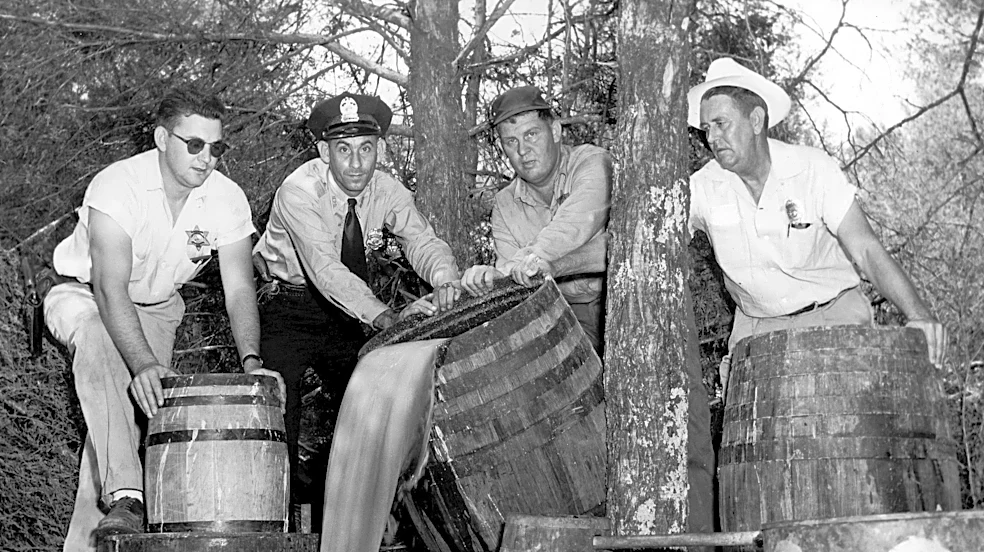
To help pay for the Revolutionary War, Congress taxed distilled spirits – the first nationwide internal revenue tax – beginning a long fight over the unpopular measure that included the Whiskey Rebellion of 1794.
In defending the ban, the Department of Justice points out that the tax was regularly evaded. That eventually led to laws in 1866 and 1868 prohibiting home stills, which were difficult for government inspectors to find. Before the ban, at least seven-eighths of all spirits made in the country were not being taxed, according to the government.
Today, the tax generates billions of dollars in annual revenue. Home distillers can be fined $10,000 for every batch and imprisoned for up to five years.
In April, two appeals courts issued contradictory rulings about the legality of the restriction.
The Cincinnati-based 6th U.S. Circuit Court of Appeals upheld the law under the clause of the Constitution that allows Congress to pass laws that are “necessary and proper” to carry out its assigned duties.
The ban, the court said, was needed to collect taxes when it was passed, “and we have no reason to conclude otherwise now.”
When it comes to “liquor and taxes alike,” the court said, “human nature remains decidedly unchanged.”

But the Louisiana-based 5th U.S. Circuit Court of Appeals said the ban isn’t “necessary and proper” for tax collection because it actually reduces revenue by prohibiting the conduct the government wants to tax.
And if home distilling can be banned, the appeals court also said, nothing would stop Congress from prohibiting any home-based business through its taxing power.
“Remote work may be deemed a crime,” the court said.
The would-be home brewers who challenged the law include John Ream, an Ohio engineer who crafts his own wine and mead and wants to experiment with spirits.
“I really want to dive in and play with some rye mash for distilling into whiskey,” Ream told USA TODAY. “There’s the challenge to it. There’s also the satisfaction of having something that you made for yourself.”

The Texas challengers include Rick Morris, who started the Hobby Distillers Association in 2013 to try to change the law. He said making distilled spirits feels like the natural next step to many hobbyists.
“I think the same group of enthusiasts that make beer and make wine ‒ it’s those same things that drive people to want to be able to go to that next level and distill,” said Morris, the owner of a company that makes stills for commercial distilleries.
The case is expected to be argued next year with a decision issued by the end of June.
This article originally appeared on USA TODAY: Supreme Court will review decades-old ban on distilling liquor at home