


Curtis Pride, sitting in his South Florida home, starts to become emotional talking about the significance, and impact it would make on generations of kids with hearing loss.
He’s talking about the late center fielder William Ellsworth “Dummy" Hoy, one of the finest players who ever played the game.
He was deaf, just like Pride.
With September being Deaf Awareness Month, a petition is being launched this week to get Hoy into the Hall of Fame when he’s eligible to be on the era committee ballot in 2027.
The slogan: “He played 14 seasons in silence. The game still speaks his language."
“I feel that Dummy Hoy should have already been in the Hall of Fame," Pride tells USA TODAY Sports, “not only because of the contributions he’s made, but looking at his
stats compared to other guys that were in the Hall of Fame in the early 1900s. It was amazing what he has accomplished.
“But to have someone with a hearing disability making it to the Hall of Fame, it would mean everything."
Certainly, Hoy’s 14-year career from 1882-1904 doesn’t jump off the page statistically with this .288 batting average, 2,048 hits and 596 stolen bases, although he played more games in center field with more career putouts than any player when he retired, but the impact he made still reverberates today.
It was Hoy’s presence that prompted umpires to use hand signals on ball, strike and safe calls. Just six years after Hoy retired in 1906, umpires were required to use visible hand signals so that everyone on the field, and fans in the stands, could understand the calls.
Nearly a century later, pitchers and catchers started putting their hands over their mouths when talking strategy on the mound, started by Hall of Famer Greg Maddux, knowing that Pride could read lips.
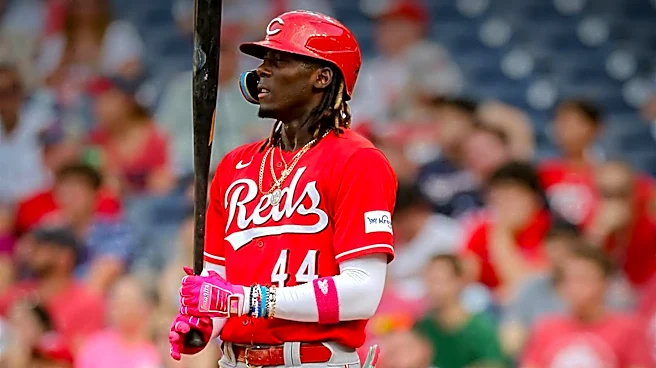
Now, after the Cincinnati Reds had Dummy Hoy Day this season, with Hall of Fame broadcaster Marty Brennaman helping lead the charge, they are campaigning for Hoy to be on the ballot to make people aware that he was a pioneer for players overcoming disabilities, whether it was Jim Abbott who had one arm or deaf players like Pride.
“When I first heard about Dummy Hoy, I thought how can this story, which is so important to baseball, still be unknown," said Shawn Ullman, president of the Sign For Hoy campaign. “The campaign started because we saw an enormous gap between how important Dummy Hoy’s story is and how few people know about it.
“When you go to any MLB stadium or a college game or even a Little League game, no one knows who Dummy Hoy is. So, we felt like there was a huge opportunity to tell his story that’s been overlooked for more than a century and give it a platform and the attention and cultural relevance that it deserves. We believe Dummy Hoy’s story would inspire a whole new generation of baseball players of what is possible."
Certainly, he became an inspiration for Pride once he learned his story early in his minor league career. Pride played parts of 11 seasons in the major leagues, and continues to be a role model with mail still trickling in from kids who are deaf, or have disabilities, letting them know anything is possible.
“I tell people that no matter what kind of disability you have," Pride says, “we should not let those disabilities stop us from pursuing and achieving your dreams and goals. As long as they believe in themselves, they work hard, they should not worry about what other people think or say about them. I refuse to allow other people plant limitations on me."
'Why not me?'
When Pride, who was deaf from birth, learned about Hoy in the minor leagues, it only motivated him even more, believing that if Hoy’s accomplishments should be celebrated with a Hall of Fame induction.
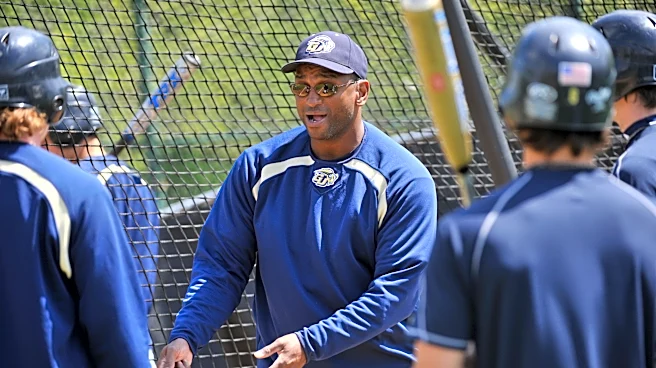
“It’s amazing what what he accomplished not being able to talk, and then playing at the highest level,’’ said Pride, who was the head baseball coach at Gallaudet University, a school for deaf students, and also appointed to the President’s Council of Fitness, Sports and Nutrition under president Barack Obama. Pride, 57, now coaches part-time with the Louisville Slugger Warriors, an amputee and limb-difference baseball team comprised mostly of former and current military members.
“For me growing up," Pride says, “I never had a role model. There was no deaf or hard of hearing role model for me growing up. And for me to hear about him, and what he was able to accomplish with his hearing disability, I was like, 'Well, why not me?’"
So, yes, why not Hoy?
“This would mean so much to the deaf community to be represented and have a deaf player in the Hall of Fame,’’ says Brenda Linkhous, co-CEO Deafinitely For All Entertainment. “I think it would be amazing for just the role model he was and the impact he’s had on baseball."
Says Ullman: “I can’t think of another player who’s contributed so much to the game. He checks off all of the boxes of the qualifications for the Hall of Fame. Just like Jackie Robinson broke the color barrier. Dummy Hoy broke the sound barrier."
This article originally appeared on USA TODAY: Deaf baseball trailblazer Dummy Hoy's legacy could land him in Hall of Fame