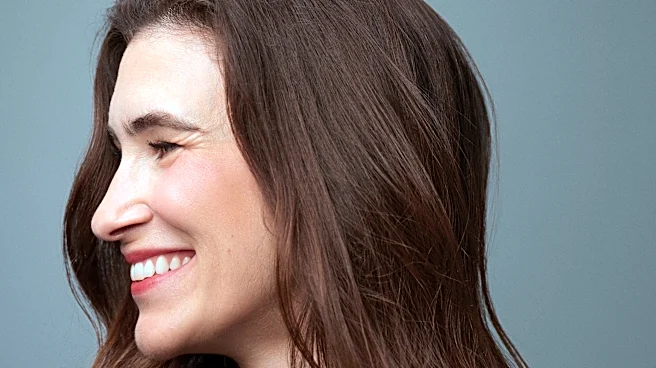








When musician Cassandra Jenkins travels the world while touring, she's always looking for a slice of home.
Jenkins said she's found that as she stays in other people's homes through a home-swap service called Kindred.
Jenkins, 42, of New York City, has stayed in hotels and vacation rentals, but says she enjoys the "homey" feeling of staying in someone's home.

"I think the nature of it is more personal and I'm really going to someone's home that they live in," she said.
Jenkins has used the Kindred service the most while she has toured Europe. Other home-swapping services include Home Exchange and Home Link, with varying stipulations and models.
Home hosting is swap currency
The model is a "give to get" one, where members have to offer up their own home to earn credits to use
elsewhere. It's a one-to-one swap credit, which means a one-bedroom apartment in New York City is the same credit as a five-bedroom house in San Francisco.
"We wanted it to be really simple and acknowledge the fact that if you're letting someone stay in your real home where all of your stuff is, that is an act of generosity that should be rewarded, whether you have a studio apartment or a three-bedroom home," explained Justine Palefsky, CEO and co-founder of Kindred.
The platform, which started in 2022, now has 500,000 members in 150 cities globally. About 15% of the trips booked on Kindred are what are called reciprocal swaps, which are two people who are actually swapping homes at the same time. The more common way to use the service, said Palefsky, is to earn credits hosting someone in your home while you are gone and using those credits to stay somewhere when you are traveling.
There's no fee to sign up. Members pay on average a $200 service fee and a $300 cleaning fee for a five-day trip within the United States or a $175 service fee and $200 cleaning fee in London. Members use their swap credits to "pay" for the number of nights they are staying. Members earn one night's credit for each night they host a guest in their home.
Kindred offers a program called Kindred Passport for frequent travelers to save on some fees. The program is $600 a year and provides $0 service fees on every trip for the 12-month membership period.
The model is particularly helpful now as travelers are contending with tighter budgets, Palefsky said.
"There's a huge appetite for folks who want to live this lifestyle that's richer in travel, but are struggling for a way to pull it off with the affordability crisis that we're in," she said.
Finding use for home for others when traveling
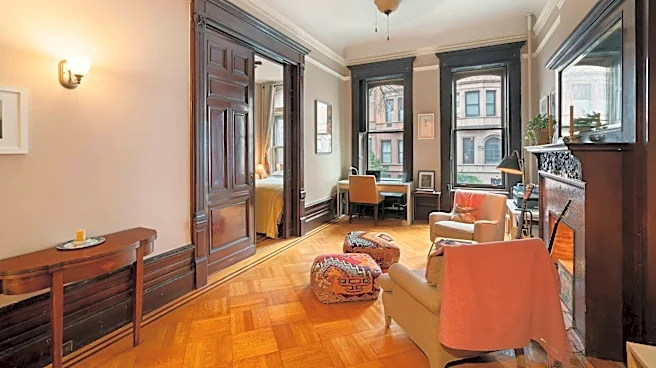
Jenkins has hosted Kindred members several times at her New York City apartment, part of a building owned by her family, with several family members living in various units. Growing up in a family of musicians, Jenkins said she's also used to hosting other musicians in her family's home.
The first time she hosted another guest at her New York City apartment, she knew she was going to be gone for a month on tour. She didn't like the idea of her apartment sitting empty. The woman who ended up using Jenkins' apartment was a fellow New Yorker who was looking for a cozy place to go through treatments to undergo In Vitro fertilization and freeze her eggs.
"I was touched by that and warmed by that, and loved that someone found my space and thought it would be a beautiful place to be during that important time," Jenkins said.
The two women connected because Jenkins was also planning to do IVF, she said.
Jenkins said she also likes the sustainability of opening up her home while she is away for someone else to use it.
"I always felt like when I left my home empty that it was a waste," she said.
Prospective members go through a verification process and must apply using their own primary home, according to Kindred. Homes also go through an online acceptance process to confirm they're safe and guests and hosts have a damage protection program that covers up to $100,000 in accidental damage.
Home swappers should check with their renters' or home insurance to see if coverage extends to hosting guests.
Tasia Hawkins, a New Yorker who works in social impact, has also used the Kindred platform for her travels.
Hawkins likes to get away from New York City each winter, so she is usually looking for longer stays in other cities. She's hosted in her former apartment 32 times and has used some of those credits to stay in San Diego.
Some criticisms of home-swapping services like Kindred from users online include the lack of availability for a home swap for an intended trip. Kindred said a few options to help with that challenge include setting up a travel wish list for destinations, having flexible swap options and connecting via Kindred's Circles communities, which are sub-communities that are built around shared interests and experiences.
Some online users of home-swapping services may also dislike the clutter of someone's belongings or the lack of amenities available at a hotel.
But the "homey" feel and the camaraderie of connecting with the home swapper, who often gives recommendations to live like a local, is what sets the experience apart for Hawkins.
"I really appreciate getting to immerse myself in a community if I'm going to go there and also be able to get the local business recommendations from someone who lives there and be able to support neighborhoods I might not otherwise stay in," she said.
For longer-term stays, Hawkins said she estimates she's saved $1,000 per trip using the swap model instead of paying nightly for a hotel or vacation rental.
Betty Lin-Fisher is a consumer reporter for USA TODAY. Reach her at blinfisher@USATODAY.com or follow her on X, Facebook or Instagram @blinfisher and @blinfisher.bsky.social on Bluesky. Sign up for our free The Daily Money newsletter, which breaks down complex consumer and financial news. Subscribe here.
This article originally appeared on USA TODAY: Travelers are swapping homes instead of booking hotels. Here's why