




This article discusses suicide and suicidal ideation. If you or someone you know is struggling or in crisis, help is available. Call or text 988 or chat at 988lifeline.org.
The Lindsay Clancy trial may be headed for a mistrial if jurors remain deadlocked in the Massachusetts mother’s murder trial.
After more than 17 hours of deliberations, jurors indicated that they had been unable to reach a unanimous verdict on Sept. 1. Although Judge William Sullivan urged them to continue trying, it remains to be seen whether the high-profile trial will return a verdict.
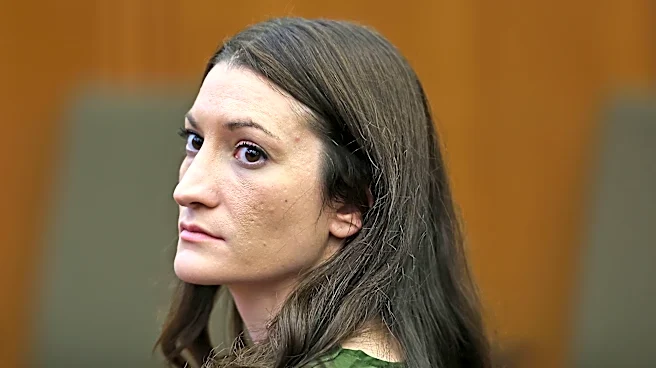
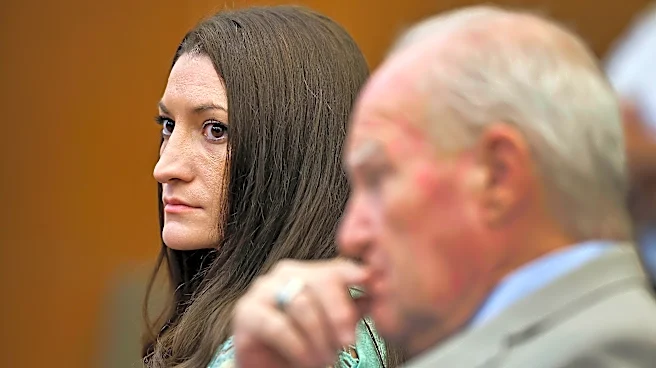
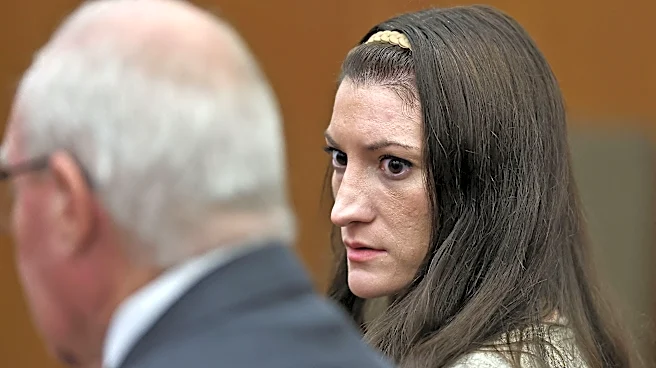
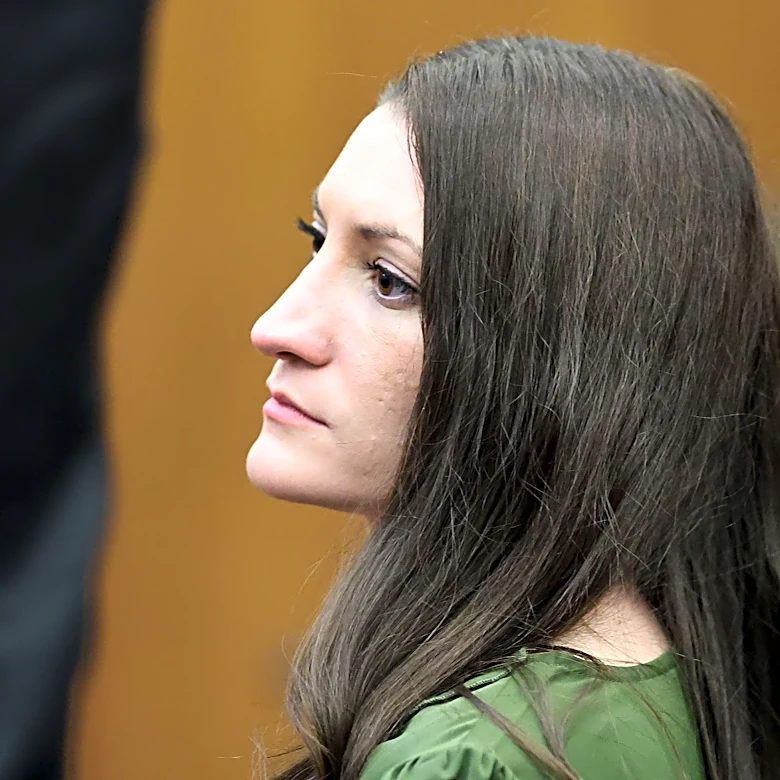
Clancy, 36, is facing three counts of murder for the January 2023 strangulation deaths of her three children – Cora, 5, Dawson, 3, and Callan, 8 months. She has pleaded not guilty.
Prosecutors
allege Clancy planned the killings at the family’s Duxbury, Massachusetts, home by sending her husband on errands then strangling the children with exercise bands while he was gone. Afterward, she cut her wrists and neck and jumped out of a second-story window, leaving her paralyzed.
Clancy is arguing that she is not guilty by lack of criminal responsibility because she was suffering from postpartum depression and psychosis – more commonly known as an insanity defense. Her attorney, Kevin Reddington, said that Clancy heard a voice telling her to kill her children.
When would a hung jury be declared in Lindsay Clancy case?
If the jury returns a second time and says they are still deadlocked, Sullivan may issue what’s called a Tuey-Rodriguez instruction, according to Daniel Medwed, a professor of law and criminal justice at Northeastern University. Medwed said the message is sometimes called a "dynamite instruction" because it contains forceful language intended to break the deadlock.
"It really is designed to encourage the jury to take one last look at things and really try," Medwed said.
Sullivan can push to continue sending the jury back into deliberations as many times as he wants, but the sequence of events – including whether to invoke the Tuey-Rodriguez instruction – is typically judge-specific, said Shira Diner, a lecturer at Boston University School of Law.
Massachusetts law indicates that if a jury returns for a second time without a unanimous decision, they cannot be sent back into deliberations without giving their consent. But Diner said the law is a "nuclear option" for jurors if they outright refuse to continue deliberating.
"The judge can't actually continue to force them to (deliberate)," Diner said. "That's why they have the consent language. But usually what happens is that, if the judge is asking the jury to go back, the jury will agree to go back and they do go back."
Each time the jury comes back undecided, the lawyers on both sides also have an opportunity to discuss with the judge what they want to do. The judge can also decide whether he wants to take a more active role in questioning jurors about the sticking points, Diner said.
But generally, judges prefer to let the juries "work it out," Diner said.

What happens next if there is a mistrial?
If the jury cannot come to a unanimous consensus about Clancy’s guilt, the judge will declare a mistrial. Prosecutors will then have to decide whether to retry Clancy in front of a new jury.
"This is one of these cases where that’s the likely outcome," Medwed said.
That’s what happened after the first trial of Karen Read over the death of her boyfriend, Boston police officer John O’Keefe, ended due to a hung jury. Despite being read the Tuey-Rodriguez charge, the jury remained deadlocked and Judge Beverly Cannone declared a mistrial in July 2024.
Prosecutors opted to retry Read, and she was acquitted of the most serious charges, second-degree murder and leaving the scene of a collision resulting in death, in June 2025.
"It’s often said that prosecutors have an advantage in retrials, but I also think the defense has certain benefits too, because they’ve had a sneak peek into the government’s case," Medwed said.
Jury said it was deadlocked on fourth day of deliberations
After more than 17 hours of deliberations over the course of about four days, the jury said it was deadlocked.
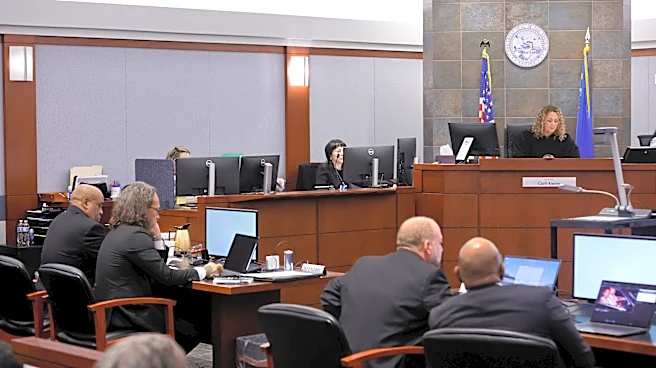
The jury notified Sullivan that they had a question after 10 a.m. ET on Sept. 1. Sullivan then called the jurors and both parties back into the courtroom, where he read a note from the group of nine women and three men saying they have been unable to come to a unanimous decision.
Sullivan urged the jurors to continue deliberating, citing the extensive evidence they have to review.
"I brought you back out because I know that this was a long trial. I know there were over 80 witnesses, there were over 300 exhibits, but because of that, I'm gonna ask you to go back out, keeping in mind all of the instructions I gave you, to go out and to continue your deliberations at this time," he said.
This article originally appeared on USA TODAY: Lindsay Clancy jury is deadlocked. What happens now?