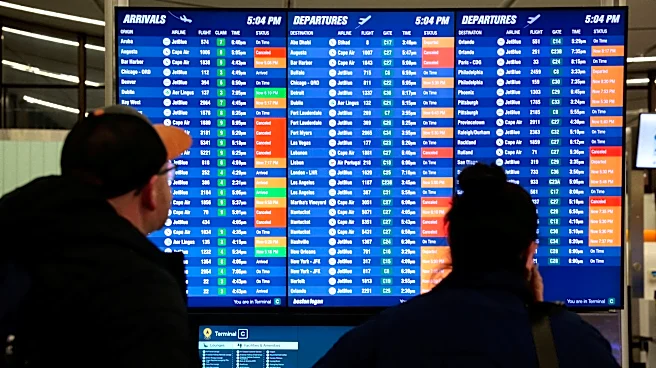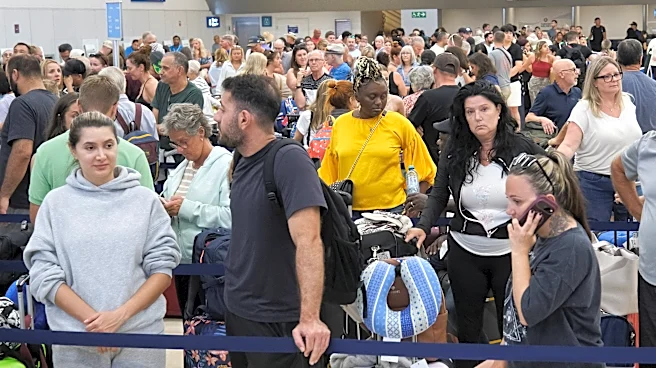




Tis the season for flight disruptions.
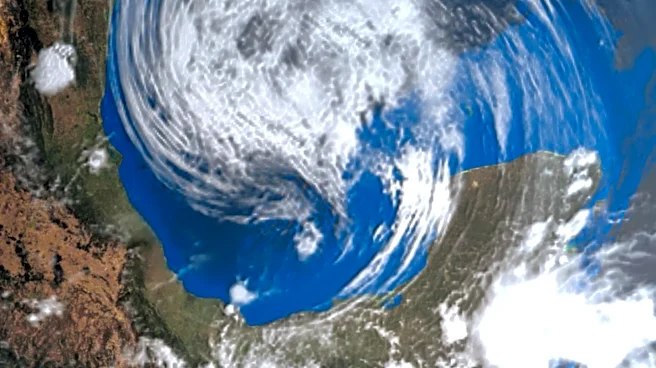
Winter doesn't officially begin until Dec. 21, but parts of the U.S. have already gotten their first taste of wintry weather. El Niño is expected to dampen some forecasts, but AccuWeather meteorologist Brandon Buckingham told USA TODAY by email that "an active winter is expected across California and the central and southern Rockies in terms of snowfall" and there may also be "impactful weather across the southern tier of the United States."
Dicey weather in any region can have ripple effects on air travel across the country, as we've seen time and time again.
Airlines don't owe travelers anything for weather-related delays but there are other occasions in which refunds or other compensation are in order.
Here's what to know if you're flying this fall and winter.
How long does the flight have to be delayed to get compensation?
The Department of Transportation defines a significant delay as departing or arriving three or more hours late for a domestic flight, or six or more hours late for an international flight.
Only controllable delays are eligible for compensation.

What's considered a controllable delay?
As it's name suggests, a controllable delay is considered to be within the airline's control.
For now, that broadly includes delays due to maintenance, crew or staffing issues, cabin cleaning, baggage loading and fueling.
However, new DOT rules taking effect next February will exclude certain scenarios from being categorized as controllable and eligible for compensation.
What flight disruptions will no longer be considered controllable?
The following 10 events will no longer be considered within carrier control effective Feb. 1, as published in the Federal Registrar.
- Aircraft cleaning necessitated by the death of a passenger
- Aircraft damage caused by extreme weather, foreign object debris, or sabotage
- A baggage or cargo loading delay caused by an outage of a bag system not controlled by a carrier or its contractor
- Cybersecurity attacks (provided that the air carrier is in compliance with applicable cybersecurity regulations)
- A shutdown or system failure of government systems that directly affects the ability of an air carrier to conduct flights safely and is unexpected
- Overheated brakes due to a safety incident resulting in the use of emergency procedures
- Unscheduled maintenance, including in response to an airworthiness directive, manifesting outside a scheduled maintenance program that cannot be deferred or must be addressed before flight
- An emergency that required medical attention through no fault of the carrier
- The removal of an unruly passenger
- An airport closure due to the presence of volcanic ash, wind, or wind shear
Do airlines pay compensation for a delayed flight?
U.S. airlines don't offer cash compensation for flights originating in the U.S., but they may be subject to other requirements for flights in originating in the European Union and elsewhere.
Within the U.S., you're entitled to a refund if your flight is significantly delayed for a reason within the airline's control (or canceled for any reason) and you choose to no longer fly.
If you decide to wait it out, you may be entitled to accommodations like fee-free rebooking, overnight lodging and meal credits.
You can find airline-specific details on the DOT's airline cancellation and delay dashboard as well as each airline's website.
What to do if your flight is delayed
Get in touch with the airline anyway you can – in person at the airport, on the phone, through their app or on social media.
While you're waiting, pull up the DOT dashboard to see what you're entitled to, based on what the airline has already committed to.
Once you get through, find out why your flight is delayed, so you can request appropriate accommodations.
Travelers should also note that just because an airline hasn't previously committed to a blanket accomodation, it doesn't mean it won't offer it on a case-by-case basis, so it doesn't hurt to ask.
Save receipts for any necessary expenses related to the delay in case you need to file a claim with the airline or travel insurance later. Some credit cards also offer built-in benefits for waylaid travelers, as long as they used the card to purchase their flight.
Contributing: Zach Wichter
This article originally appeared on USA TODAY: How delayed must your flight be to get a refund? What to know