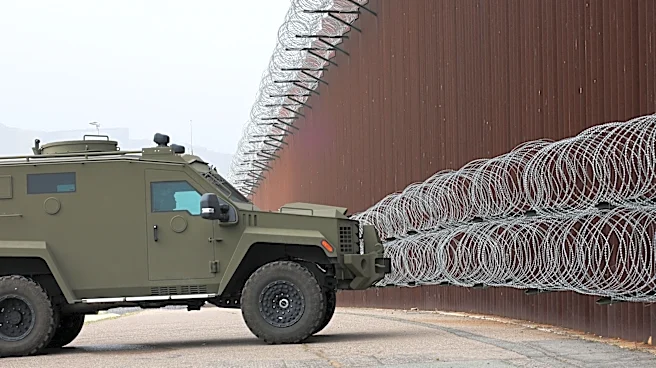




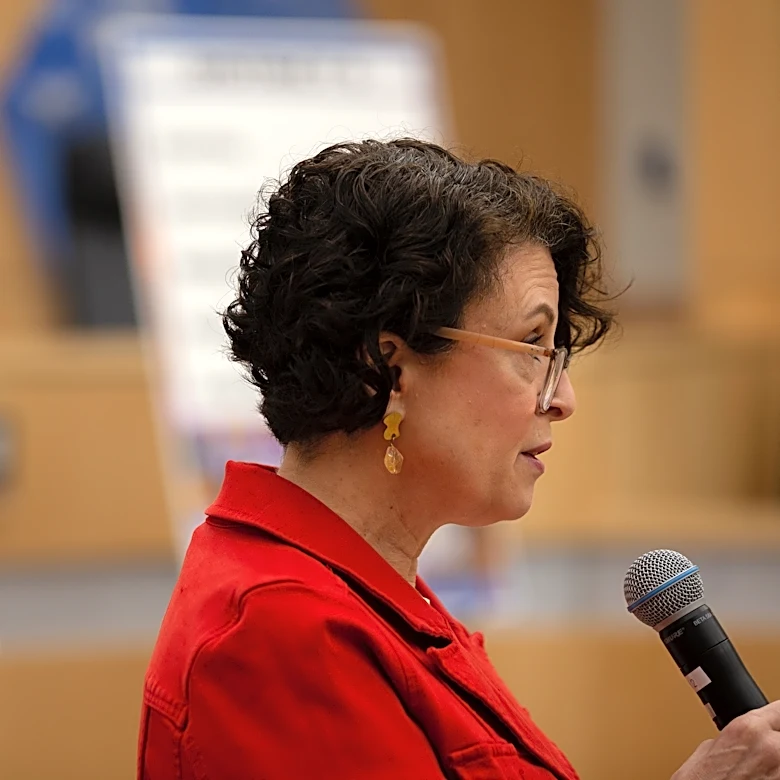
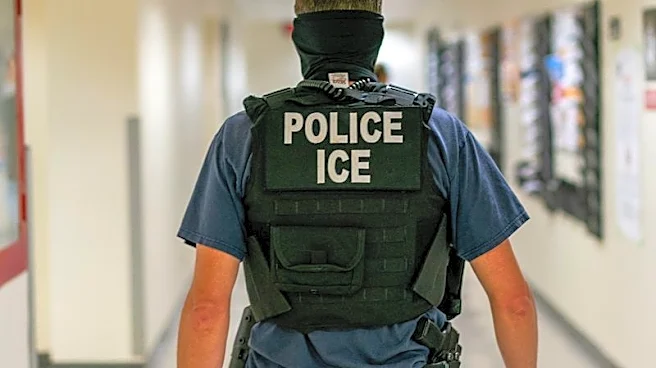


Two agencies under the Department of Homeland Security will no longer be able to use San Diego County’s facilities for firearms training, a move that’s sparked debate about increased wait times at border crossings and economic harm for the region. It’s part of a wider effort to make residents feel safe and strengthen trust in local government as immigration enforcement
has ramped up under the Trump administration.The San Diego County Board of Supervisors will end license agreements with Immigration and Customs Enforcement and Customs and Border Protection’s San Diego Field Office for their use of two facilities, which are either owned or leased by the county, according to a board letter. The motion passed in a 3-2 vote on Aug. 18.
Chair Pro Tem
Paloma Aguirre said this is about more than a $100,000 contract — use of one San Diego training center brings an estimated $126,780 in federal revenue annually, according to a board letter.
“It’s about whether this county keeps lending its own property to the agencies our residents fear the most,” she said. “The federal government can’t terrorize our families all week and rent our firing range on the weekend.”
However, San Diego County Sheriff Kelly Martinez said she’ll continue to allow CBP to use one of the facilities from which these officers are poised to be cut off.
What is changing? Firearms training at county facilities cut, sheriff intervenes
The county will terminate its 2021 license agreement with ICE and its 2017 license agreement with CBP for use of the San Diego Regional Firearms Training Center in San Diego. Also on the chopping block is a 2022 license agreement with ICE for the use of a firing range at Marine Corps Air Station Miramar, according to a board letter.
However, the county sheriff is intervening.
CBP will be allowed to use one facility — the San Diego Regional Firearms Training Center — David Collins, San Diego County Sheriff media relations director, confirmed with the USA TODAY Network.
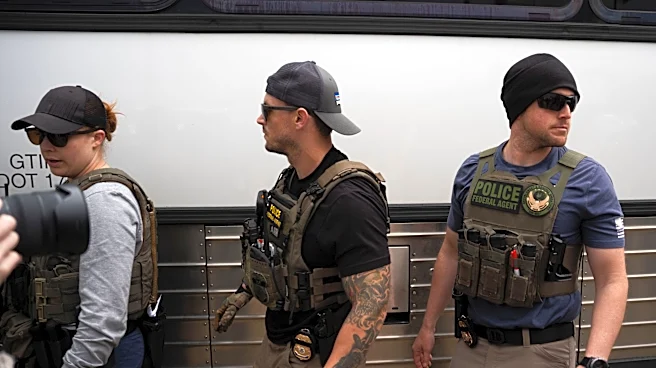
The CBP San Diego Field Office “relies solely” on this facility for its firearms training and mandatory firearms qualifications for approximately 1,700 officers assigned to ports of entry in San Diego County, CBP Commissioner Rodney S. Scott said in an emailed statement to the USA TODAY Network.
Scott said that CBP has partnered with the county and used this facility “for decades.”
Opponents of decision raise concerns about the border
CBP officers will be sent outside the region to complete mandatory training and certification because the license agreement has been terminated, Scott said. Local ports face “an immediate reduction in deployable staffing” that’ll lead to increased wait times across ports of entry in the region, according to Scott.
The commissioner said operational impacts include lane closures, the closure of SENTRI enrollment offices, the closure of the San Ysidro Pedestrian West facility, and more.
“International ports of entry are economic engines,” Scott said in a statement. “The San Diego County Board of Supervisors is poised to slam on the brakes at all San Diego County ports for political reasons.”
It in part echoes the sentiments of Martinez, San Diego County sheriff, who also pointed to increased wait times at the border in a news release on Aug. 18. The sheriff said that CBP officers need to complete their training quickly so they can return to their duties at ports of entry.
Chair Terra Lawson-Remer pointed out the billions in federal dollars going to CBP. She said it’s mind-boggling that a contract at a San Diego County training facility could be the “lynchpin for a multi-billion dollar cross-border operation.” She called it a “distraction from the real issue.”
“It is immoral and unconscionable for us to support the training of individuals” using county facilities “to train to shoot unarmed civilians who are in fear of their lives” in San Diego County and nationwide, Lawson-Remer said.
Lawson-Remer said she’d be happy to continue discussing how they can advocate at the federal level to ensure appropriate staffing at all their ports of entry.
“It seems a little like we’re trying to kill a whale with a bow and arrow to try to think that we’re going to address border wait times or that the border wait time issue is primarily being determined by the use of a county facility — that seems a little bit disproportionate,” Lawson-Remer said.

Lines at the border aren’t caused by a firing range, Aguirre said, adding that during the previous weekend, wait times were eight hours at any regular lane.
“There’s more than enough resources for CBP, for ports of entry, to open all the available physical lanes that are already in place to ensure that our cross-border economy continues to thrive,” she said.
Law enforcement agencies should be working and training together, according to Supervisor Jim Desmond.
“Our facilities are not just shooting ranges. It’s not just guns,” Desmond said. “They also have classrooms. They have simulation rooms. They have tactic trainings to how to deescalate.”
Paris Barraza is a reporter covering Los Angeles and Southern California for the USA TODAY Network. Reach her at pbarraza@usatodayco.com.
This article originally appeared on USA TODAY: ICE, CBP training changes will hurt the border in SoCal, officials say