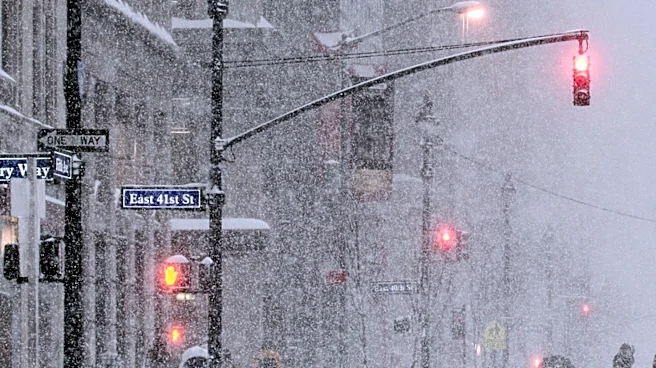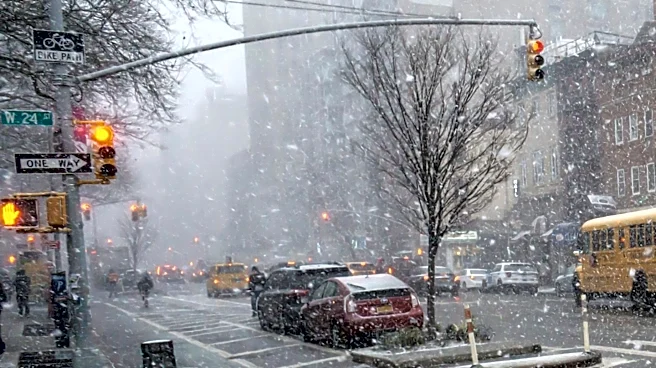









Freezing temperatures and the season's first snowflakes are expected across the Northeast and Midwest by the end of the week, so homeowners may need to dig out their snow shovels to prepare for winter.
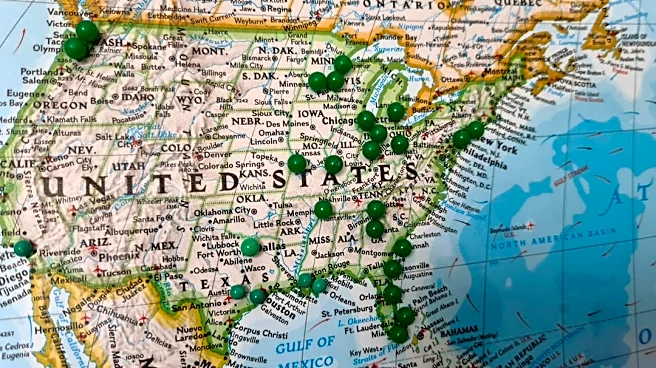
Snow accumulation is expected from the mountains of northern New England to upstate New York and the Appalachians, Weather.com meteorologist Rob Shackelford said. Much of the eastern United States is expected to see the season's lowest temperatures so far, and lake-effect snow is expected over the Great Lakes.
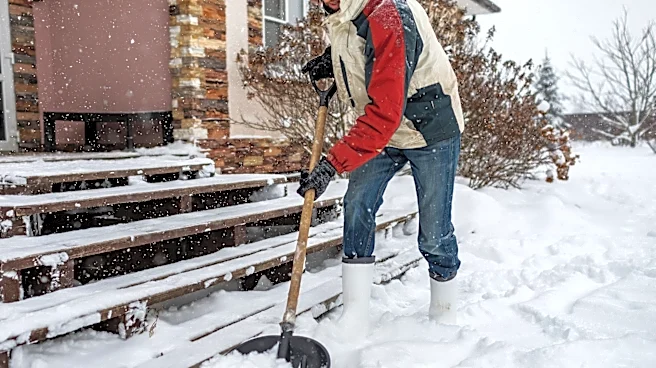
While shoveling snow may sound like a common yardwork chore to some, it can be dangerous, and even fatal for those who do not exercise regularly and/or have pre-existing heart conditions.
Between 1990 and 2006, nearly 200,000 adults were treated
in emergency rooms for snow-shovel-related incidents, with more than 1,600 deaths reported in that time, according to the American Journal of Emergency Medicine.
With winter weather on the way, experts share recommendations to keep your body in shape while you do yardwork.
How old is too old to shovel snow?
Recommendations for an exact age to retire from snow shoveling vary widely.
Dr. John Osborne, an American Heart Association (AHA) volunteer, said adults 65 and older should be "more wary" of snow shoveling. Individuals with a higher risk for heart disease, such as tobacco use, diabetes, obesity, hypertension or high cholesterol, should be extra mindful.
Osborne pointed to a 2025 study which found that cold-related deaths are roughly double the rate of heat-related cardiovascular events (65% to 35%), especially in men over 65.
Dr. Barry Franklin, a former AHA volunteer, previously advised a younger age cutoff: 45. This recommendation is backed by a 2001 study that found that about 85% of adults over 50 already experience atherosclerosis, which can lead to coronary artery disease.

How does snow shoveling strain the heart?
According to an AHA news release, there are five main stressors on the heart when shoveling snow:
- Snow shoveling involves mostly isometric or static exertion that contracts muscles without movement in the surrounding joints.
- Shoveling snow requires arm work, which is more taxing on the heart than leg work.
- Straining the body while lifting heavy loads, during which most people unknowingly hold their breath, increases heart rate and blood pressure.
- Lack of leg movement or prolonged periods of sitting can cause blood to pool in the lower body, meaning less blood returns to the heart to be reoxygenated.
- Cold air can constrict blood vessels, disproportionately raising blood pressure and constricting coronary arteries.
What are common symptoms of a cardiac event?
Common symptoms of a cardiac event, like a heart attack, include chest pain or pressure, lightheadedness, heart palpitations and irregular heart rhythms, according to the AHA.
If you experience any of these symptoms while doing yard work, stop. If the symptoms don't stop immediately, call 911.
How to reduce injury while snow shoveling
If you must do the yardwork yourself, the AHA advises the following:
- Start gradually and pace yourself.
- Cover your mouth and nose and wear layered clothing, including a hat and gloves.
- Push or sweep the snow rather than lifting and throwing it.
- Be careful when the wind is blowing. Heavy winds can make the temperature feel colder and increase how cold affects your body.
Franklin also recommended using a snow blower instead of a shovel. He said using a snow blower raises the heart rate to roughly 120 beats per minute, compared to about 170 beats per minute while shoveling.
Greta Cross is a national trending reporter at USA TODAY. Story idea? Email her at gcross@usatoday.com.
This article originally appeared on USA TODAY: How old is too old to shovel snow? See suggested ages, health risks