




María Corina Machado, the Venezuelan opposition leader and Nobel Peace Prize laureate, announced Oct. 25 that she returned home after more than 10 months in exile, which could reshape the ongoing political transition in the South American country.
"Estoy aquí. Con ustedes," she wrote on X, which translates to "I’m here. With you."
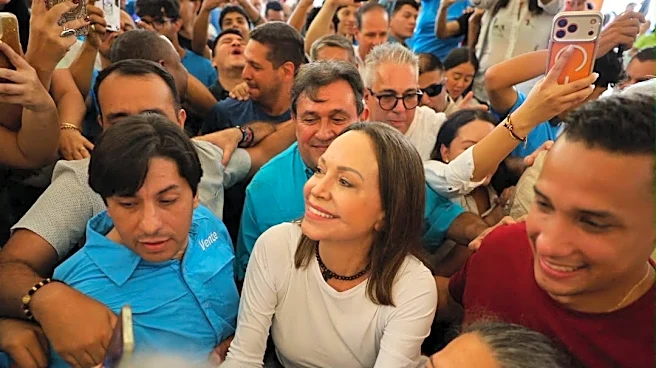
She gave no details about how she entered the country. But within hours, videos on social media showed her at the church of Santa Rosa in Barquisimeto, in the western state of Lara, where her party said she had gone to give thanks to the Divina Pastora, one of Venezuela’s most revered images of the Virgin Mary. Crowds pressed in around her, chanting her name.
Edmundo González Urrutia, who ran in Machado’s place in the
2024 presidential election and whom the opposition and several countries including the United States recognized as its winner, confirmed her return on X.
"Today is a very important day for Venezuelans," he wrote on social media. "Our sovereign voice returns with her to lead and guide this process!" González Urrutia, who fled Venezuela in 2024 following threats of arrest, said he would join her soon.

On Oct. 25, following the news of her arrival to Venezuela, President Donald Trump told reporters, "I hope she's safe. She's a very nice woman."
Secretary of State Marco Rubio said on X that her safe return was "the direct result of the U.S. supported reconciliation talks which has already seen hundreds of political prisoners freed and hundreds of political opposition figures return from exile."
"The United States expects the freedoms of all sectors of Venezuelan politics to continue to be respected," Rubio wrote. "Likewise, we expect all political actors to support these talks."
The Venezuela that Machado has come home to is not the one she left. In the months since she slipped out of the country, the United States, the ally she had courted for years, removed Nicolás Maduro from power in a military raid and then chose to work with his longtime deputy. The transition that followed has been negotiated largely without her. And in June, two powerful earthquakes battered a nation already worn down by decades of political and economic crisis.
For Machado, the return closes a long and costly chapter. In 2023 she won the opposition’s presidential primary, only for Maduro’s government to bar her from the ballot. She threw her support behind González Urrutia, a little-known former diplomat, and after the July 2024 election the opposition published voting tallies that showed he had won decisively. Electoral authorities declared Maduro the victor anyway, a result rejected by the United States and international observers.
Briefly detained after a protest in January 2025, Machado went into hiding inside the country and stayed there for 11 months. In December she escaped in secret and resurfaced in Oslo, where she was awarded the Nobel Peace Prize for her challenge to Maduro’s authoritarian rule. She promised then that she would go back.
Weeks later, U.S. forces captured Maduro in Caracas and flew him to New York to face drug trafficking charges. Trump then threw his support behind Delcy Rodríguez, Maduro’s vice president, who became acting president.
Within hours of the raid, Trump said Machado lacked the support and respect within the country to lead it. She had spent years cultivating channels with him and Rubio, and days later she visited the White House and presented Trump with her Nobel medal.

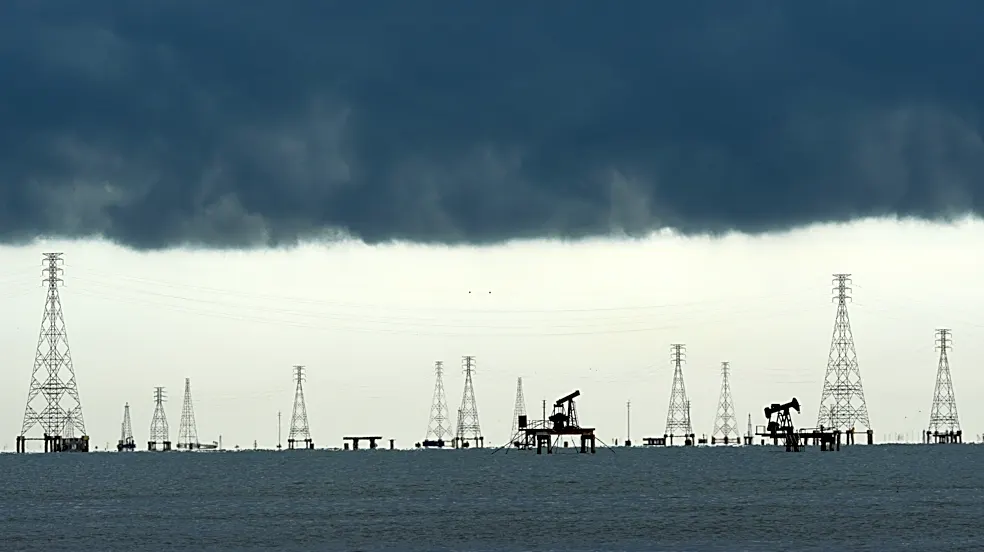
Rodríguez has since met nearly every demand from Washington, opening the oil sector to American companies, restoring diplomatic ties and freeing hundreds of political prisoners. Yet the change has been uneven. More than 300 people remain jailed on political grounds, according to the rights group Foro Penal, and power outages have grown longer and more frequent, stirring protests in the streets.
The U.S.-backed negotiations over the country's future between Rodríguez's government and several opposition figures, meanwhile, have carried on without Machado and González Urrutia.
Machado's efforts to return met several obstacles. Pedro Urruchurtu, one of her aides, said she tried seven times in recent months, by air, by sea and over land.
"Every attempt has been blocked, denying the leader of all Venezuelans a return to her own country," Urruchurtu wrote on X in September.
In June, after the earthquakes, she set out to help with recovery efforts but said the government kept her out by closing its airspace. In September, while Rodríguez was in New York for the United Nations General Assembly, she was turned back three times in a single day, her senior adviser David Smolansky said in a statement at the time. A plane meant to carry her to Curaçao or Aruba, where a boat was waiting to ferry her across, was denied permission to land, and a charter company canceled another crossing hours before departure, saying its vessel was unfit to sail, according to Machado's team.
"I did not tell her to not go back," Trump told reporters in July. In Athens this month, Rubio dismissed reports by the Wall Street Journal and international news outlets that the United States had asked other countries to keep her out, saying Washington had never asked anyone to deny entry. Administration officials have acknowledged advising her at times to stay away for her own safety, and Bloomberg reported that Rubio and others had privately urged her to wait so as not to unsettle the transition.
The government in Caracas, for its part, made little secret of its hostility. Rodríguez warned earlier this year that Machado would have to answer to Venezuela for backing sanctions and U.S. pressure, and Interior Minister Diosdado Cabello taunted her on television, saying a "surprise" awaited her if she came home.
Machado now returns to a country whose political future remains unsettled. Rodríguez has stayed on beyond the period she was authorized by the Venezuelan constitution to serve as acting president, and with U.S. officials pressing for economic stabilization first, no election has been scheduled. Machado wants a presidential vote by July 2027 and has proposed July 24, the birthday of the independence hero Simón Bolívar.
Across the country, her supporters have grown impatient.
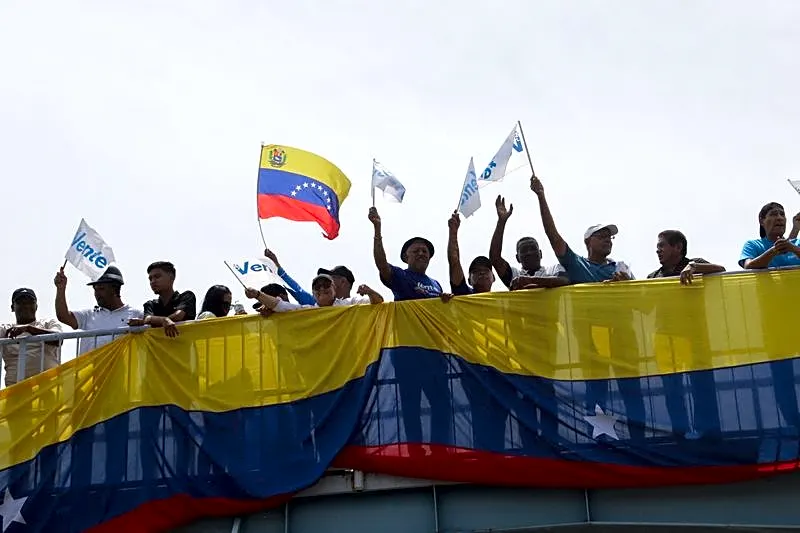
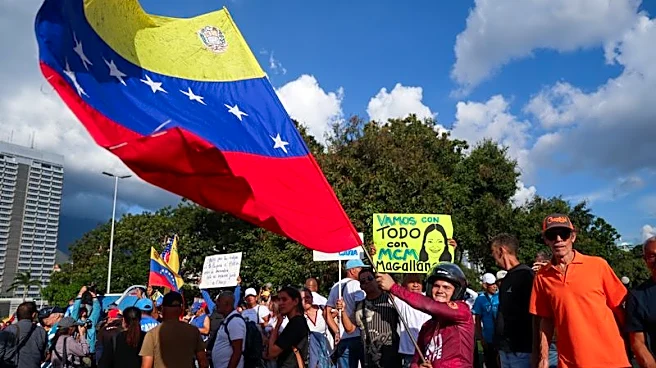
On Oct. 22, the third anniversary of the primary she won, thousands poured into the streets of Caracas, Valencia, Maracaibo and other cities in what Reuters called the first nationwide opposition protest in nearly two years. They carried her portrait and banners that read “Hasta el final,” until the end, and demanded an election date, freedom for political prisoners and her safe return.
Three days later, she was home.
This article originally appeared on USA TODAY: Venezuelan opposition leader María Corina Machado returns home from exile