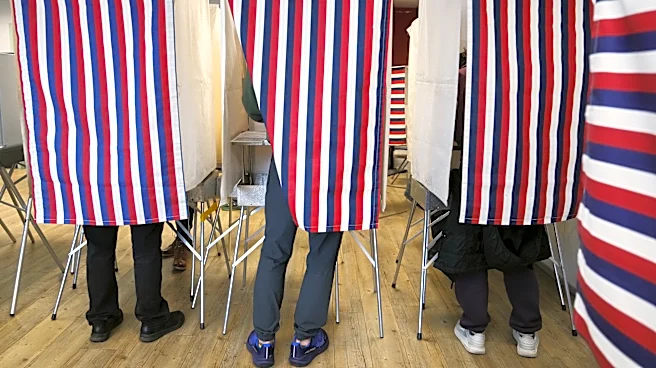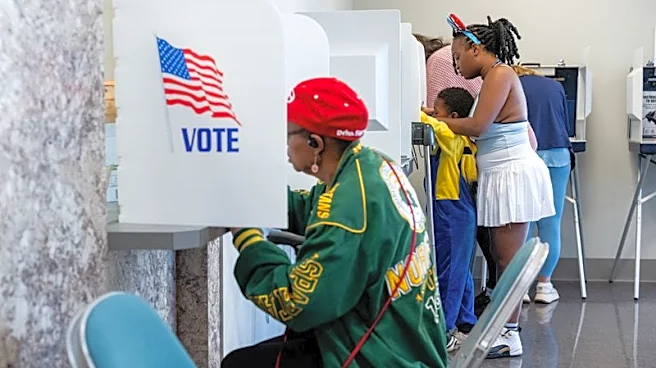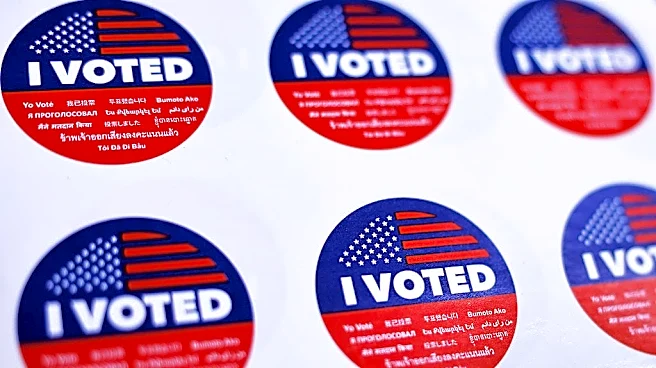


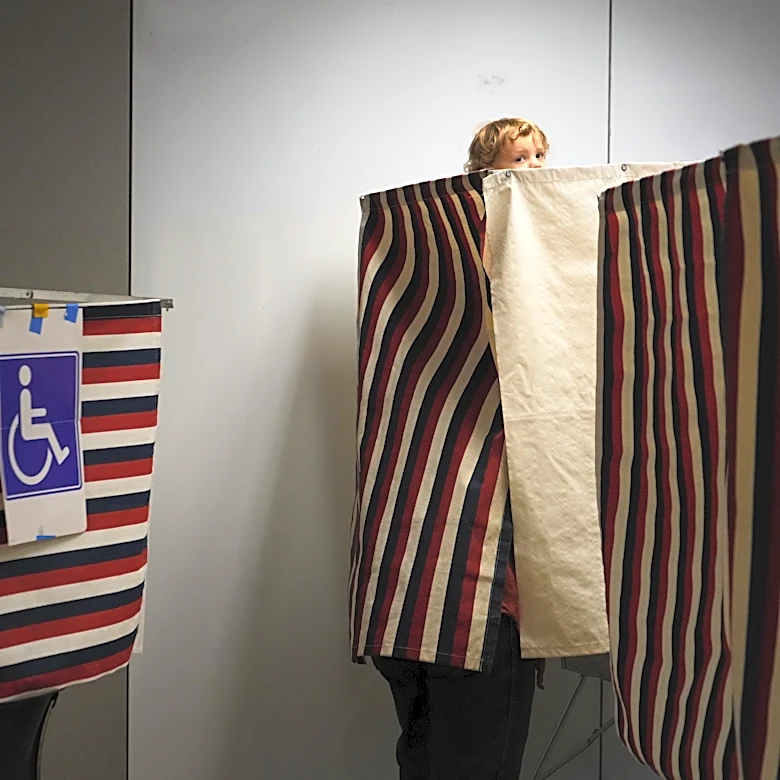
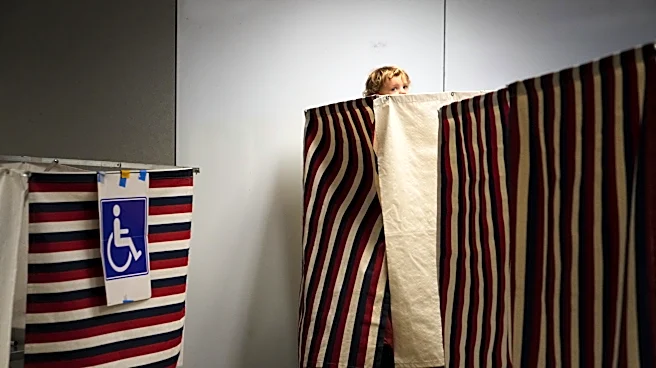

It's Election Day, but the wait for results and winners of pivotal races across the country could go deep into the night and into the week, which, contrary to what various politicians have snarked at, is completely normal.
In the lead-up to the midterm elections and in previous years, President Donald Trump has repeatedly made unsubstantiated claims that widespread fraud exists in mail-in voting. He has also raised suspicion of the speed of vote counting in certain states.
But in an interview with Politifact, Ryan Macias, an election technology and cybersecurity expert, says counting speed depends on states' own rules and laws.
“States are neither fast nor slow; they all count and certify the results in accordance with the laws passed by their
state legislature,” Macias said. “What is fast or slow is how quickly the media can collect sufficient evidence to confidently predict the winner, which is typically based on the margin of victory.”
Here is what you need to know about when midterm election results could come in.
When could race calls happen?
According to Reuters, the first calls will start soon after polls begin to close. Indiana and Kentucky will close first at 6 p.m. ET, and Georgia, South Carolina, Vermont, and Virginia will close at 7 p.m. ET. In some races, an instant call may occur if much of the voting has already taken place.
Most news outlets' calls will rely on two providers for vote counts: the Associated Press or election-data firm Decision Desk HQ.
Per Reuters, outlets like the Wall Street Journal and MS NOW will rely on the AP for race calls, while others like Fox News and CBS News will make their own projections based on the AP vote count, exit polls, early-vote totals and their own statistical modeling.
Mail-in ballots could make the wait longer
According to the Center for Election Innovation & Research, 13 of 50 states allow mail-in ballots to be received and counted after Election Day as long as they were postmarked on or before Election Day, with some, like Washington state, having a deadline as late as Nov. 23.
Here are the states that allow for these later mail-in ballots, including the latest day they can be received:
- Alaska (Nov. 13)
- California (Nov. 10)
- District of Columbia (Nov. 13)
- Illinois (Nov. 17)
- Kansas (Nov. 6)
- Maryland (Nov. 13)
- Massachusetts (Nov. 6)
- Nevada (Nov. 7)
- New Jersey (Nov. 9)
- New York (Nov. 10)
- Oregon (Nov. 10)
- Virginia (Nov. 6)
- Washington (Nov. 23)

A mishmash of counting
Beyond the various deadlines for mail-in ballots across the country, rules also vary on when states can begin processing and counting absentee and mail-in ballots.
According to the National Conference of State Legislatures (NCSL), 17 states and the U.S. Virgin Islands prohibit scanning absentee ballots until Election Day, which can delay the counting process. Of these, seven states permit scanning only after the polls close: Alabama, Alaska, Idaho, Illinois, Mississippi, New Hampshire and West Virginia.
Blue shift, red mirage
How long it takes absentee/mail-in ballots to be counted and extended deadlines have led to a phenomenon commonly known as the “blue shift” and “red mirage,” which have changed how people see results come in, sometimes having one candidate leading during the night to then be behind by the time people wake up.
Both became subjects of discussion during the 2020 election, when Election Day ballots were counted first because they were cast in person, while mail-in/absentee ballots were counted hours and days after.
Historically, Election Day voters have skewed more Republican, while Democrats have skewed more toward casting absentee/mail-in ballots.
That split can cause a Republican candidate to lead early in the night as Election Day ballots are counted, known as the "red mirage," before the gap narrows or even reverses as absentee and mail-in ballots are tabulated in a "blue shift."
Reuters contributed to this report.
Fernando Cervantes Jr. is a trending news reporter for USA TODAY. Reach him at fernando.cervantes@usatodayco.com and follow him on X @fern_cerv_.
This article originally appeared on USA TODAY: When will we know midterm election results? Details on the process