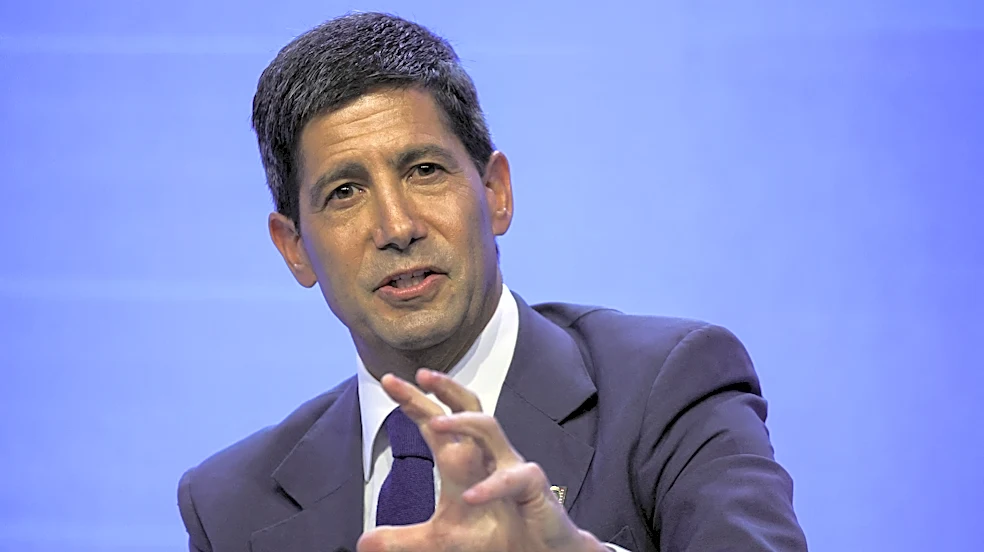




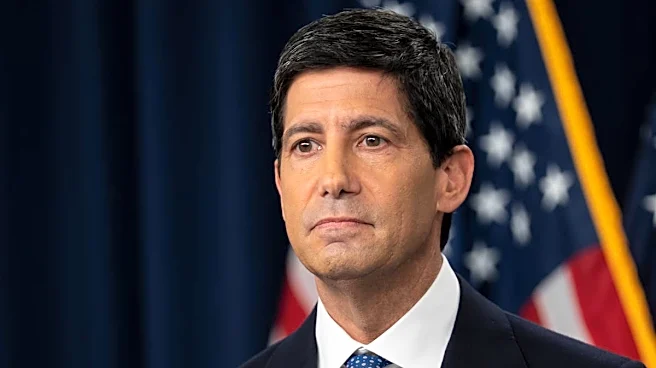

Federal Reserve Chair Kevin Warsh recognized persistent inflation's impact on the economy and reaffirmed policymakers' commitment to delivering price stability a little more than a week before policymakers' next interest rate decision.
He said the economy has broadly performed as they expected after the Federal Open Market Committee voted last month to raise the target range for short-term rates to 3.75% to 4% aiming to tame the pace of rising prices. Since their last meeting, they received news that year-over-year U.S. consumer price inflation rose to 3.7% in September, well above the Fed's 2% target and up from 3.4% the month before.
As usual, he declined to give any direct answer on how the committee will vote after their next meeting on Oct.
28. Most traders are betting the committee will hold the range steady this month and raise it by a quarter point in December, according to CME FedWatch.
"It's hard to be in a discussion with central bankers and not compare notes and hear the same thing about the surge in prices," Warsh said Oct. 16 during a fireside chat in Bangkok with Kristalina Georgieva, managing director of the International Monetary Fund. "At the Federal Reserve, we made very clear that we would deliver price stability."

Georgieva and Warsh also discussed the rise of artificial intelligence and its impact on the world economy. The Fed chair highlighted a significant investment surge related to the technology and described it as "probably the most important thing that's happening in the global economy on the upside."
He said the AI buildout could be both inflationary in the short-term as it raises the demand for certain products like memory chips and disinflationary in the longer-term as it increases productivity. Warsh added that policymakers still don't know its impact on employment over the next 12 to 18 months.
"But if you believe, like I believe, which is: It will make economies and countries that put it to good use more productive, that it's going to make it so that we will have more wealth, then that has to be a very good thing," Warsh said. "But the path from where we are to there is likely to be a very bumpy one."
The Fed chair also announced his productivity and jobs task force — one of five he created this year — will have its first field hearing in the Bay Area on Nov. 16, when it will "wrestle" with these issues.
"I'm pretty sure I've got the right questions," he added. "Not sure I have the right answers."
Reach Rachel Barber at rbarber@usatoday.com, follow her on X @rachelbarber_, and subscribe to her newsletter "Making More of Your Money" here.
This article originally appeared on USA TODAY: What's next for interest rates? Fed Chair Warsh wants price stability