



WASHINGTON – First the FBI came for the mobsters and other “Most Wanted” fugitives in 1950. Then it came for the “Most Wanted Terrorists” after the 9/11 al-Qaeda attacks on New York and Washington 25 years ago.
Now the FBI has a third “Most Wanted” list.
This time for what it says are the nation’s biggest fraudsters.
Three men were added to the list Sept. 3, according to FBI Director Kash Patel, for ripping off a government food-stamp program, the Pentagon and tech investors.
“We’ve already caught four subjects responsible for almost $2 billion in alleged fraud, on three different continents,” and returned them to the U.S. to face justice, Patel said in a Sept. 3 post on X before unveiling wanted posters for the three men. “They were on the run
for a combined 3,500 days previously, but not anymore. We’re not slowing down.”
“This is a new official FBI Wanted List which joins the historic Ten Most Wanted Fugitives List founded in 1950 and the Most Wanted Terrorists List founded in 2001,’” the FBI’s National Press Office said in a statement to USA TODAY. "The FBI only has three officially sanctioned official Lists."
The third official FBI List "features fugitives who have committed different types of fraud against the American people and shine a spotlight on the importance the FBI places on arresting those who commit these types of crimes,” the statement said. “It also serves as a warning to the American people about them.”
The list was officially launched in June, according to an FBI news release that said fraud costs Americans "tens of billions of dollars every year."
The FBI also has a website with top white-collar crime fugitives, encompassing “the full range of frauds committed by business and government professionals.” Over the years, it has also added websites specifically for counterintelligence, or those wanted for espionage or illegal state-backed activities against the United States, cybercrimes and violent crimes and gangs.
But the fraud list is now a more official campaign, according to the FBI statement, as the Trump administration makes a big push to root out fraud within the government.
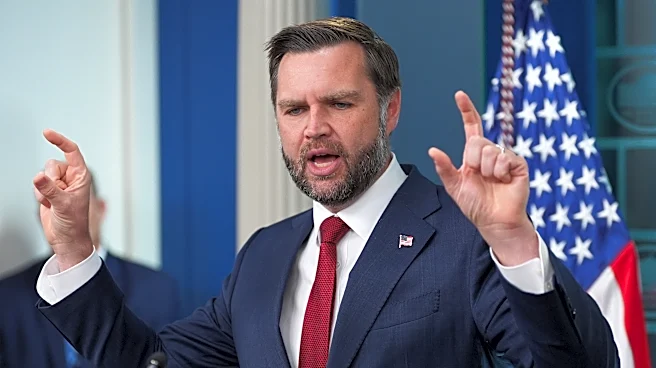
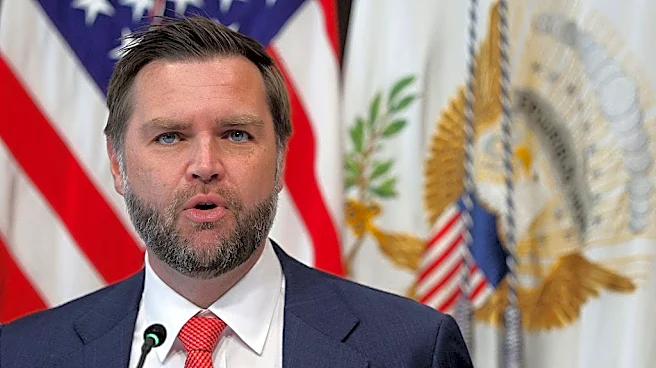
In a June Facebook post, Patel said the FBI's ramped-up efforts to find fraudsters was part of a White House task force to eliminate fraud headed by Vice President JD Vance. Patel has since claimed that under President Donald Trump, the FBI has been more successful than ever at apprehending Most Wanted criminals.

Seeking the public's help in finding dangerous criminals
Historically, the Most Wanted lists have been designed to capture the public’s attention and use their input to help catch fugitives.
They’ve been extremely successful in catching on-the-lam suspects, especially through wide public circulation of wanted posters featuring photos, height and weight, birthplace and place of residence − and in some cases identifying characteristics including tattoos and scars.
The Ten Most Wanted Fugitives, the bureau's longest running and most publicized list, features individuals suspected of violent crimes and major offenses, carrying a standard reward of at least $250,000.
Last year, the FBI marked the 75th anniversary of the program, calling it “one of its most iconic crime-fighting tools.”
A success story for more than 75 years
Since its inception on March 14, 1950, the FBI said in a March 14, 2025 release, 535 fugitives had appeared on the list and 496 had been apprehended or located – many due to tips from citizens. By then, public tips had led to the arrest of 163 fugitives on the list.
The program came about after a reporter for a wire service called the International News Service asked the bureau for the names and descriptions of the “toughest guys” the bureau would like to capture, according to an FBI history of the program.
The resulting story generated so much publicity and appeal that FBI Director J. Edgar Hoover implemented the Ten Most Wanted Fugitives program.
The list is compiled by the Criminal Investigative Division and the Office of Public Affairs at FBI Headquarters, which calls upon all 56 field offices to submit candidates, according to the FBI history.
The selection of the proposed candidate or candidates is weighed based on two categories.
One, they must have a lengthy record of committing serious crimes and/or be considered a particularly dangerous menace to society due to current criminal charges. And two, FBI officials must believe that nationwide publicity could help apprehend fugitives, “who, in turn, should not already be notorious due to other publicity,” the FBI history said.
As the nature of crime and FBI priorities have evolved over the years, the makeup of the Ten Most Wanted list has also changed.
While the list began by featuring bank robbers and murder suspects fleeing state jurisdiction, it has evolved into a tool to search for major organized crime figures, cybercriminals, child predators, and white-collar criminals, the FBI said in its 75th anniversary announcement.
Who’s the latest on the new 'Most Wanted Fraudsters' list?
Subject No. 1 was identified as Manjit Singh Bedi, accused of defrauding the United States of at least $600,000 in funds for the Supplemental Nutrition Assistance Program, or SNAP, program from 2024 to 2025.
Bedi, according to an X post by Patel, is wanted for orchestrating a scheme out of a grocery store he operated, swiping Electronic Benefits Transfer cards “and keeping proceeds for himself.”
“Bedi has been on the run for nearly a year and is believed to have fled to India – charged with wire fraud among other offenses,” Patel said in a post that included the Wanted poster for Bedi.
Subject No. 2, Bernhard Eugen Fritsch, is wanted for his suspected involvement in a scheme to defraud investors after raising approximately $35 million for his technology company, Starclub Inc. between 2014 and 2017, Patel said in another X post, complete with Fritsch’s Wanted poster.
At least $7.3 million of investor money was used to fund Fritsch’s personal expenses such as mortgage payments, residential expenses, and luxury vehicles, Patel said.
In April of 2025, Fritsch was found guilty of wire fraud in a California court, Patel said, adding that he “fled to Mexico” prior to a June 2025 hearing and later “fled to Munich, Germany.”
On Oct. 20, 2025, Fritsch was sentenced in absentia to 15 years in prison, fined $35,000, and later ordered to pay $27 million in restitution, Patel said.
Subject No. 3 is Onur Simsek, a Turkish national believed to be residing in Turkey, who is wanted for his alleged involvement in a defense procurement fraud scheme to win contracts to supply critical military components to the Department of Defense, Patel said.
From about 2019 to 2022, Simsek and others allegedly used a front company to obtain these components, “making misrepresentations to the U.S. government and military about their capabilities, and then laundering hundreds of thousands of dollars back to Turkey through international wire transfers,” Patel said.
The FBI is offering a reward of up to $150,000 for information leading to the arrest and conviction of each of the three subjects individually. Anyone with information is asked to please contact the FBI at 1-800-CALL-FBI or visit http://tips.fbi.gov.
This article originally appeared on USA TODAY: Mobsters, terrorists and now fraudsters: FBI's new ‘Most Wanted' list