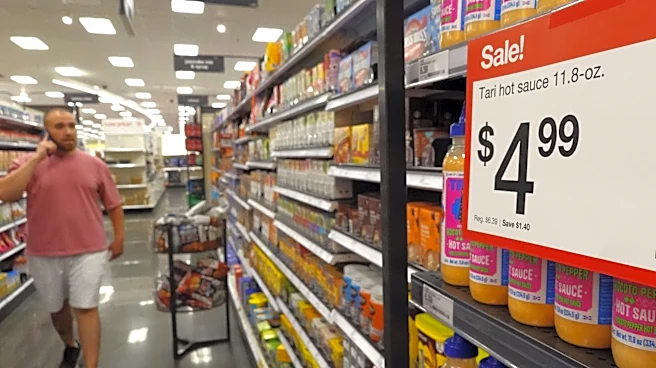





Seattle has become the first city in the country to approve a ban on grocery stores using customer data and artificial intelligence to alter prices.
The Seattle City Council voted on Sept. 22 to approve the Fair Pricing and Transparency Ordinance, banning retailers from using artificial intelligence and personal data to set different prices for the same items. The practice, commonly known as "surveillance pricing," allows grocers to use personal information to tailor prices to specific customers.
“Food is an essential good that’s getting more expensive all the time,” Seattle Mayor Katie Wilson said in a statement. “People have been clear: they don’t want their data fed into algorithms that decide how much they pay at the grocery store. Everyone
deserves transparent pricing and equal treatment, not hidden systems that charge some shoppers more than others.”
Seattle follows eleven other states who have either passed or are considering legislation to ban surveillance pricing. In 2025, New York became the first state to regulate automated pricing and require a disclosure on technology-assisted pricing.
“Groceries are getting more expensive for everyday Seattleites, while the buying, selling, and leveraging our private information to manipulate prices is making big national grocery corporations millions in profits,” City Councilmember Alexis Mercedes Rinck said. “This legislation is intended to put some guardrails on what big businesses can do with our personal information."
What is survelliance pricing?
Surveillance pricing is a method of using algorithms and personal information to tailor specific prices to different customers. Personal data gathered through loyalty programs or other third-party platforms allows sellers to adjust prices, in-person or online, for individual shoppers.
What stores does the ordinance apply to?
The Seattle city council ordinance will apply to retailers with 20 or more locations and require retailers to disclose the criteria for discounted prices and clearly display prices in retail locations. This could include Albertsons, which owns Safeway, and Kroger's QFC stores. The ban will not apply to smaller chains like PCC or Metropolitan Market.
Seattle's approved ban prevents grocers from using personal information like employment status, race, gender and browsing history to manipulate prices, according to the Mayor's office. Traditional coupons and discounts for veterans and seniors will remain available. The Mayor's office wrote that the policy was developed with "labor partners, industry stakeholders, and community advocates" over the course of months.
"Investigations across the country, including recent reporting involving Seattle shoppers, have shown that algorithm‑based pricing can lead to dramatically different costs for the same products," the Mayor's office wrote in a statement.
What other states have address surveillance pricing?
At least 11 states are considering, or have considered, similar legislation around surveillance pricing, according to Stateline. In 2025, New York became the first state to regulate automated pricing and require a disclosure on technology-assisted pricing that reads: "This price was set by an algorithm using your personal date."
Lawmakers in New Jersey, Maryland, Minnesota, Oklahoma and Tennessee have considered bans on surveillance pricing.
Zachary Fletcher is a trending news reporter with USA TODAY Network's Washington state team. Keep up with him on X (@zdfletch), BlueSky (@zfletcher.bsky.social) or reach him at zfletcher@usatodayco.com.
This article originally appeared on USA TODAY: Seattle the first U.S. city to ban 'surveillance pricing' on groceries