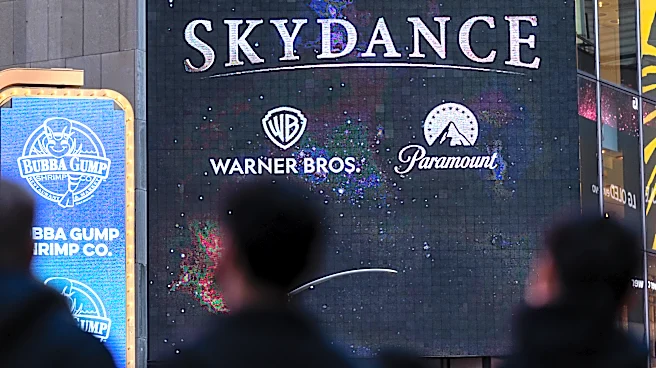






The newly formed mega-media conglomerate Skydance is making moves.
The new corporate entity, which was formed by the October merger of Paramount Skydance and Warner Bros. Discovery, announced on Nov. 18 that it would be combining its two major TV studios, Warner Bros. Television Group and Paramount Television Studios, into one new studio called Warner Bros. Television Studios
. The change will be effective starting in early 2027.The new Warner Bros. Television Studios will include "more than 120 active television series and some of the industry’s biggest global franchises, including 'Harry Potter and The Philosopher’s Stone' (HBO), 'The Pitt' (HBO Max), 'Ted Lasso' (Apple TV), 'Georgie & Mandy’s First Marriage' (CBS), 'Reacher' (Prime Video),
'Marshals' (CBS), 'Landman' (Paramount+), 'Emily in Paris' (Netflix) and the upcoming series 'Neuromancer' (Apple TV)."
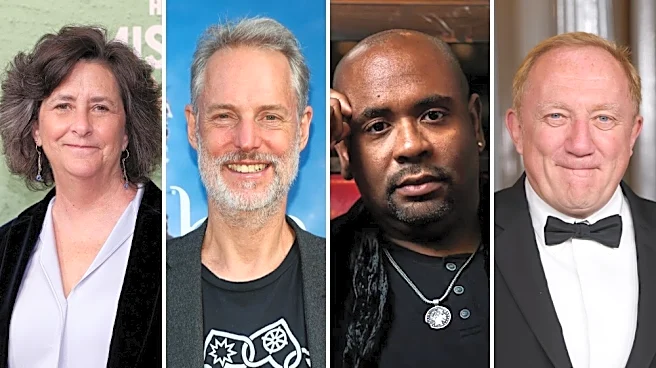
Veteran TV executives Channing Dungey and Matt Thunell will be in charge of the massive new studio as Presidents of Warner Bros. Television Studios. They will also oversee BET Studios and Warner Bros. International Television Production studios around the world.
CBS Studios, which produces shows like "Sheriff Country" (CBS), "Star Trek: Strange New Worlds" (Paramount+) and "Little House on the Prairie" (Netflix), will continue to be a separate entity. CBS Studios International, Skydance Sports Entertainment and See It Now Studios will also continue to operate under CBS Studios.
But what does all of this mean for you?

Well, mostly that more and more of the TV shows you love will be controlled by a smaller and smaller group of people as this mega merger moves forward with combinations and "efficiencies" like this.
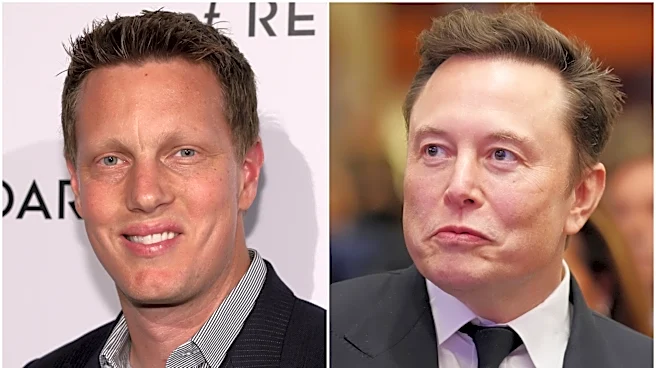
Paramount Skydance officially closed its belabored bid to buy Warner Bros. Discovery on Oct. 6, turning the two huge conglomerates into a colossal corporate entity, called simply Skydance, in control of two historic Hollywood movies studios, two streaming services, cable and network news, multiple TV studios and a slew of channels ranging from MTV to Food Network and TLC to Comedy Central and HBO.
Combining Paramount Studios and Warner Bros. Television Group makes sense from a business perspective. In Hollywood, the studios make the TV and the networks and streaming services bring them to you (which is why Paramount Studios can make a show that ends up on Apple TV or Prime Video, as well as Paramount+).
The goals of these two studios are the same: To make successful TV shows they can sell to networks and streamers. Both studios were also making very similar kinds of shows, including sitcoms, Emmy-award-winners, detective dramas, comfort TV and massive hits that often go to streaming. But CBS Studios, which is staying separate, has far more broadcast series, and a different brand identity.

Consolidation in entertainment means fewer places for new and emerging artists to take their great ideas. If there are fewer people who get to say "yes" or "no" to a pitch, fewer pitches are going to make it through. And a combined studio is less likely to say "yes" to two different shows that share similar concepts and target audiences. Why have both an "IT" horror prequel series and a "Dexter" horror prequel series? Why have multiple family sitcoms or murder mysteries or hospital shows? If all their resources are going to "Harry Potter," will any other children's book adaptation be on the table?
Inevitably, the new studio will have immense power of new, old and future TV shows. What shows get to stream after they're over, what shows get the green light and what shows come back for a second season will be up to a smaller group of executives with different financial considerations and goals than they had back before the companies merged.

Dungey, in particular, has a track record of making crowd-pleasers, helming ABC during its reign of Shonda Rhimes shows like "Grey's Anatomy" and "How to Get Away with Murder." She's helped WBTV create shows like "The Pitt," "Ted Lasso" and "Abbott Elementary." There's the possibility the bigger company could be used to create more ambitious creative projects, in addition to streamlining.
Skydance did not say whether this move will affect a discussed future combination of Paramount+ and HBO Max streaming services, if their content strategy will change or if we should expect any shows to get the axe as a result of the combined studios. USA TODAY has reached out for further comment.
But if you're wondering who is in charge of so many of your favorite TV shows, the answer is getting smaller.
This article originally appeared on USA TODAY: Warner Bros. and Paramount merge TV studios – What it means for 'Potter,' 'Landman,' CBS