




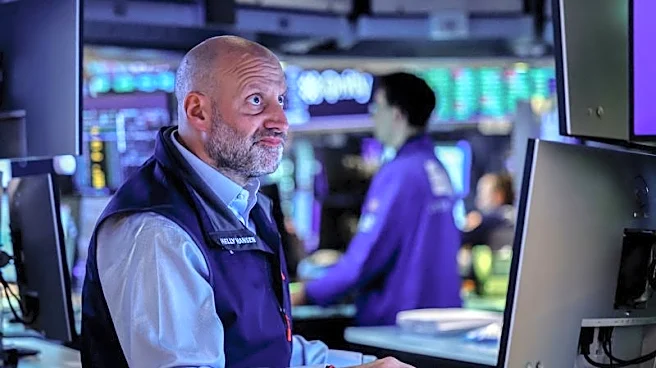

Midterm election results are weighing on U.S. stocks, particularly shares in data center and artificial intelligence, as investors worry a Democratic Congress will slow their development.
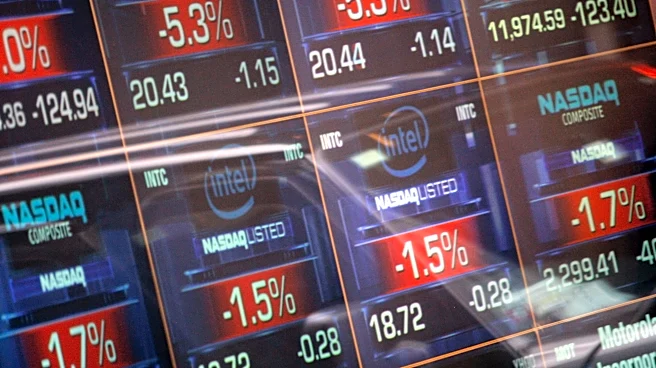
Around 12:35 pm ET. the tech-heavy Nasdaq was down 4.88%, or 1,255 points, at 24,510.83. At one point, the index dropped as much as 5%, which put it down 10% from its high last month and into what analysts call "correction" territory. Double-digit percentage losers included Advanced Micro, Sandisk, Micron, Dell and Marvell Technology.
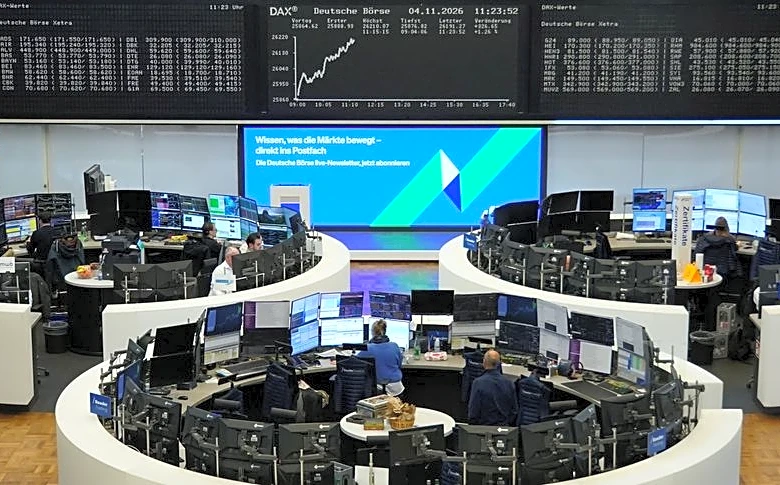
The broad S&P 500 dropped 3.6%, or 276.98 points, to 7,412.27 and the blue-chip Dow shed 2.84% or 1,513.70 points, to 51,842.42.
Data center and AI-related stocks have fueled the bull market over the past few years, but opposition
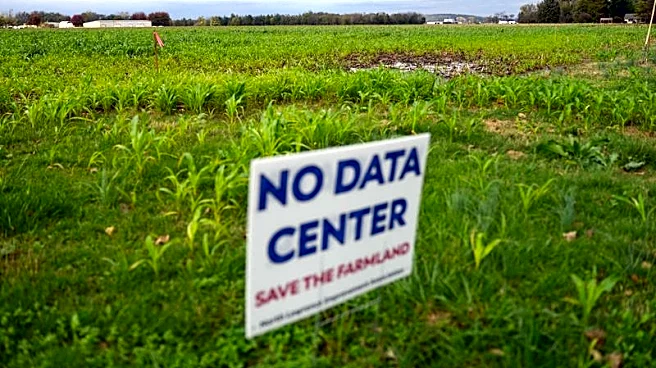
to them has grown in step with affordability concerns. Consumers have seen their electric bills increase as data centers near their homes suck up electricity in the neighborhood, studies show. Water bills, some researchers say, are next as data centers require boatloads of water to keep cool.
Under pressure to lower costs for Americans, investors are bracing for the newly elected Congress to enact legislation to curb data centers and AI buildout. For example, Texas governor-elect Gina Hinojosa has pledged to halt new data center projects in one of the country's fastest-growing markets for server warehouses worth billions of dollars.
"Data-center stocks have already reflected some of these potential shocks since July, but the risk does not yet look fully priced in," said Lale Akoner, global market strategist at online brokerage etoro.
What are data centers?
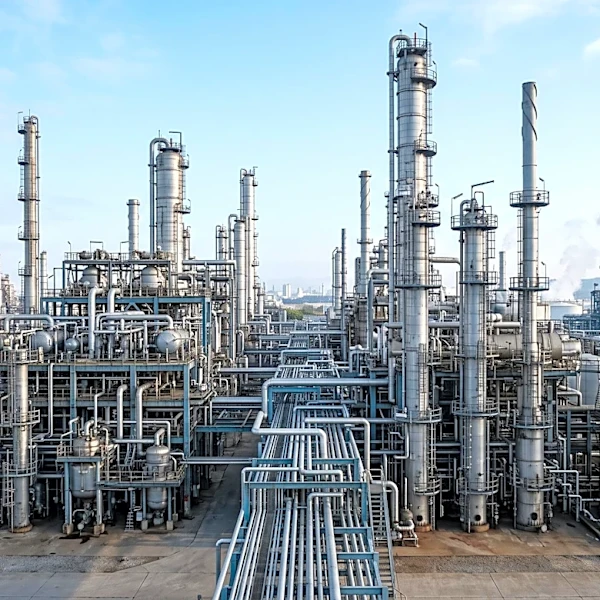
Data centers play an important role in every American's life. They're basically gigantic warehouses that store racks and racks of servers that use computer hardware to power people's everyday needs like cloud computing, multiplayer video games, online purchases and other digital activities. They also train AI models used to answer our queries.
On the flipside, data centers are expensive to operate. They use an enormous amount of electricty to run and water to keep cool. Just one mega data center can use the same amount of electricity daily that a small or medium-sized city - around 80,000 houses - would, according to Hannah Wiseman, a law professor at Penn State Dickinson Law.
The same data center can use 1 to 5 million gallons of water per day on a very hot day, or as much water in a day as a town of 30,000-50,000 people would use, said the Florida Water & Pollution Control Operators Association. The association notes, however, newer data centers are using more efficient technology that draws water from waste supplies and either returns most water used for cooling or no water.
"The industry knows water is a critical issue and is rapidly deploying newer cooling designs to use less water per unit of computing," it said. "The days of wanton water use are numbered, driven by both environmental and business pressures."

Data centers, AI and the ripple effects
Selling wasn't confined to data center and AI-related stocks because analysts said a slowdown in these areas ripple through the economy.
"If the data centers get delayed, everybody in the supply chain feels the effect," said David Meier, senior equity analyst at The Motley Fool. Delays in the construction of AI data centers could hurt corporate revenues and hamper companies' ability to make debt payments, potentially hobbling the broader AI industry.
"This is a big deal, because this has been a big catalyst for the growth of our economy over the last year, two years." he said. "The market might even be worried that some [data center projects] are going to get canceled, which would be even worse. Fear is growing right now."
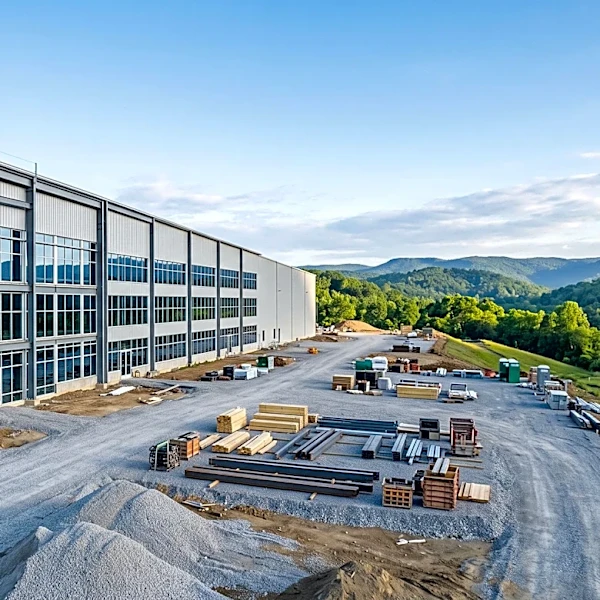
Construction jobs, which human resources and payroll provider ADP dubbed the "it" career of 2026, could see a drop off. Data centers may account for less than 2% of the construction industry, but those projects have a big "halo effect," boosting knock-on demand for residential and infrastructure labor, according to the American Institute of Architects. In May, the nonpartisan think tank Brookings estimated data centers contributed to an 11% increase in local construction jobs over five to six years.
What other sectors could be affected by the midterms?
Aside from tech, Akoner flags health care and defense as sectors to watch.
"In health care, the impact of the midterm results will vary by business type," Akoner said. "Efforts to protect Medicaid and restore Affordable Care Act subsidies will create an uplift in health insurance coverage, which will benefit hospitals. On the other hand, renewed proposals to lower drug prices and tighten Medicare Advantage rules would put pressure on drugmakers and insurers. Even if proposals don't become law, renewed efforts for tougher regulations will sway investor sentiment, which alone could be enough to drive price movements across the sector."
Meanwhile, defense companies that rely on government contracts could be exposed if a difficult debt ceiling negotiation delays spending increases, investors fear. "This doesn't mean that defense budgets will fall, but the real risk is that spending rises more slowly than anticipated, which will lead to price corrections,"Akoner said.
Should we buy the dip in stocks?
There could be room to buy the dip, analysts said.
"After all, in 20 out of 20 midterm elections since WWII, the S&P 500 has been higher one year later," wrote Jim Reid, economist at Deutsche Bank, in a commentary. And "the Republican losses in the House were basically on the historical trendline for what would be expected given President Trump’s approval rating. So it was a very normal election with a very normal market reaction before and after the vote, despite fears that this time would be different."
But investors must be careful about timing markets, which analysts say is usually a losing strategy and the better way is to buy set amounts regularly, or dollar-cost average, to manage risks. Employing this strategy ensures you automatically buy more shares when prices are low and fewer shares when prices are high.
"Overall, the important question for investors is 'which risks are already reflected in valuations, and where is there still room for disappointment?’" said Akoner.
Chris Larkin, managing director of trading and investing at E*TRADE from Morgan Stanley, said "the Nasdaq Composite hitting correction territory today doesn’t mean the end of the AI trade, but it may signal the trend is evolving and that traders and investors could be more selective going forward."
Medora Lee is a money, markets and personal finance reporter at USA TODAY. You can reach her at mjlee@usatoday.com and subscribe to our free Daily Money newsletter for personal finance tips and business news every Monday through Friday morning.
This article originally appeared on USA TODAY: Why the midterm blue wave just triggered a red Wall Street