


WASHINGTON – A federal judge presiding over a lawsuit on the release of the Epstein files warned Justice Department lawyers on Aug. 13 that he could penalize them and put a stain on their professional records if they don't comply with his orders.
"I'm not interested in doing that at all, but I will do it to ensure that justice is administered fairly," Judge Emmet G. Sullivan said. Sullivan made the comments at the end of a hearing dealing with whether the DOJ has complied with both his orders and a transparency law requiring it to release files on convicted sex offender Jeffrey Epstein.
"That's not a threat. That's a promise," Sullivan added.
Sullivan was discussing potentially holding DOJ attorneys in civil contempt – a step that can mean imposing
jail time or fines to force someone to comply with a court order. A contempt finding could follow the lawyers in their later careers if they seek new jobs, such as a judicial position, Sullivan noted.
The warning was the latest setback for the Justice Department over its handling of the files on convicted sex offender Jeffrey Epstein. Since the Justice Department's release of millions of pages of files in January, many with extensive redactions, some of Epstein's accusers have alleged that the DOJ is covering up potential crimes by Epstein associates – accusations the department has strongly denied.
"No one's in trouble" at the moment, Sullivan made clear. But he said he would be remiss if he didn't share that he held DOJ lawyers in contempt once before, after presiding over a criminal trial for Alaska Republican Sen. Ted Stevens in the 2000s. Those lawyers initially failed to provide documents he had ordered them to turn over.
"I don't look forward to doing it again, by any stretch of the imagination," Sullivan said.
The Justice Department didn't immediately respond to a request for comment.
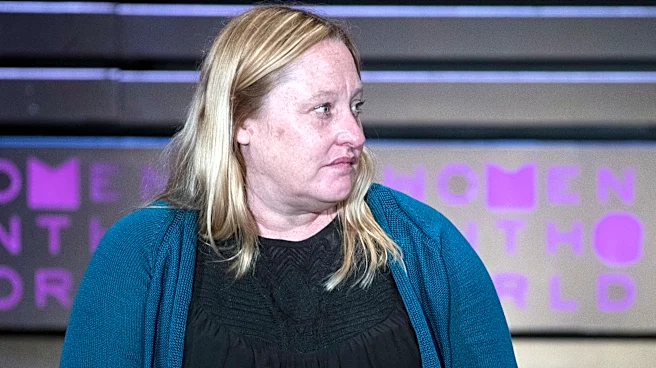
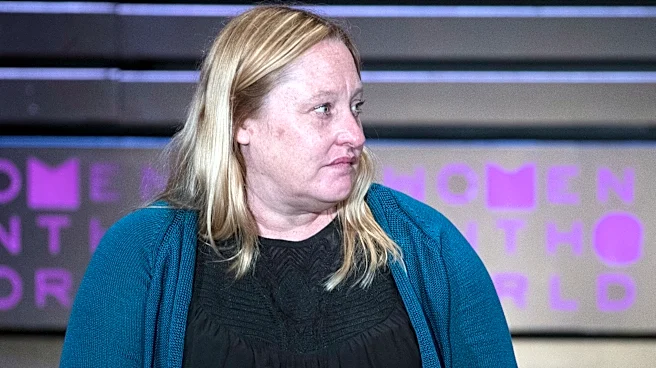
The remarks came at the end of a hearing Sullivan called in a lawsuit brought by Katie Phang, a lawyer and independent journalist who previously hosted a show on MSNBC. Phang has argued in her lawsuit that the DOJ didn't comply with the Epstein Files Transparency Act, which required it to release unclassified DOJ files related to Epstein, with limited exceptions.
Sullivan called the hearing after writing in an Aug. 8 court order that the Justice Department didn't comply with a previous order to provide him with documents he can use to verify that the DOJ properly redacted certain Epstein files. The DOJ said the redactions were concealing the identities of potential victims.

At the start of the Aug. 13 hearing, DOJ lawyer Andrew Block said the department tried to comply with the previous order, but that he had also brought a binder of fresh materials to the hearing, which he provided to Sullivan.
Sullivan also questioned Block about the DOJ failing to provide him with FBI notes from interviews of potential witnesses linked to Epstein. The department said it didn't provide the notes because they are "substantially similar" to typewritten reports that have been provided, and because providing the notes – which are handwritten – would risk inadvertently disclosing victim information.
However, Sullivan said at the Aug. 13 hearing that that explanation wasn't good enough. He said he needed the notes to confirm that what the DOJ is saying is accurate.
Sullivan said he would conduct a more detailed review of the binder the DOJ provided at the hearing, and also asked Phang's legal team to draft an order he might sign on getting the DOJ to provide him with the FBI's notes from interviewing potential witnesses.
"All I'm trying to do is ensure compliance with the Epstein Act," Sullivan said at the hearing.
This article originally appeared on USA TODAY: 'That's a promise': Judge warns DOJ of penalties on Epstein files