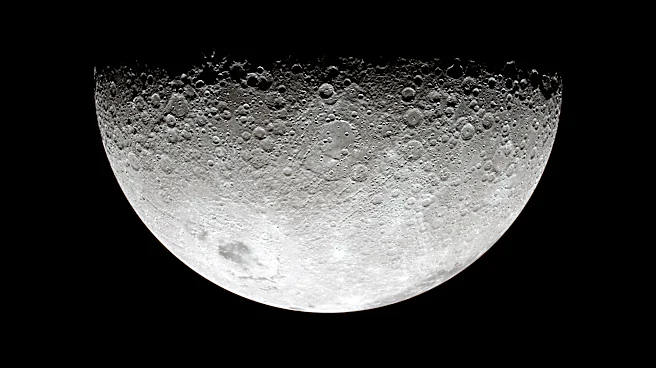


Get ready for series of four back-to-back supermoons set to unfold from late November 2026 through February 2027.
First up is the full Beaver Moon, the year's second supermoon and the first since January
2026, which will brighten our sky on Nov. 24. The supermoon will reach full moon phase at 9:53 a.m. EST, according to Space.com.
Up next is the Cold Moon on Dec. 23, which will reach peak illumination at 8:28 p.m. EST. At a distance of about 221,700 miles from Earth, it will be the closest full moon of 2026.
The full supermoon streak continues into 2027 with the Wolf Moon, which reaches its full phase at 7:17 a.m. EST on Jan. 22. The Snow Moon then completes the run, reaching peak illumination at 6:23 p.m. EST on Feb. 20, according to NASA.
Unable to view our graphics? Click here to reload story.
Weather permitting, the supermoon will appear slightly larger and brighter than a typical full moon. The best viewing and photography opportunities will come near moonrise or moonset, when the moon appears especially large because of the "moon illusion," a visual effect that makes objects near the horizon seem bigger than they really are. Framed against colorful autumn landscapes, the supermoon can make for a particularly striking sight, according to NASA.
Why is it called the Beaver moon?
According to The Old Farmer's Almanac, the name may refer to the time of year when beaver traps were historically set before waterways froze over for winter. Another explanation links it to the intense activity of beavers as they prepare for the colder months by reinforcing their dams and lodges. The November full moon is also sometimes called the Frost Moon, reflecting the season's colder temperatures and early frosts.
What puts the super in the supermoon?
A supermoon occurs when the moon is especially close to Earth while it’s full. The moon's closeness to Earth, naturally, makes it look extra-close and extra-bright – up to 14% bigger and 30% brighter than a full moon at its farthest point from Earth.
The term "supermoon" was coined in 1979 by astrologer Richard Nolle. It has become an increasingly popular and media-friendly term in the decades since. According to NASA, it's used by the media today to describe what astronomers would call a perigean full moon: a full moon occurring near or at the time when the moon is at its closest point in its orbit around Earth.
Contributing: Doyle Rice/USA TODAY
This article originally appeared on USA TODAY: 4 back-to-back supermoons begin with November's full Beaver Moon