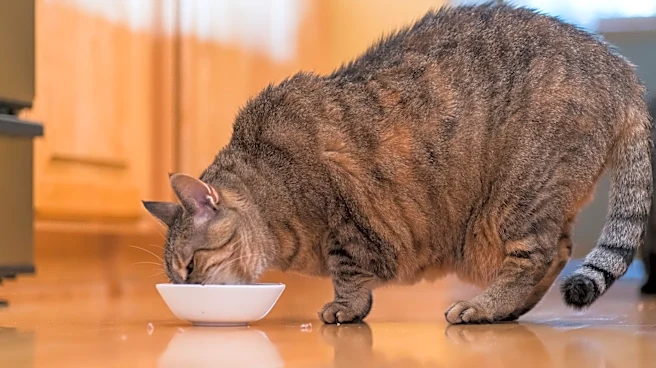










A little extra fluff can be charming on a cat, but even a few extra pounds on a small frame can have a not-so-cute effect on comfort, mobility, and long-term health.
Excess weight can raise a cat’s risk of diabetes, arthritis, skin problems, urinary issues and difficulty grooming. It can also make ordinary cat activities, such as jumping onto a favorite perch, squeezing through the cat door, or a round of midnight hallway zoomies, harder than they should be.The tricky part is that cats come in all shapes, sizes and levels of floof, so the number on the scale does not always tell the full story. While the average adult cat weighs about 10 pounds, Susan Rice, a Certified Cat Friendly Veterinarian at Pacific Animal Hospital, said that figure alone
cannot determine whether an individual cat is at a healthy weight.So, is your cat pleasantly plump, or is it time to cut back on the kibble? Here’s how to spot the signs of excess weight and help your cat slim down safely.
How to tell if a cat is overweight
Veterinarians say a good place to start is with a hands-on check, especially if your cat has a thick or long coat that makes it difficult to see their shape beneath all that fur.
“The easiest way to tell if your cat is overweight is to feel the area over their ribs,” Rice said. “If you can’t easily feel rib bones, your cat is likely carrying extra fat.”
Gently run your hands along both sides of the body, where the ribs should be easy to find without pressing too firmly. You may also notice slight bumps over the spine and hips in a cat at a healthy weight, while a flatter back with little noticeable bone structure may suggest your cat is carrying some extra padding.

The view from above can offer another clue. A healthy cat usually has a slight waist just in front of the hind legs, while sides that curve outward into a rounder shape may point to excess weight.
Do not let a swinging belly flap fool you, though. Many cats have a primordial pouch, the loose skin that hangs near the hind legs, and it can be present even in a perfectly lean cat. A normal pouch should feel loose and stretchy, while excess fat tends to feel firmer and more solid.
A cat at a healthy weight should still have some definition at the waist, even with a pouch. Rather than judging the belly alone, look at the full feline silhouette.
How excess weight affects a cat’s health
“Obesity in cats can lead to diabetes mellitus, as well as mobility problems,” Rice said. “The extra weight puts tremendous pressure on their joints and can definitely lead to painful osteoarthritis as the cat gets older.”
Overweight cats may also have trouble reaching certain areas of their body, which can lead to skin and hygiene problems. Rice said some cats may develop constipation, difficulty urinating or urinary tract infections when their size prevents them from grooming comfortably.
Weight gain is especially common after cats are spayed or neutered because hormonal changes can lower their metabolism and activity levels. Indoor cats may face an added challenge when their daily schedule includes far more napping than prowling.
How much food does a cat actually need?
There is no one-size-fits-all calorie target for cats. A veterinarian will consider weight, body condition, muscle mass, age, activity level and medical history before recommending a goal weight and daily allowance.
“A calorie calculation is only a starting point,” said Kelly Yeo, a small-animal veterinarian. “Two cats of the same weight can have quite different energy needs, so the plan must be adjusted according to what happens on the scales.”
Owners should check the calorie information on the food label rather than relying solely on the suggested serving size, which may be too generous. Yeo recommends weighing food in grams with a digital kitchen scale because even a rounded scoop of calorie-dense kibble can add more calories than expected.
Rice also suggests measuring the cat’s full daily allowance each morning so everyone feeds from the same supply. Once it is gone, the kitchen is closed, no matter how dramatic the meowing becomes.

Treats, table scraps and food used for medication count, too. Yeo recommends keeping treats below 10% of a cat’s daily calories or using part of the regular food allowance as rewards.
Wet food or dry food: Which is better for weight loss?
Neither wet nor dry food guarantees weight loss because total calories matter more than whether dinner comes from a can or a bag. Wet food contains more water and is usually less calorie-dense, allowing some cats to eat a larger portion for the same number of calories. Dry food can also work, but portions should be weighed carefully rather than left out for unlimited grazing.
Some cats may do well with measured wet-food meals and a small amount of dry food in a puzzle toy or automatic feeder. For cats that need a larger calorie reduction, Yeo said a veterinary weight-management diet may be safer than simply serving much less of their usual food because it is formulated to provide adequate nutrients with fewer calories.
How quickly should a cat lose weight?
Helping a cat slim down is a slow process, not a crash diet, and most cats will need several months to reach a healthier size.
“Cats should lose weight gradually over the course of several months, aiming for about 1% of their body weight per week,” Rice said.
For a severely overweight cat, she added, it may take up to a year to reach a healthy weight. Regular weigh-ins help veterinarians adjust portions and make sure the cat is losing fat without too much muscle.

“Cats should never be placed on a crash diet,” Yeo said. “Severe calorie restriction or sudden food refusal can create a major negative-energy balance.”
Rapid weight loss can cause hepatic lipidosis, or fatty liver disease, which can be fatal. So keep an eye our for habit changes and call a veterinarian if a cat stops eating, becomes lethargic, vomits, appears weak or develops yellowing around the eyes, gums or skin.
The goal is not just a smaller number on the scale, but a healthier cat that can move comfortably and still have energy for window patrol and the occasional furniture parkour routine.
Tips for safe cat weight loss
- Feel for the ribs and look for a visible waist instead of relying on weight alone.
- Ask a veterinarian to calculate a safe target weight and daily calorie allowance.
- Weigh food with a kitchen scale rather than guessing with a scoop.
- Include treats, table scraps and food used for medication in the daily total.
- Measure the full day’s food so everyone in the household feeds from the same portion.
- Use puzzle feeders, wand toys and short play sessions to encourage movement.
- Aim for steady progress rather than cutting food too quickly.
- Call the veterinarian if the cat stops eating or begins showing signs of illness.

This article originally appeared on USA TODAY: Is my cat overweight? How to help your pet lose weight safely