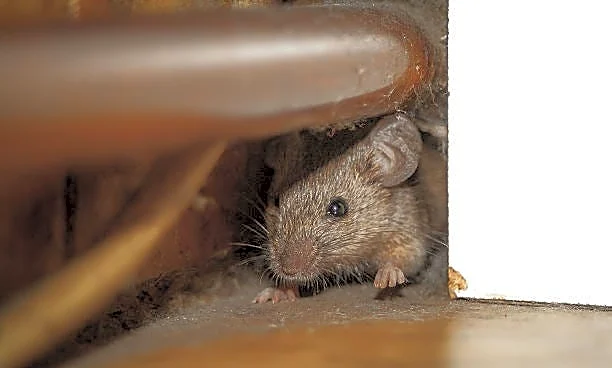











Mouse infestations are obvious once you know what to look for. Droppings, gnaw marks, increased wear on wall trim, scurrying sounds at night and more are easy to spot. The only problem is, once the issue has become easily visible, the population in your home could have grown substantially. Getting a handle on it early can help you tackle the problem before it becomes an all-out battle.
While calling in a pest control pro is the best course of action for larger infestations, setting a few well-placed mouse traps can quickly take care of the one-off mouse in your house. But to do that, you're going to need the right equipment. Here is a list of the best mouse traps and how to use them.

Catchmaster Catch & Toss mouse removal traps
Catch mice and bugs with
this mouse trap kit.
Buy these mouse traps
Signs of mouse infestation
Before you start placing traps, you need to figure out where the mice are and how severe the infestation is. "Before reaching for any trap, identify what you're actually dealing with," says Ed Dolshun, the vice president of business development and technical director at Catchmaster, a company that specializes in mouse traps.
"Signs like droppings (small, dark, rice-shaped pellets about 3-6 mm long with pointed ends), gnaw marks, greasy rub marks along walls, nesting materials, scratching sounds or unusual pet behavior all point to mice," says Dolshun. But, it's their location that tells you more. "Droppings concentrated in one area often indicate a nest or feeding site nearby," he adds.
Holes along a low point on a wall are obvious, but some of these (and other) markers can be a bit more subtle. Mice feed frequently, but are so small that you might not notice that they've been raiding the dry goods in your pantry until the population has mushroomed and become a lasting problem.
Here's a more concise list of what to look for:
- Gnaw marks
- Scratching sounds, especially in your walls at night
- Dark-colored rice-shaped pellet droppings
- Soft nesting materials scattered around baseboards and lower areas
Note from the editor: I had mice in my house for weeks before I noticed they were there. They were so sneaky that they were climbing up from a rafter in our basement and into a small hole in our kitchen cabinets. They raided the pet food for awhile, but slowly made their way into the rest of the drawers. One morning, I found mouse poop in my silverware drawer. That's when I knew we had a problem.
How to prevent mouse infestations
Preventative pest control is always preferred. Companies like Orkin offer such all-inclusive services that are designed to stop infestations before they even start. These options are almost always more cost-effective than dealing with an existing problem or trying to clear a new issue from your home.
Mice can squeeze through 1/4-inch gaps in exterior walls, so sealing your home's exterior is imperative to preventing future issues. Conducting thorough walk-arounds of your home and any outbuildings like detached garages is a necessary step. Check the following areas for gaps during any inspection:
- HVAC vents or piping
- Dryer vents and exhausts
- Utility lines into your home
- Window seals, especially in foundation windows
- Gutters and soffits
In your home interior, remember to check the other side of your window seals and to inspect your attic for any signs of insulation damage or potential nests. Yet another step to take is sealing your food in hard-shell containers. Not everyone has the benefit of a walk-in pantry where all food is readily visible.
With that in mind, it can be tough to spot damaged cereal or pasta boxes or other similar containers that mice have already sunk their tiny teeth into. This is a health hazard for multiple reasons aside from the obvious ones, as mice often expel waste where they eat. Diseases like hantavirus can spread this way.
As small as they may be, mice are incredibly resourceful. They can squeeze into the tiniest of openings and sniff out food almost anywhere. So, if you're a little late to the prevention party, we have a few great options recommended by an experienced industry professional here.
The best mouse traps to get rid of mice fast
Old-school snap-traps come to mind for most homeowners when mousetraps are discussed. However, there are far more options for pest control in the modern market. In our opinion, the following products are among the best options available for varying degrees of mouse infestations.
Catchmaster Max-Catch Glue Traps: The best pesticide-free option
Glue traps can be a polarizing topic, due to humane capture concerns. However, Dolshun provided plenty of insight as to why they're popular among pest control experts, and why they're more effective at controlling problems beyond the mice themselves.
"When used responsibly, glue boards are a legitimate and effective tool within a humane pest management program," Dolshun says. "Glue boards also carry a public-health benefit that's easy to overlook. When a rodent expires on a glue board, its fleas, ticks, and body fluids are contained right there with it. In studies conducted by Snell Scientifics, LLC, glue boards captured approximately 79% of fleas and 100% of ticks leaving a host carcass."

Shop these effective mouse traps today.
Catchmaster Cold-Weather Glue Trays: Best for sub-freezing temperatures
Frequent monitoring of these traps is the best way to minimize suffering on the part of any mouse or other pest you may be trying to control. These cold weather mouse traps are a great choice for areas around the outside of your home in the lead-up to winter, provided they're kept out of the way of direct rainfall.

Shop this sub-freezing solution now.
Catchmaster Catch & Toss: Best stress-free removal option
These glue traps come with their own shadow box that make it easy to bait and place them along walls anywhere you may encounter rodent activity. As a bonus, you can just as easily replace the glue board with a snap trap to suit your own preferences.

Shop this out-of-sight option now.
Catchmaster Snapper Mouse Traps: The best traditional option
Going the traditional route with a snap trap, or combining it with one of Catchmaster's shadow boxes offers a tried-and-true method for mouse control and remediation. Here is the most readily available choice, which I've personally used to rid my garage and basement of mice.

Grab this reusable trap today.
Other tips for mouse control
It is very important that you follow manufacturer recommendations for use anytime you're setting traps or handling your own at-home mouse infestation. This is especially true if you plan to use any chemicals or poison, although none of the products above require this.
While these traps are fairly straightforward, immediate results are never a sure thing. Once, again, we turned to Dolshun for advice on what to do if traps aren't working. He gave us the following two pointers:
- Move the traps: After an opening burst, you might find it difficult to catch more mice with a trap in the same location. Moving your traps to another spot near a wall or food source, or anywhere else that you've noticed rodent activity can help.
- Change your bait: Considering a different food bait or moving away from food entirely could help with attracting more mice. Sometimes, bedding materials like cotton or shredded paper can cause increased traffic by your traps.
Signs you need professional pest control
"A single female house mouse can produce roughly 42-60 offspring in a year, reaching sexual maturity in just 5-6 weeks," says Dolshun. "New litters start reproducing while the original mother is still having hers. The math compounds quickly, which is why a small problem becomes a large one faster than most homeowners expect. Early action matters."
Once again, prevention or early action are necessary to maintain the integrity of your walls and avoid potential health hazards associated with rodent intrusion. Dolshun also stated that mice can eat 15 to 20 times a day. As they often produce waste while eating, the spread of diseases like E. coli, Salmonella, C. difficile and more are risks also posed here.
If you're hearing noises every night, notice bite marks and droppings by food sources, and have discovered burrowing holes anywhere in your home, we encourage you to seek out professional pest control to minimize health risks to you and your family.

Call Orkin today
Orkin Pros can tackle your spider infestation in no time.
Call an Orkin Pro
This article originally appeared on USA TODAY: The best mouse traps for your home, according to pros
Our editors independently choose our recommendations. Some content is produced with paid support from a third party, however our editorial decisions remain independent. If you buy through our links, the USA TODAY Network may earn a commission. Prices and availability may change.