
No one expects to be impacted by a heart health issue, especially not a young, professional athlete. But heart conditions don't discriminate. I learned that the hard way in January 2023 during a Monday
Night Football game. It wasn't any game. It was two teams fighting for first place, with the No. 1 seed going into the playoffs and a first-round bye on the line.
Despite being at the top of my game, I collapsed and went into cardiac arrest in an event that was viewed on national TV and spread like wildfire across social media around the country. I went on to become Google’s top trending person on search for the year as millions followed my recovery and eventual return to the National Football League.
But while the world witnessed my physical comeback, few saw the mental and emotional journey behind that recovery.
Heart conditions and incidents around heart health can be incredibly traumatic – I know it has been for me after my cardiac arrest.
Many people who go through these also experience forms of psychological distress like post-traumatic stress disorder, depression or anxiety, according to a 2025 American Heart Association scientific statement on heart attacks. Up to half of survivors experience high stress and anxiety in the hospital, with many continuing to feel these symptoms in the months afterward, the statement said.
When I was catapulted into the spotlight, people would come up to me and tell me about similar experiences that they faced. These people understood the mental and physical challenges that going through a heart event can cause. Meeting people who shared similar journeys to mine and who know what it was like to walk in my shoes has been a big part of my healing journey.
Cardiac arrest recovery comes with emotional, physical challenges

Going through both the physical and emotional side of a heart health challenge can make it feel at times like you may never be you again. Feelings of isolation, fear and hopelessness, especially when you don't have someone in your life who relates to your challenges, can be all too common.
I've learned that the mental aspect of heart health challenges can affect long-term health by making it harder for people to complete treatment and make lifestyle changes. Having high anxiety can also increase the chances by 1.3 times of having a repeat heart attack, compared with those without that anxiety. And battling depression or PTSD makes people twice as likely to have another cardiovascular event.
One person I've met through my journey is Dr. Nadim Geloo, a cardiologist on the medical affairs team at Abbott, a global health care company.
As a cardiologist, Dr. Geloo has spent years treating people with heart health challenges and knows how important mental recovery is for physical recovery, which can take months or years depending on how you address it. And as a person who lives with heart disease himself, he knows firsthand the value that connecting with someone who can relate to and understand your experience has for that mental recovery.
In the years since my cardiac arrest, the people whom I have met and shared my experience with and learned from their experiences have inspired me more than I think I've inspired them. Family and friends are important, but there's something different about connecting with others who know your journey and can relate to you on another level.
Sometimes just knowing you're not alone helps you get through the tougher times.
Heart survivors need a support team. How we make recovery like the NFL

That's why I believe people who've been impacted by heart health challenges should have access to better support networks and mental health resources. This emotional and mental support isn't a mere bonus. It has life-and-death implications.
Thankfully, it's increasingly easy for heart survivors to get this support from others who have been through similar situations. Abbott HeartMates, a program we are both involved with, brings together anyone who has been impacted by heart health challenges to share their experiences in regular huddles and meetings in person and online.

It creates that locker room experience outside of the locker room and builds a team that supports each person through their comeback journey.
Like the NFL, we even have an annual "draft" to recognize people who've overcome extraordinary heart-related challenges and dedicated themselves to helping others with their own recoveries. Draftees get a special phone call and sign a contract to support others going through their heart health comebacks.
Other programs, like the American Heart Association’s Nation of Lifesavers, also connect people and share stories of survivors while working to train more people in CPR.
When hospitals treat a person with a heart condition, that's merely the beginning, not the end of a long road to recovery. What we really need is a team of supporters who can walk alongside us on our journey.
While I've been able to return to the sport I love, I know my mission on earth now is much greater. Using my platform has allowed me to inspire others, but throughout my journey there have been many people I've met who have inspired me even more.

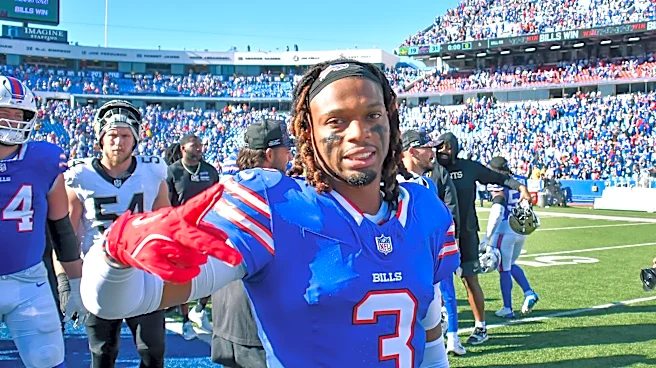
Damar Hamlin is a sixth-year National Football League player, current safety for the Buffalo Bills and heart health advocate. Dr. Nadim Geloo is a cardiologist and senior medical director of the structural heart division at Abbott. Damar and Dr. Geloo are ambassadors for the Abbott HeartMates community.
This article originally appeared on USA TODAY: Damar Hamlin: My heart stopped in an NFL game. The hardest part came next