







I test new cars for a living and enjoy some features much more than others. I regularly drive final configuration models, sampling the best of what vehicles have to offer. Of all the features I've tried in approximately 30 brand-new vehicles this year, there's one that annoys me the most.
The car feature that annoys me the most is...
Regenerative braking is the most annoying car feature I've tested in a new vehicle. This feature converts the kinetic energy of braking into electricity to recharge the battery of a hybrid electric vehicle (HEV), battery electric vehicle (BEV) or plug-in hybrid electric vehicle.

While the feature is a clever way to make vehicles as efficient as possible and extend driving range, it doesn't always feel pleasant for cabin occupants. Not all vehicles with regenerative
braking are problematic, but the feature can make both drivers and passengers uncomfortable because of quick, sudden deceleration.
My wife gets motion sickness in cars with aggressive regenerative braking. Additionally, I find cars that have this feature to be more difficult to drive when combined with one-pedal driving. Some vehicles allow you to adjust the sensitivity of regenerative braking for a softer braking feel, while others have extremely stiff standard one-pedal driving settings.
One-pedal driving allows the accelerator to double as a brake, and slows then vehicle down as you lift your foot.
Can regenerative braking be turned off completely?
Unfortunately for drivers, adjustable regenerative braking is still very new technology. Most electric vehicles with regenerative braking lack adjustment settings to fine-tune the feature. If you're considering buying a new or used electric vehicle in 2026, I strongly recommend paying close attention to the feature during test drives.
If the sudden deceleration and abrupt stops make you uncomfortable, ask the salesperson about the feature before making a purchasing decision. Regenerative braking can have a huge impact on your daily driving comfort if it's particularly harsh in a vehicle.
South Korean EVs like the Hyundai Ioniq 5 and Kia EV6 allow drivers to downshift regenerative braking to zero, which eliminates uncomfortable motor drag.
New cars that have smooth regenerative braking
In my experience testing new cars, the vehicles with the smoothest regenerative braking are typically hybrids. The best regenerative braking experience I've had was in the Toyota Grand Highlander Hybrid. The midsize three-row hybrid family SUV achieves excellent gas mileage (36 mpg combined) and driving range (over 619 miles) for its size.
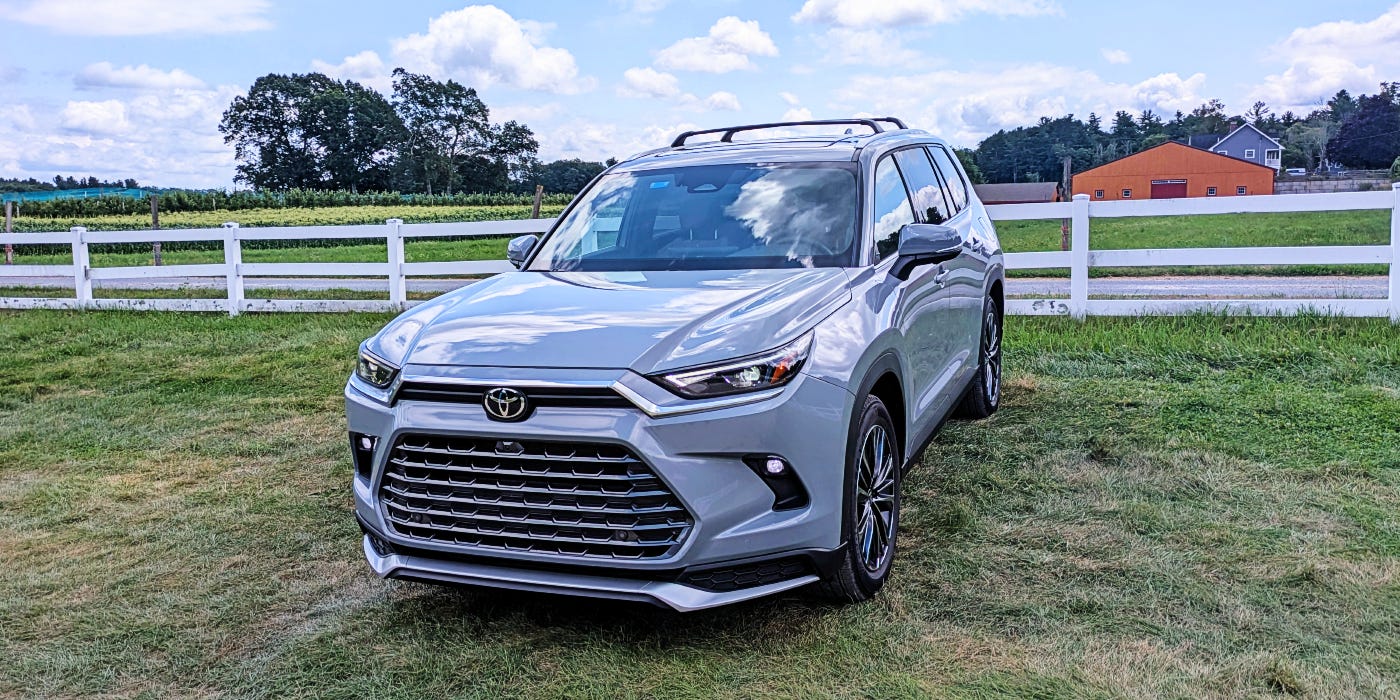
The Grand Highlander Hybrid's regenerative braking is extremely subtle. Make sure you experience a car's comfort and driving ease before committing to ownership. After years of test driving new cars, I've learned that just because a vehicle has an attractive exterior design doesn't mean it's a practical daily driver.
Reach out to me with the car features that annoy you the most at CSingh@Gannett.com.
This article originally appeared on USA TODAY: This car feature drove me crazy. Buyers should know about it