



I’m jolted awake at 12:45 a.m. when my college-aged daughter texts me from a frat house.
Her weekends sometimes begin by pregaming at the house she shares with five girls before ending up at a campus bar. She texts me a photo with her childhood bestie.
It's at that moment I think of Jane Doe.
I want to reply: Be safe.
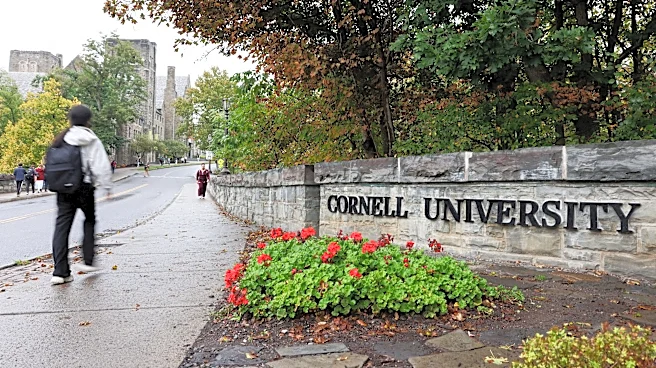
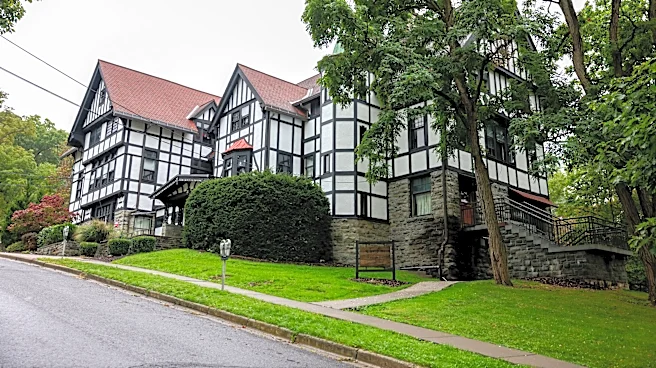
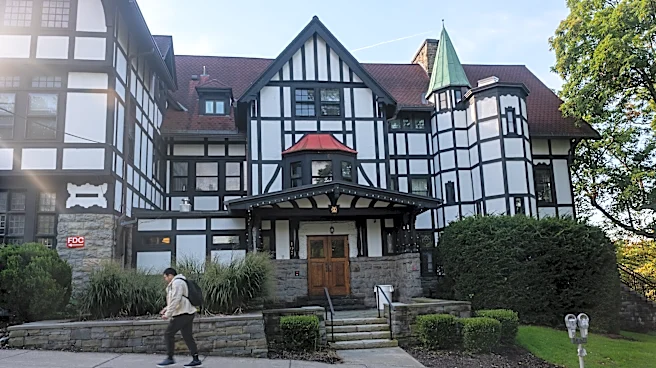
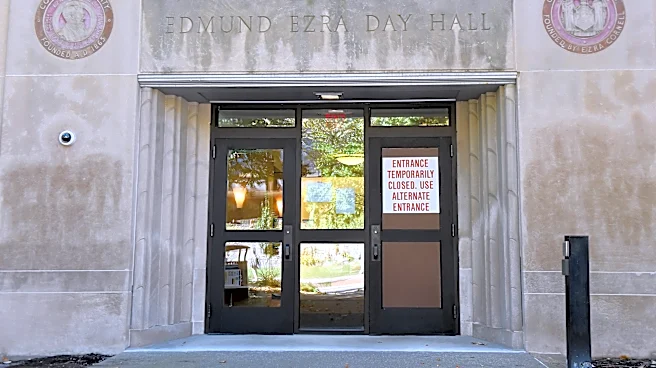
I begin doomscrolling about the Cornell case which has captivated a nation and now consumes me. A 20-year-old woman, identified in court records only as Jane Doe, started her night drinking with friends and ended at a fraternity house where she says she was pressured into doing drugs, then gang raped.
We don’t know Jane Doe’s name. And it’s the lack of that one detail in the alleged gang rape case at Cornell University that matters.
The details we do know are specific and heartbreaking. But her anonymity is what has sparked an online movement that allows me to see my daughter in her. That we know little about Jane Doe leaves room for readers to imagine their sister or friend in her situation. They can see someone they love in Jane Doe’s story before personal details dribble out, shaping or narrowing their response.
Rachel Sanders is a 21-year-old college student who posted #IamJaneDoe on her Instagram account this week. The decision, she says, was easy.
Jane Doe could be her.
“We all are her,” she says. “We don’t need to know who this girl is, it doesn’t matter.”
The identity of the woman who accused members of a Cornell fraternity of gang raping her in October 2024 was filed as Jane Doe in civil court in September. Her identity is shielded.
This makes the case different from high-profile abuse cases where the public often blames the victim. Once she is identified, her sexual history, her clothes, her photos on socials become part of the story. It’s a common tactic used by defense attorneys and extends to the public.
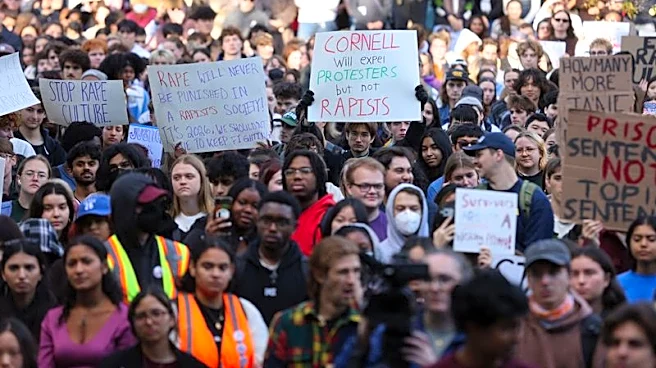
![Madelyn Smith, 20, a student at Cornell University in Ithaca, N.Y. was among several thousand students, faculty, and community members who attended a rally at Cornell University in Ithaca, N.Y. Oct. 5, 2026. The protestors gathered to demand change from Cornell’s administration after the handling of the Jane Doe sexual abuse allegations. [Via MerlinFTP Drop]](https://www.gannett-cdn.com/authoring/authoring-images/2026/10/05/USAT/92111856007-xxx-cornell-jane-doe-rally-007.JPG)
When Virginia Giuffre Roberts first accused the former Prince Andrew of abuse, she was called a whore. She was blamed because even though she was 17, if she gave someone a massage, maybe she also consented to sex? Cassie Ventura Fine was called a gold digger who traded sex for fame with Sean “Diddy” Combs when she accused him of abuse. He was convicted of transportation to engage in prostitution.
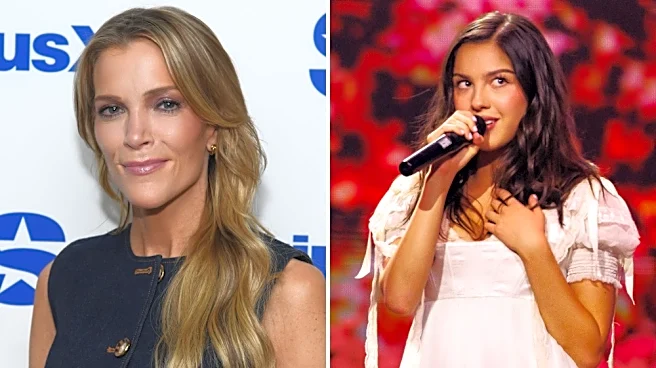
Right wing commentator Megyn Kelly has already started. She says she has seen an image of Jane Doe. (Doe’s lawyer told CNN that she has been targeted with threats over her civil suit.) The men accused have all denied wrongdoing and none have been criminally charged.
Kelly said the alleged victim might have “enjoyed” what happened and said she’s “not the most attractive gal,” on the podcast “The Megyn Kelly Show” Oct. 5.
The hashtag #IamJaneDoe has been viewed more than 65 million times on TikTok. The women say they want to show Jane Doe she isn’t alone, that they could be her. They, too, have lived through this. They’ve been raped, assaulted, dismissed. They’ve also been harassed or told “it’s just a joke.”
Gen X women see the case as an example of the world they grew up in, but with a new generation that isn’t staying quiet.
Kelly Ross Miller, 48, remembers how women often were blamed for what they were wearing or what they were doing if they were assaulted.
“It was the purity culture and people blamed the women,” says Miller, a former pastor and now career coach who lives in San Diego. “The problem here is that someone raped this girl. It had nothing to do with her. It is the choices of the humans around her. End of story.”
Miller posted #IamJaneDoe on her Instagram account to show solidarity.
Her friends asked if she had been raped. Why else would she post it. “No. I have had uncomfortable things happen around men. But this is about showing this could have been anyone and to help keep her privacy,” she says.
Jody Hunter, 53, was at first afraid to share her #IamJaneDoe story online where she typically posts about midlife.
But she knew she had to.
On Oct. 1, she pointed her phone toward herself and started a video. At 21 she was raped in her own house during a party after she’d gone to bed. At 42 she was drugged and sexually assaulted on a work trip. Hunter reported the assault to police, but, she says, her case wasn’t pursued.
She was Jane Doe.
More than 400,000 watched her video. People from around the world shared their stories. Hunter spent the weekend replying to each stranger, using a translator to respond to some. She posted a sexual assault hotline.
“I don’t want her to feel alone or for anyone to feel alone,” says Hunter, who lives in a Detroit suburb. “We have to do something.”
Hunter watched the #MeToo movement gain momentum and lose it. This time, she says, people can’t let it go: “When I told police what happened 11 years ago, my voice did not mater. Now people are listening and for the first time, it feels like it does. I can only hope it leads to change.”
She ended one of her videos with a message for all survivors: “When you speak things, they lose their power. I am Jane Doe. Stay with me.”
Let’s allow Jane Doe her privacy. Her story is allowing us to tell ours.
If you or someone you know has experienced sexual violence, RAINN's National Sexual Assault Hotline offers free, confidential, 24/7 support in English and Spanish via chat and at 800-656-4673.
Laura Trujillo is a national columnist focusing on health and wellness. She is the author of "Stepping Back From the Ledge: A Daughter's Search for Truth and Renewal" and can be reached at ltrujillo@usatoday.com.
This article originally appeared on USA TODAY: My daughter texted from a frat house. I thought of Jane Doe | Opinion