


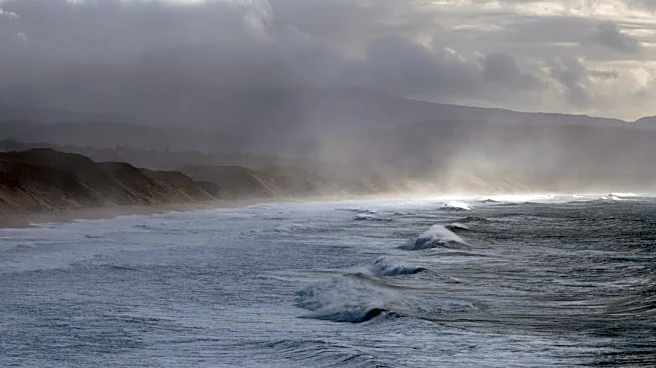
An atmospheric river storm is taking aim at California, which will bring drenching rain, pounding coastal surf, strong winds, and heavy snow to the mountains, forecasters said.
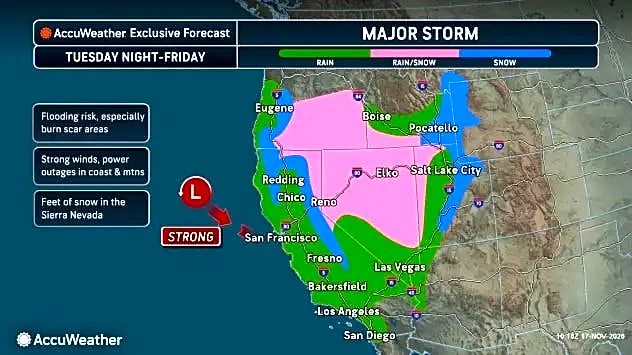
Lower elevations will get rain and gusty winds, while significant snow will pile up across the Sierra Nevada as the week progresses, according to AccuWeather. "Travel delays, localized flooding and hazardous conditions are possible, especially along the coast and on mountain pass roads," said AccuWeather meteorologist Alyssa Glenny in an online forecast.
The storm will likely be the strongest to hit California so far this fall and is a harbinger of what's forecast to be a long, rough winter weatherwise for the Golden State thanks to the very strong El Niño that continues
to strengthen in the Pacific.

Pounding rain to bring 'high risk' of floods
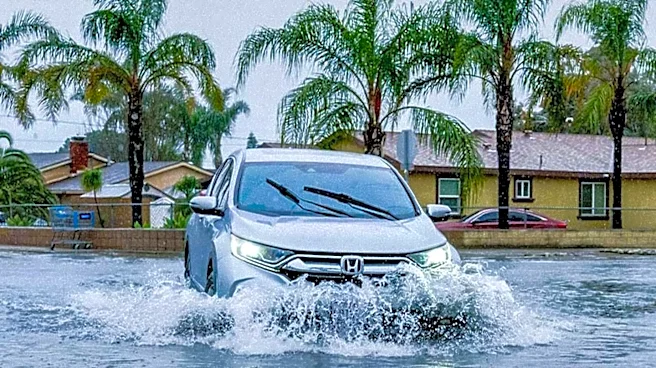
"A soaking rain from Tuesday night [Nov. 17] through Friday [Nov. 20] could total 2-4 inches across portions of Northern and Central California, raising the risk of urban and small-stream flooding," Glenny said.
In Southern California, the National Weather Service in Los Angeles warned that a storm system is on its way, "bringing moderate to heavy rain with totals of 1-3 inches across the region and 3-6 inches across the mountains and foothills."
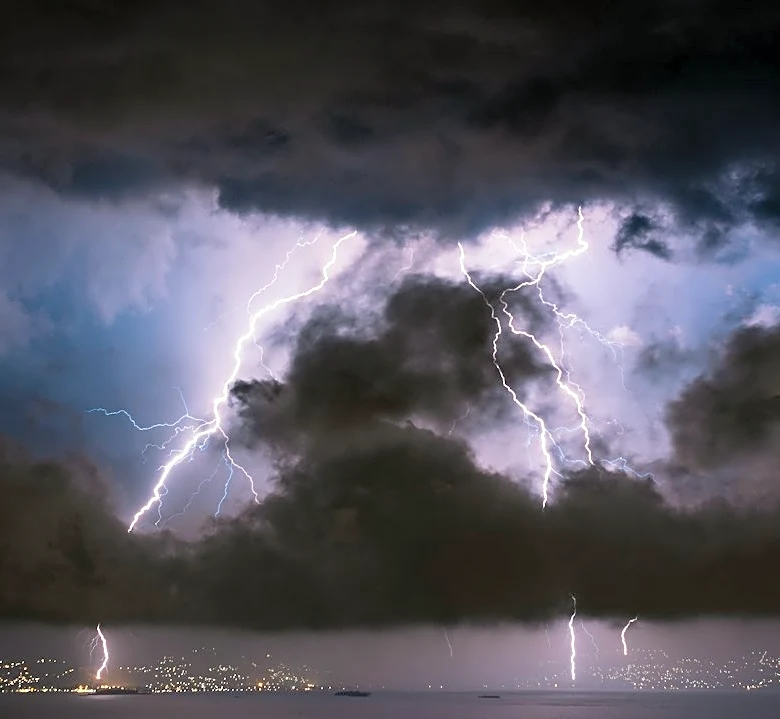
"There is a 10-20% chance of thunderstorms, with the threat of locally heavy downpours and downburst winds," the weather service said in an online forecast. There is a high risk for significant roadway flooding, a high risk for strong creek flows, and moderate risk for rockslides and mudslides."
Beach hazards
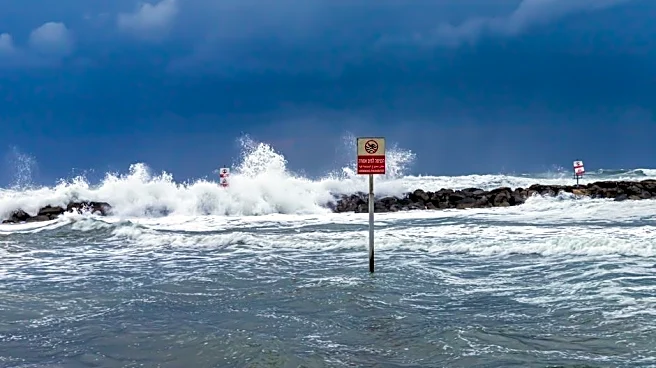
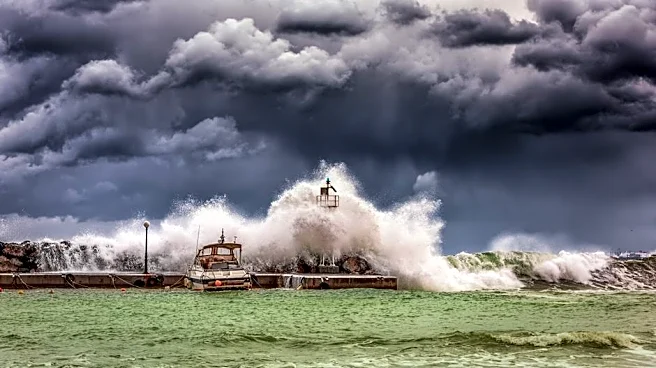
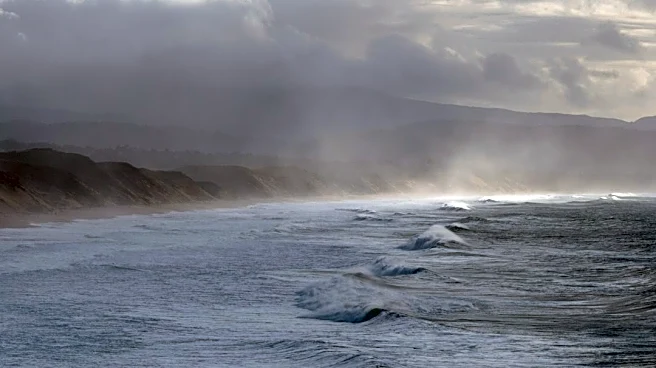
Dangerous surf, powerful rip currents, and sneaker waves are creating hazardous conditions along parts of the California coast, with forecasters warning that elevated tides could bring additional coastal flooding.
Huge waves have already pounded much of the Pacific Coast, damaging Monterey Bay’s historic Capitola Wharf, while floodwater as deep as 2 feet inundated Bay Area highways, and wind gusts up to 64 mph buffeted Sonoma County, reported CNN meteorologist Chris Dolce.
The weather service has issued beach hazard statements for several coastal regions, including beaches in Southern California and along the San Francisco Bay Area and Central Coast.
The threats vary by location, but officials are warning beachgoers to stay out of the water, avoid rocks and jetties, and remain alert for "sneaker" waves that can sweep across the shoreline with little warning.

Blizzard in the mountains?
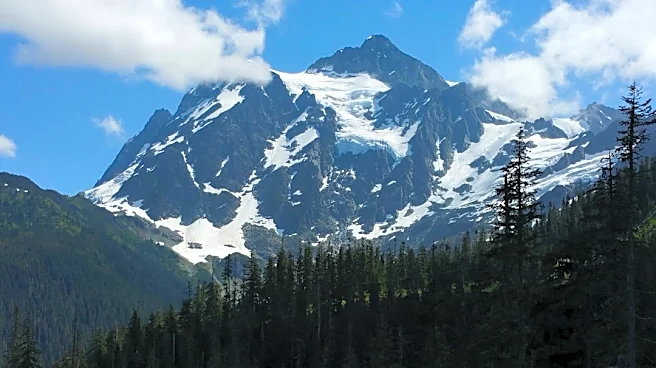
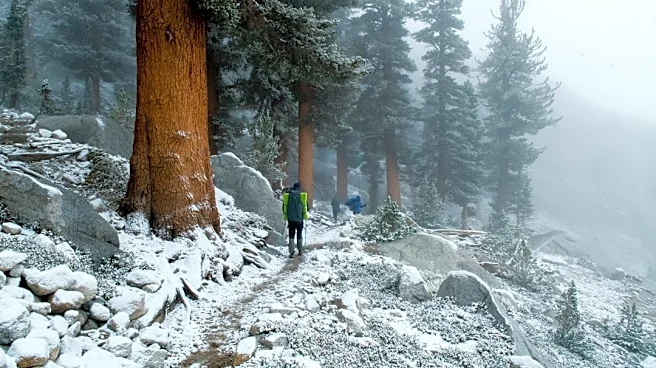
In the Sierra Nevada, snow will be measured in feet, not inches. While ski areas will welcome the "white gold," travelers will sing a different tune.
Overall, as colder air settles in, snow levels will drop, allowing snow to pile up at progressively lower elevations, AccuWeather predicts. "Several feet of snow are possible in the higher terrain of the Sierra Nevada from midweek into late week, which could make travel treacherous and lead to lengthy delays," Glenny said.
Combined with strong winds blowing in from the Pacific, the heavy snowfall could create blizzard conditions, she added. "Blowing snow may cut visibility to near zero, halt travel and cover roadways faster, posing challenges for road crews."
November trending wet in California
California weather expert Daniel Swain, in a post on X, said that "the odds of an unusually wet, and perhaps exceptionally wet, second half of November continue to rise in California:"
The odds of an unusually wet, and perhaps exceptionally wet, second half of November continue to rise in California. Model ensembles are trending even wetter, with potential for multiple waves of heavy precipitation in NorCal (and lesser but still substantial) precip in SoCal. pic.twitter.com/fgAEcJIRMm
— Daniel Swain (@Weather_West) November 14, 2026
What is an atmospheric river?
Often in the late fall and throughout the winter, you'll hear that "atmospheric rivers" are causing big weather problems along the West Coast. But what are they?
Made visible by clouds, these ribbons of water vapor extend thousands of miles from the tropics to the western U.S. At 250 to 375 miles wide, they provide the fuel for massive rain and snowstorms that can cause flooding along the West Coast.
In general, atmospheric rivers pick up water vapor from the warm, moist air of tropical regions and then drop the water over land in cooler regions as rain or snow.
These "rivers in the sky" are responsible for up to 65% of the western USA's extreme rain and snow events, a 2017 study said. And on average, up to 50% of the annual precipitation on the West Coast occurs in just a few atmospheric river events.
Though beneficial for water supplies, such events can wreak havoc on travel, bring deadly mudslides and cause catastrophic damage to life and property, the National Oceanic and Atmospheric Administration said.
Contributing: Brandi D. Addison, USA TODAY Network
Doyle Rice is a national correspondent for USA TODAY, with a focus on weather and climate.
This article originally appeared on USA TODAY: Powerful storm heads for West Coast. Rain, snow are just the beginning