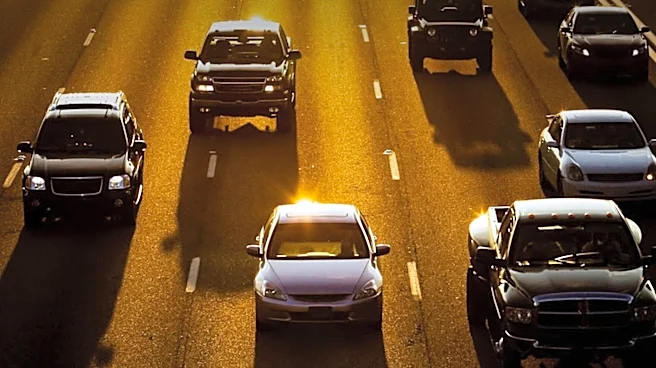

A new album may be a reason to turn up the volume, but new research suggests highly anticipated music releases could also coincide with an increase in traffic deaths.
Researchers from Harvard Medical School
and Mass General Brigham found that U.S. traffic fatalities were 15.1% higher on the release days of 10 of the most-streamed albums from 2017 through 2022 than on the 10 days before and after those releases. The study, published Aug. 17 in JAMA, estimated 139.1 traffic fatalities on major album release days, compared with 120.9 on surrounding days.
The research was inspired by Dr. Vishal Patel, a physician at Mass General Brigham and researcher at Harvard Medical School. Patel told CNN he realized he had drifted out of his lane while scrolling Spotify for songs from a new Taylor Swift album. The experience prompted him and his colleagues to investigate whether traffic fatalities increased when major artists released new albums.
The researchers analyzed 233,809 U.S. traffic fatalities recorded in the National Highway Traffic Safety Administration's Fatality Analysis Reporting System from 2017 through 2022. They compared fatalities on the release dates of 10 highly streamed albums with those during the 10 days before and after each release, adjusting for factors including the day of the week, federal holidays, week of the year and calendar year.
Music streaming surged on album release days
The researchers identified the 10 albums using Spotify data showing daily streams for the platform's top 200 songs in the US. The albums included releases by artists such as Taylor Swift, Drake, Bad Bunny, Harry Styles, Kendrick Lamar and Kanye West.
According to the study, daily streaming volume increased about 43% on the album release dates, rising from an average of 86.1 million streams on surrounding days to 123.3 million on release days.
The study found about 18 more traffic deaths on each major album release day than on surrounding days. Across the 10 release dates studied, researchers estimated that amounted to about 182 additional deaths.
The increase was larger among younger drivers and male drivers, according to the study. Researchers also found larger increases in crashes involving a single occupant, sober drivers, clear weather and vehicles equipped with infotainment systems.
Study does not prove music caused crashes
The findings do not establish that streaming music directly caused the additional deaths.
Patel told CNN that the researchers cannot determine from FARS data whether a driver was using a phone when a fatal crash occurred. Dr. Anupam Jena, a Harvard Medical School professor and study co-author, told CNN that several mechanisms could explain the findings, including drivers using their phones to access new music, interacting with infotainment systems or simply responding to the music.
Researchers also looked at other possible explanations, including travel to album release events and alcohol use. But because the increase in fatal crashes was greater among sober drivers and was not concentrated during nighttime hours, they concluded that those factors were unlikely to be the main cause.
To make sure the findings weren't due to chance, researchers conducted additional analyses. The increase in traffic deaths remained when they looked only at Friday album releases, and randomly selected dates did not show the same pattern. Researchers also found that 9 of the 10 albums studied had more traffic fatalities on their release days than on comparable days without an album release.
How drivers can avoid distractions
To help reduce distracted driving, the CDC recommends putting away potential distractions before getting behind the wheel. Drivers should avoid activities such as adjusting mirrors, selecting music, eating, making phone calls, or reading texts and emails while driving, instead waiting until they have safely reached their destination.
Passengers can also help prevent distracted driving by speaking up if a driver loses focus and assisting with navigation or other tasks to minimize distractions.
For parents of teen drivers, the CDC recommends discussing the responsibilities of driving, emphasizing that it requires a driver's full attention and reminding teens that phone calls and text messages can wait until they arrive. Parents should also familiarize themselves with their state's graduated driver licensing system and distracted driving laws, set clear consequences for unsafe behavior and model safe driving habits themselves.
Reporter Anthony Thompson can be reached at ajthompson@usatodayco.com, or on X @athompsonUSAT.
This article originally appeared on USA TODAY: Study links album releases to traffic deaths