








A suspected case of pneumonic plague in Russia continues to raise questions after a laboratory worker at a plague research institute became ill and died.
About 200 people who may have been exposed were quarantined as a precaution, officials say.
But what exactly is pneumonic plague, and should people in Pittsburgh be concerned? Here's what to know.
Is Pittsburgh at risk of seeing cases of pneumonic or bubonic plague?
The likelihood of the Russian incident leading to cases in the U.S. and Pittsburgh is low, according to experts. An infectious disease physician told USA TODAY that the risk of spread to the United States is "negligibly low."
Antibiotic treatment is effective against plague bacteria, so early diagnosis and treatment can save lives, according to the World Health Organization.
Dr. Rutul Dalal, an infectious
disease physician at Penn State Health St. Joseph Medical Center in Reading, Pennsylvania, told USA TODAY that unlike the early days of COVID-19, doctors already have effective treatments available.
"We have antibiotics for treatment and for prophylaxis, and if given within the first 24 hours of symptoms, has an excellent track record of having great results," Dalal said. "That contrasts greatly with the start of the COVID-19 pandemic, when we didn't have a vaccine or medication yet to combat it."
What is plague? The 3 types – bubonic, pneumonic and septicaemic – explained
Plague is a serious bacterial disease caused by the bacterium Yersinia pestis, according to the World Health Organization. It usually spreads among wild rodents and fleas, but humans can become infected through flea bites, infected animals or respiratory droplets from someone with pneumonic plague.
There are three main types of plague:
- Bubonic plague: The most common form, usually spread by infected flea bites.
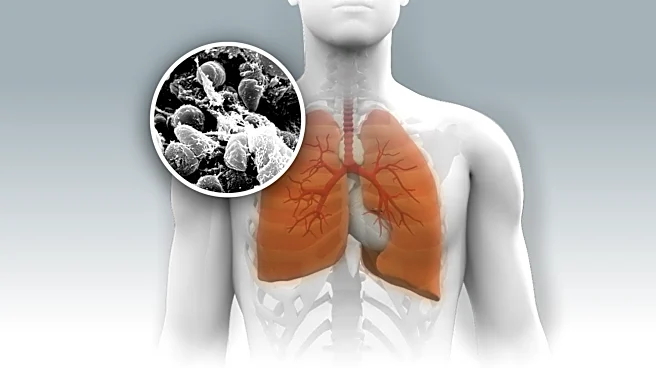
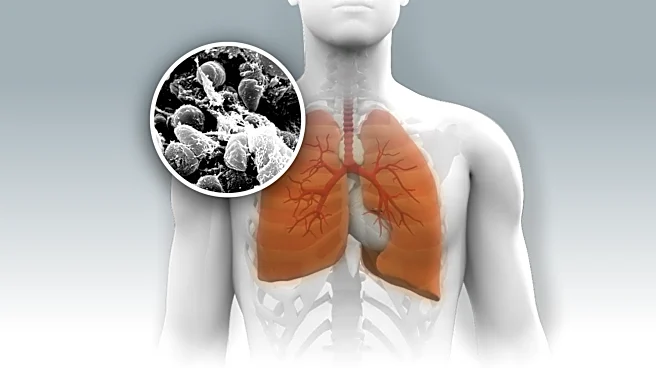
- Pneumonic plague: A lung-based form of plague that can spread from person to person through respiratory particles.
- Septicaemic plague: A bloodstream infection that can become life-threatening without treatment.
What are the symptoms of plague?
Signs and symptoms can differ by the type of plague. Symptoms can include:
- Pneumonic plague: Cough, shortness of breath, severe pneumonia and sometimes bloody mucus. Symptoms can appear within 24 hours.
- Bubonic plague: Fever, chills, body aches, weakness and swollen, painful lymph nodes.
- Septicaemic plague: Bleeding under the skin, tissue damage, organ failure and severe breathing problems.
Has plague been seen in the United States?
Yes. But only a few cases are reported in the U.S. each year, according to Cleveland Clinic.
Throughout history, there have been severe outbreaks of plague. It still exists today, but it's very rare. Worldwide, 1,000 to 2,000 people are diagnosed with plague every year.
Is the plague contagious? How the illness spreads between people
Pneumonic plague can spread from person to person. It spreads through respiratory droplets from someone who is sick and coughing, usually requiring close contact. It is the only form of plague that readily spreads between people.
Can plague be prevented or treated?
Plague is both preventable and treatable, especially when recognized early.
Plague is treated with antibiotics, and early treatment is critical. The World Health Organization states that antibiotics and supportive medical care are highly effective when started promptly.
The World Health Organization does not recommend routine vaccination for the general public. Vaccination is generally reserved for certain high-risk groups, such as laboratory workers who handle plague bacteria and some healthcare personnel with ongoing exposure risk.
This article originally appeared on USA TODAY: Could Pittsburgh see cases of pneumonic plague? Rare disease explained