



With gas prices remaining elevated as the year approaches its back end, carmakers have gone all in on hybrids and their customers appear to be receiving them well.
In the first half of 2026, 22% of shoppers said they would consider a hybrid vehicle, which was up from 20% in 2025, according to Kelley Blue Book. By comparison, only 10% of car shoppers said they would consider buying a fully-electric model during the first half of 2026, according to the group.
"While durability and safety remain the most influential purchase considerations across all shoppers, affordability and fuel economy have become increasingly important over the past five years. Driving performance also has grown in importance among non-luxury shoppers," Kelley Blue Book said.
In 2025, there were 13,929,600 non-plug-in hybrid vehicles and 1,765,700 plug-in hybrids vehicles registered on U.S roads, according to the U.S. Department of Energy's Alternative Fuel Data Center. By comparison, the agency said their were 5,689,100 fully electric cars and over 240 million gas cars registered in the nation last year.
With that in mind, the USA TODAY Cars teams took a look at why carmakers are pumping out more hybrids than ever, what it means for the U.S. automaker and you as a car shopper.
Why are carmakers turning more than ever to hybrids?
Carmakers are selling more hybrids than ever because as several them cut back on their EV production at the start of President Trump's administration, the hybrids they were already making became more attractive to consumers as the salience of fuel efficiency increased for car shoppers.
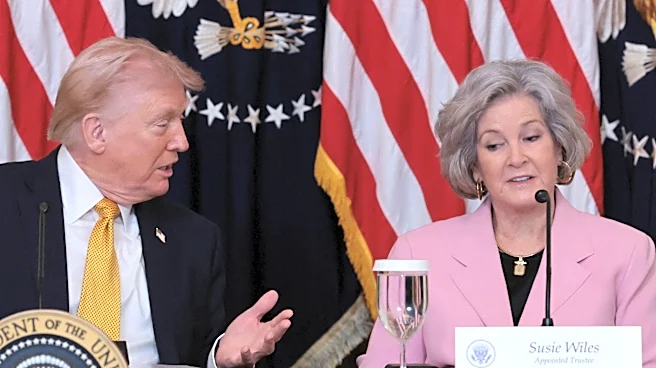
At the start of the second Trump administration, the White House and Republicans in Congress moved to eliminate the popular $7,500 EV tax credit that was offered by federal government since the tail end of former President George W. Bush's administration. Trump also moved to cut funding for electric vehicle chargers that was approved by former President Joe Biden.
Carmakers reacted to the shifting headwinds in Washington by cutting back on many of their plans to introduce new electric models. But automakers that have been marketing hybrids for years like Honda, Toyota, Hyundai and Kia and already had them ready years as gas prices have surged have reaped the benefit.
- Kia noted in a Sept. 1 press release that sales of its hybrid models have surged 99 percent in 2026 over its levels from 2025.
- Hyundai similarly noted, also in a Sept. 1 press release, that its hybrid sales jumped to a record 33 percent.
- Honda also said in a Sept. 1 press release that it set an all-time August high for hybrid sales with over 36,000 cars sold.
- Toyota noted in an July 1 press release that it sold 383,091 "electrified" models, which included mostly regular hybrid and plug-in hybrid models because the company currently only offers one fully electric car, the Toyota bZ. Toyota said it offers 33 "electrified" models between its main brand and luxury Lexus line, including hybrid versions of most of its cars.
Toyota and Honda have started only making some of their sedan and crossover SUV nameplates like the Honda Prelude and Prologue and the Toyota RAV4 and Camry available as hybrids. Both companies also make hybrid versions of legacy sedans like the Honda Civic and Accord and Toyota Corolla.
What are shoppers gravitating to hybrid cars?
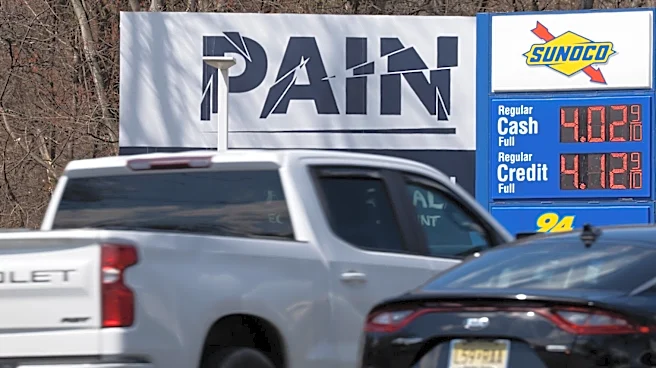
Record high gas prices have driven shoppers to consider hybrids a lot more.
The average price of gas on Friday, Sept. 18 was $4.46, according to AAA. That's up from an average of $4.29 one week ago on Sept. 11, and an average of $3.20 on Sept. 18, 2025.
Despite those increases, polls show there is still hesitancy among some drivers about going fully electric.
Car buyers have been telling pollsters for years that they have major concerns about the battery range of electric cars. The concern has bubbled up so often that it has been dubbed "range anxiety."
According to new poll released on in January 2026 by the EVs for All America group, which is an advocacy group that works with car manufacturers to push U.S. and state lawmakers to adopt EV-friendly policies, 20% of 600 respondents to a poll intended to survey potential EV buyers in 2025 said their top concern about plug-in models is the charger networks being unreliable.
The same poll showed 65% of respondents said they would rather charge their batteries at home for a seven-to-eight-hour period to achieve a full charge, while only 29% said they would rather opt for a 30-minute charge at a public facility that would achieve 80% battery life.
That's where hybrids come in. Most regular hybrids have batteries that get their power from regenerative braking, according to Edmunds, meaning drivers don't have to worry about hooking up to a charger at all. Hybrid cars operate on battery usually for shorter, low speed portions of the trip and switch to gas when necessary for longer, higher speed trips. Some hybrid cars can get over 500 miles per gallon on a single tank.
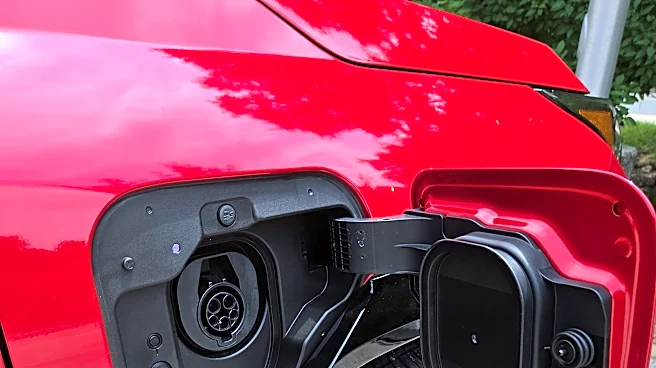
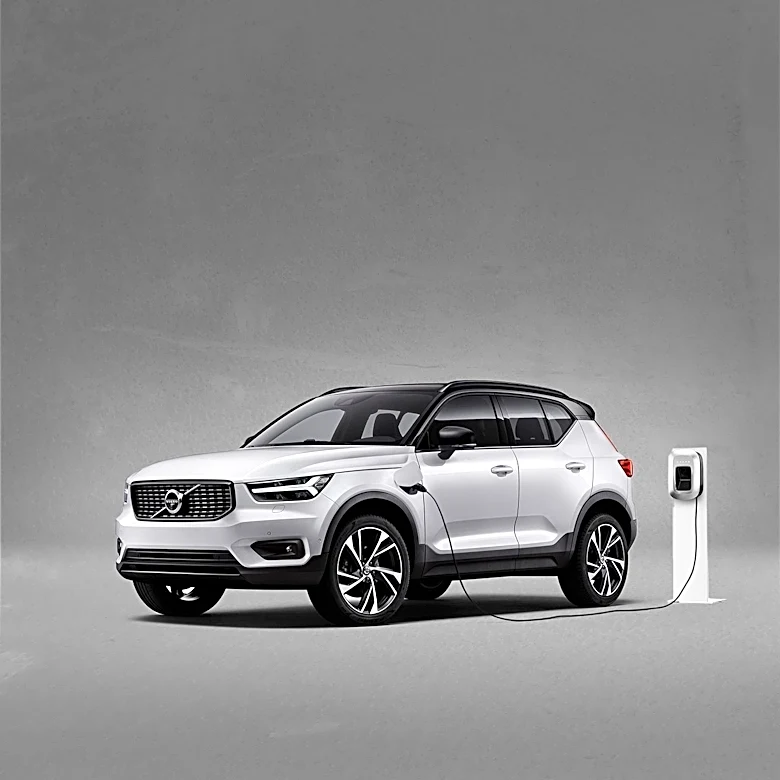
Plug-in hybrid electric vehicles, or PHEVs as they are sometimes referred to, usually have a significantly larger battery pack that allows the car to be operated on electric power for stretches of time that can last about 40 to 50 miles, according to Edmunds. A plug-in hybrid drives like a fully electric car until the battery gets low, then switches to gas power until the battery is recharged.
Plug-in hybrids have been seen as compromise option for people who want to experience electric driving, but are not ready to commit to driving a fully electric car.
Edmunds said plug-in hybrids generally have smaller batteries than fully electric cars, they are often easier to charge.
"Fortunately, since a plug-in hybrid battery is a lot smaller than an electric vehicle's battery pack, you can use the charging cord that comes with the vehicle and plug it into a regular 120-volt outlet (the same type that powers and charges most home electronics)," the website said.
Keith Laing is an automotive reporter on the National Trending Desk at USA TODAY. Contact Keith at klaing@usatodayco.com.
This article originally appeared on USA TODAY: Here's why carmakers are all in on hybrids, and what it means for you