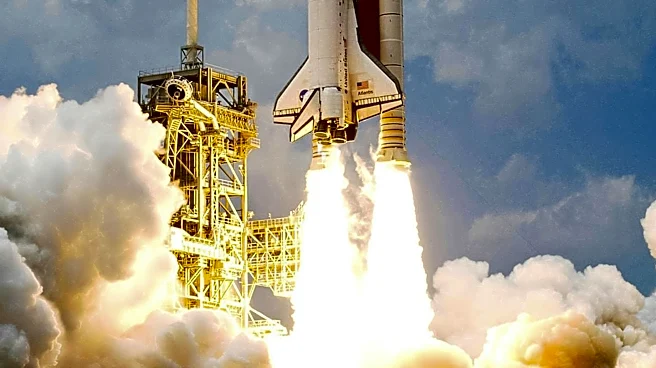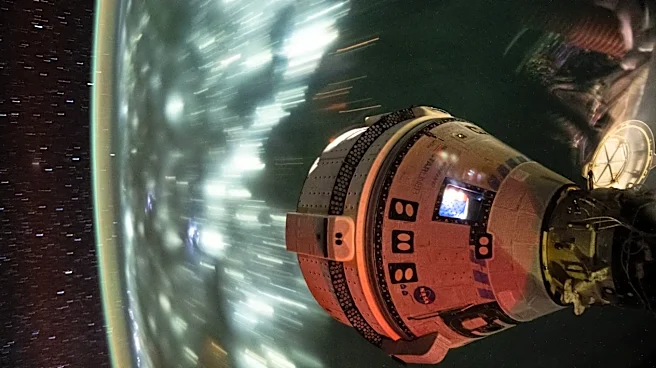





The infamous Boeing Starliner spacecraft, which has not flown since a June 2024 mission ended in near-disaster, could fly again before 2026 comes to an end.
The Starliner saga dominated headlines for months between 2024-2025 when issues with the spacecraft prolonged the stay of the two astronauts who crewed it on a test mission to the International Space Station. The vehicle returned to Earth empty, while its crew remained behind at the orbital outpost before hitching a ride home in March 2025 with Boeing's SpaceX competitor.
Despite the botched mission, NASA has not yet given up hope on Boeing. Instead, the two entities have worked on plans to get the Starliner capsule off the ground once again as the U.S. space agency looks to add a second commercial
vehicle to its roster capable of taking astronauts to space.
"We have worked closely with Boeing to address the issues identified on previous Starliner flights, and we intend to see this vehicle return to flight," NASA Administrator Jared Isaacman said in a statement.
Here's everything to know about the Boeing Starliner, and when the spacecraft could launch on another NASA flight test.
What is the Boeing Starliner?

Designed and built by aerospace contractor Boeing, the Starliner spacecraft is being developed to ferry both astronauts and supplies to and from the International Space Station.
The objective is for NASA to be able to certify Starliner as the second operational vehicle capable of reaching the ISS before the station is retired by 2030. The missions would be contracted under the U.S. space agency's commercial crew program, under which NASA pays private companies to conduct orbital spaceflights using their own commercial vehicles.
SpaceX has already been making routine trips since 2020 to the space station under the program using its Dragon capsule. Standing nearly 27 feet tall and about 13 feet wide, Dragon capsules can carry up to seven astronauts into orbit, though most of the SpaceX Crew missions feature a contingent of four.
NASA, Boeing target uncrewed Starliner flight
The next Boeing Starliner mission is targeted for either December 2026 or January 2027, NASA and Boeing have both announced.
But before NASA puts astronauts back on board, the agency is working with Boeing on an uncrewed mission it refers to as Starliner-1, which would send the vehicle to the space station with nothing but cargo. That would allow teams to "validate the improvements made to the spacecraft and gather the flight data we need," NASA said in a Sept. 28 press release.
Boeing has implemented improvements and upgrades to the Starliner – most targeting issues with its service module thrusters – since the last ill-fated flight, largely based on recommendations contained in a scathing report released in February.
The upgrades reflect "a strong, safety-first partnership between the company and the agency and underscores NASA and Boeing’s continued commitment to Starliner as a longterm human spaceflight provider to the ISS and future low-Earth orbit destinations," Boeing said in a statement.
Astronauts could ride to ISS on Starliner in 2028
The next time astronauts could ride on the Boeing Starliner to the space station would then be no earlier than sometime in 2028.
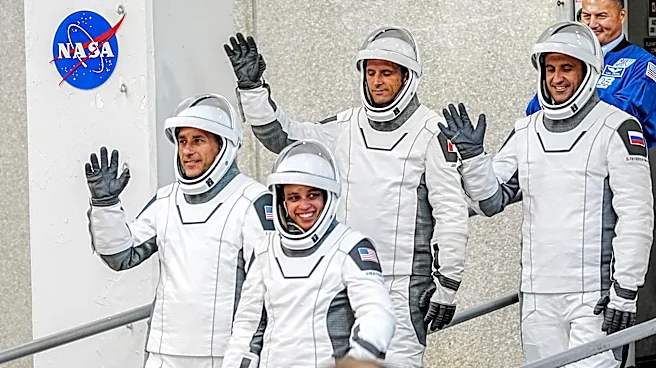
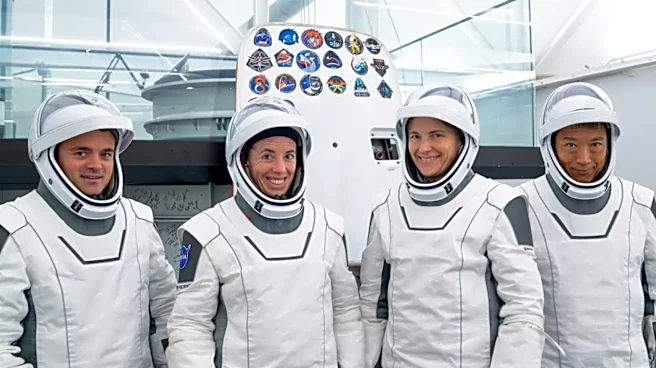
NASA has not yet announced which of its astronauts would crew the mission, known as Starliner-2. The previous crewed test flight, though, had just two astronauts on board.
NASA to certify ULA Vulcan for future Starliner missions
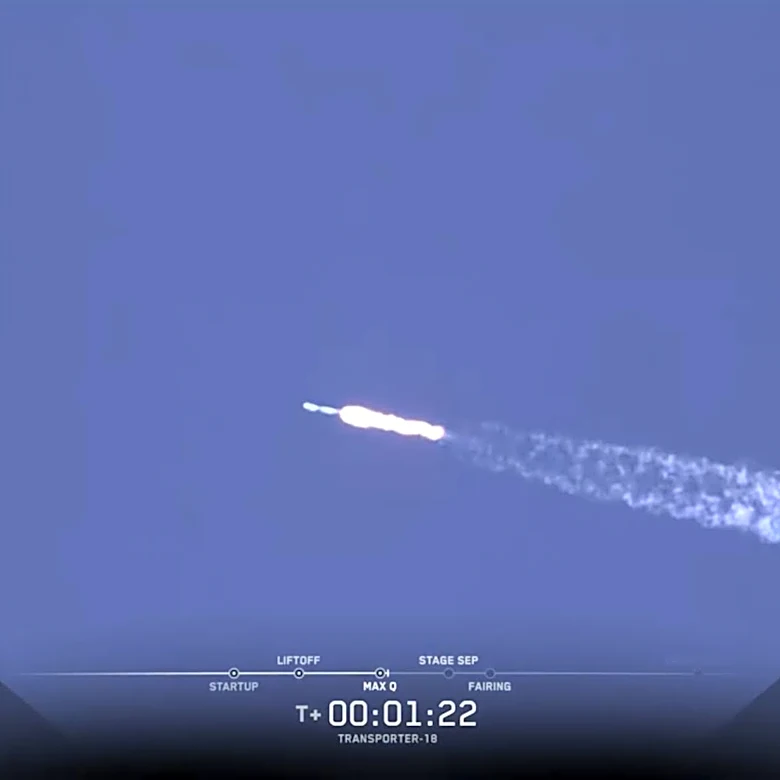
NASA also announced it is working with Boeing to certify a new rocket for future Starliner missions. The last Starliner vehicle to reach space hitched a ride on an Atlas V rocket, which the United Launch Alliance is aiming to retire.
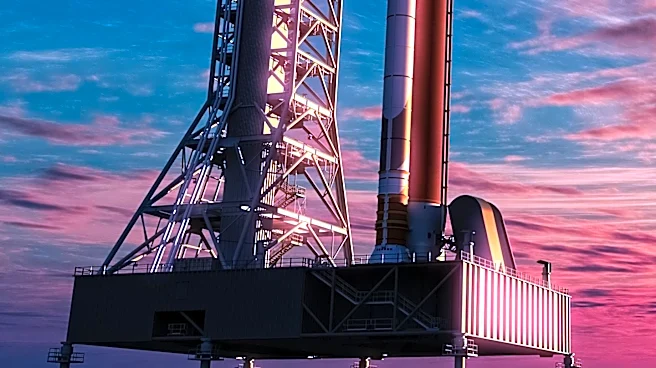
Future Starliner missions, though, will rely on the new Vulcan rocket. The launch vehicle is envisioned to become the new workhorse of the ULA – a joint venture between Boeing and Lockheed Martin.
Standing at 202 feet tall when fully stacked, the Vulcan is designed to fly with anywhere from zero to six solid rocket boosters in addition to the main 109-foot-tall booster. Vulcan also has a 41-foot Centaur V upper-stage equipped with two engines of its own that make more complex missions to extreme orbital heights possible.
But the Vulcan has not launched since Feb. 12 when it encountered an anomaly in which sparks were observed coming off the rocket during its fourth-ever flight from Florida.
Previous Boeing Starliner mission ended with 'stuck' astronauts
NASA astronauts Butch Wilmore and Suni Williams rode to the space station in June 2024 aboard the Starliner, which launched atop an Atlas V rocket from the Kennedy Space Center in Florida.
Though the astronauts were expected to remain at the orbital laboratory for up to 10 days, issues with the Starliner spacecraft delayed their return. NASA ultimately decided to have the Starliner vehicle undock and return to Earth without its crew, leaving Wilmore and Williams in need of a ride.
The pair of astronauts then returned in March 2025 on a SpaceX Dragon capsule, which had reached the space station in September 2024 with a mission known as Crew-9.
Both NASA astronauts who crewed Starliner retire
Wilmore and Williams have both since retired, making the ill-fated Starliner mission their last as NASA astronauts.
Wilmore was the first to retire in August 2025 following a 25-year career as a NASA astronaut. Williams then announced her retirement from NASA in January 2026 after more than 27 years with the U.S. space agency.
Eric Lagatta is the Space Connect reporter for the USA TODAY Network. Reach him at elagatta@usatodayco.com
This article originally appeared on USA TODAY: NASA hasn't given up on Boeing Starliner. Here's what's next