

The world just got a little less glittery.
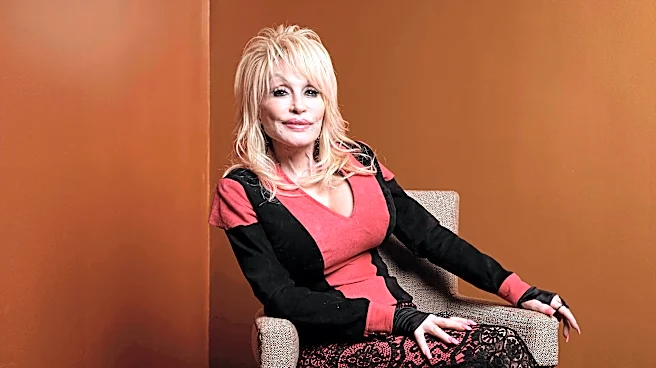
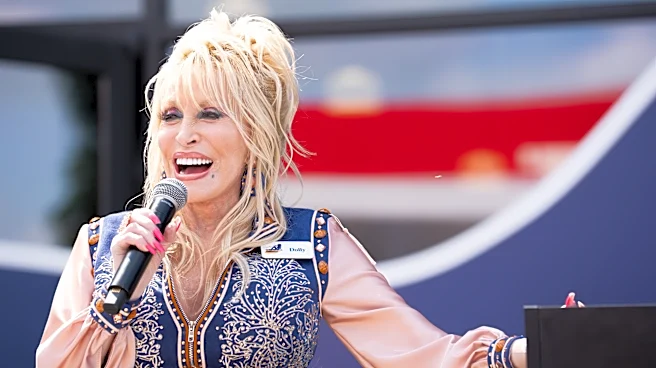
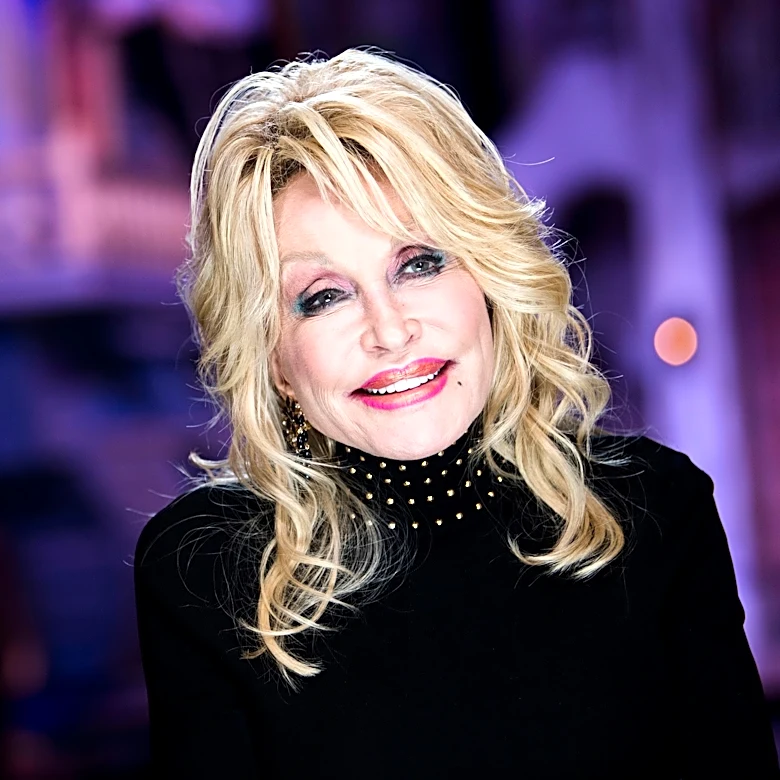
On Aug. 25, the family of Dolly Parton announced that the singer, philanthropist and all-around icon had died at 80 years old after a series of recent health concerns. In a video published to Parton’s social media accounts
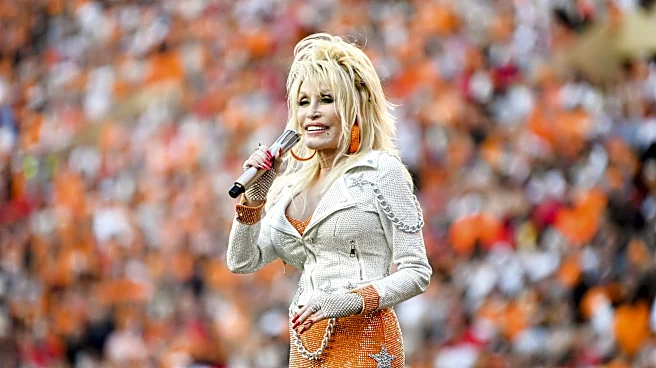
, Bryan Seaver, her nephew and head of security, said the country music legend “made and changed history,” noting that she was finally reunited with her late husband, Carl Dean.“Dolly called me and said she wants to rest in a beautiful bed of plush cotton because after a life wearing heavy rhinestones, she finally deserves to be comfortable and have some rest,” Seaver said.
Parton, a 5 feet force of nature from Locust Ridge, Tennessee, was someone who transcended political, generational
and regional divides.
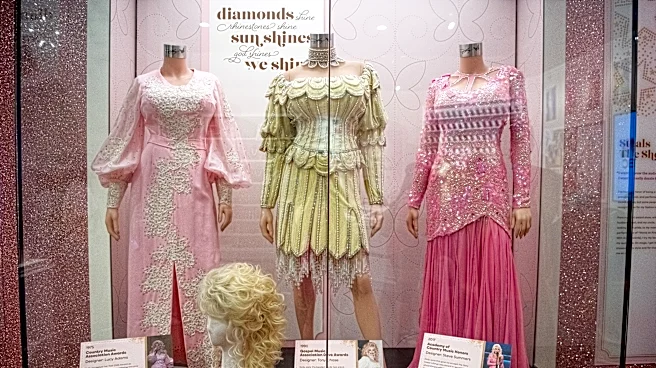
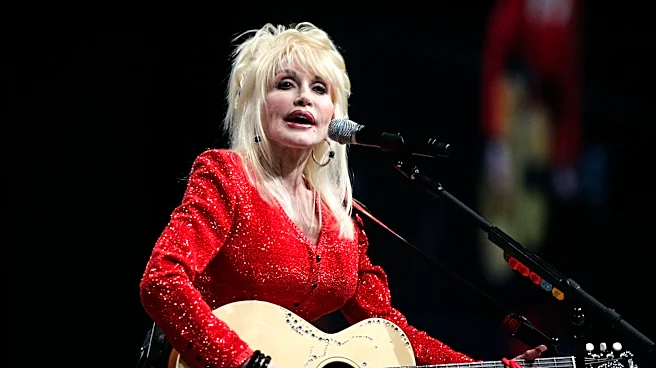
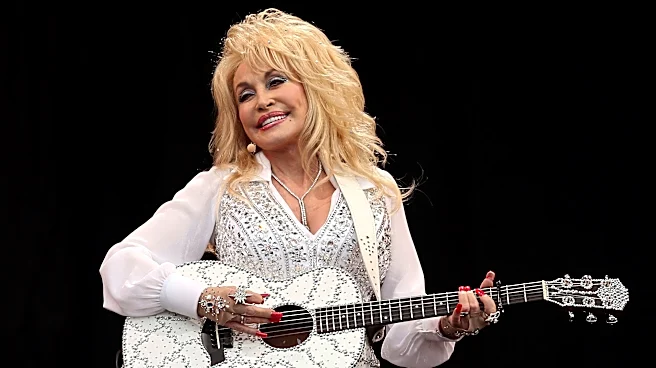
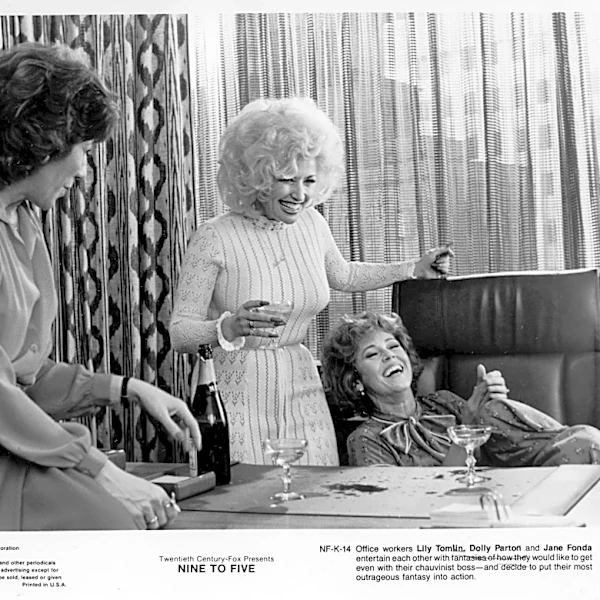
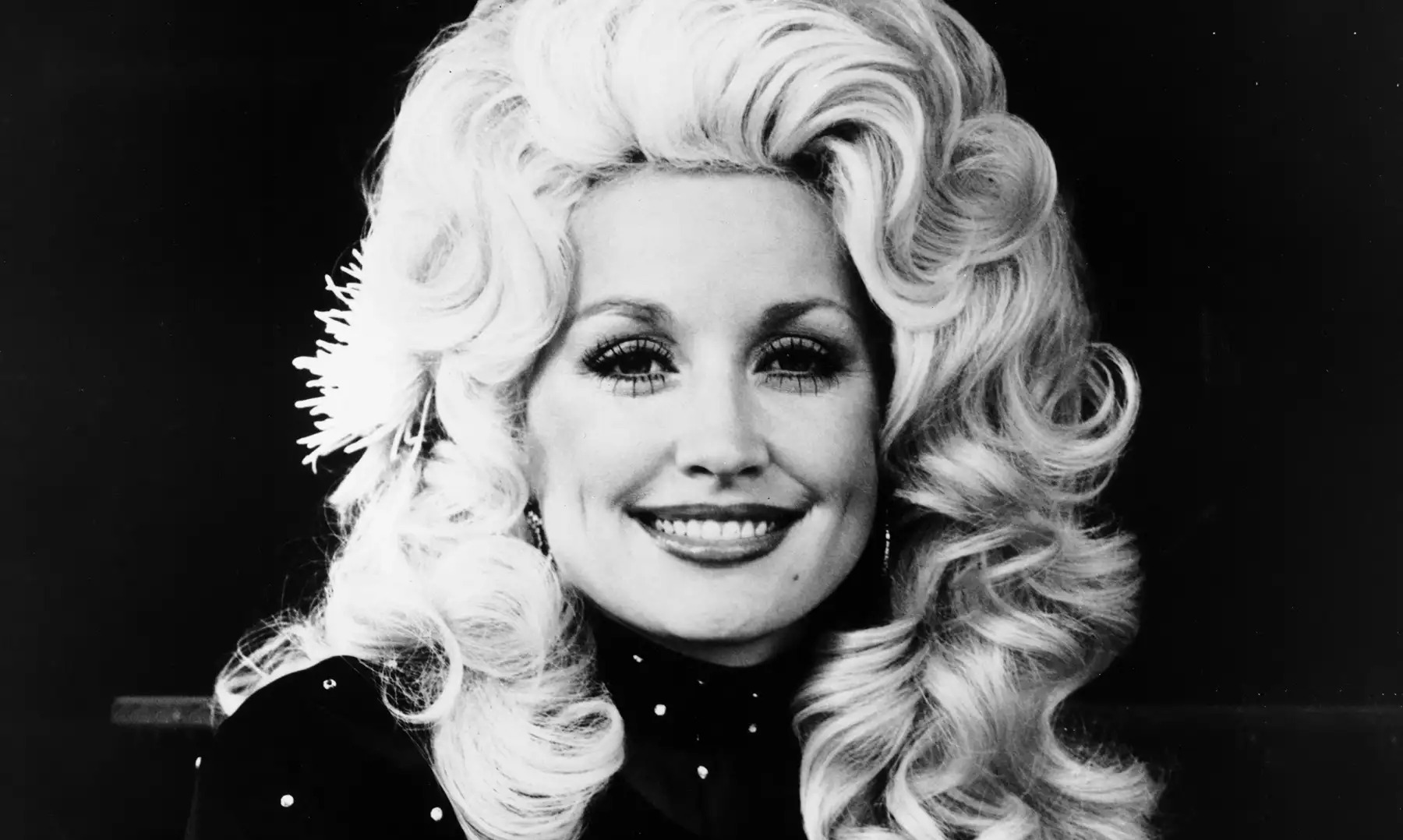
Her impact on Southern culture, and American culture more broadly, is undeniable. Her ability to tell stories through her lyricism made her one of the sharpest songwriters of the past century. Her acting credits in "9 to 5" and "Steel Magnolias" showcased her quick wit and emotional depth. Her business and philanthropic endeavors made it clear she was both smart and sincere. She was able to break off from "The Porter Wagoner Show" in 1974 and stake her claim in a music scene dominated by men, never losing her charm or her big blond hair.
She was one of one. Her life story should be taught in schools, and her impact globally can't be overstated.
But for those of us who grew up in Appalachia, or in the South in general, Parton was one of our proudest cultural exports. My Instagram feed was overflowing with images of the country music legend from the moment she died, mainly from other LGBTQ+ people for whom Parton was more than a singer.
Dolly Parton helped me embrace my real Southern roots
I grew up in the shadow of the Blue Ridge, on the North Carolina side of the mountains where Parton was raised in. Our upbringings were not similar – Parton often spoke of growing up in a small cabin with 11 siblings, an experience I did not have.
Yet Parton was a unifying figure – no matter your politics, we could all agree on her.
As a child, I was never proud of being from the South, especially the rural South. I was an outspoken bisexual girl with a Spanish last name. It was a place I wanted to escape, so that I could be my true self. When I went to college, I felt defined by where I was from – not a city kid, but a mountain kid. It was then that I started missing where I was from.
The first drag show I ever attended was for Parton’s birthday, at an LGBTQ+ bar called The Pinhook in Durham, North Carolina, my senior year of college. It was my first time interacting with a community that now feels like home. Parton was well-known for her support of the LGBTQ+ community. In 2016, when my home state passed an anti-trans bathroom bill, Parton went on CNN to speak against it.
“I think everybody should be treated with respect,” she said at the time. “I hope that everybody gets a chance to be who and what they are.”
As I have grown more familiar with Parton’s discography over time, I found solace in her love, her humor and her pain. I went to Dollywood after graduation and found myself charmed by the artisanal goods and butterflies everywhere.
Parton and I spoke the same language, a language only people from Appalachia can understand. It is through Parton that I was able to connect with my Southernness, my ruralness, in a way that didn’t feel like it denied part of who I was.
I hope Dolly Parton's kindness carries on through her fans

When I try to imagine heaven, I imagine the Appalachian Mountains. I imagine a soft wind on the pine trees, a patch of wildflowers in a craggy garden untouched by human hands, a robin’s song breaking through the open sky, the sun spots in the graveyard where we buried my grandmother.
Parton described similar feelings of peace in the 1973 single “My Tennessee Mountain Home”: “In my Tennessee mountain home / Life is as peaceful as a baby's sigh.”
But I also know that Appalachia is not a dreamy retreat for all who live there. It is harsh, and the persistence of the undead Confederacy and Make America Great Again flags that fly in the hollows where I grew up made it difficult to feel like it was a permanent home. It’s hard when a place that feels like it has grown into your bones does not accept you, or makes you feel different in any way.
Parton was an antidote for that.
She was a universally beloved figure who left behind a legacy as kind as it was vast. While yes, her story is also defined by her willingness to sidestep important political conversations at times, she was outspoken when it counted – like when she helped fund the COVID-19 vaccine and took a video of herself receiving the shot. She was outspoken about literacy rates and helped provide children with books through the Dolly Parton's Imagination Library. She embodied Southern values at their best, prioritizing love and acceptance over divisive rhetoric.
Parton made me feel proud to be from Appalachia. I hope her fans continue to embody the values of love and kindness that she held dear.
Follow USA TODAY columnist Sara Pequeño on Bluesky: @sarapequeno.bsky.social
This article originally appeared on USA TODAY: I wanted to escape the South. Dolly Parton helped me love it. | Opinion