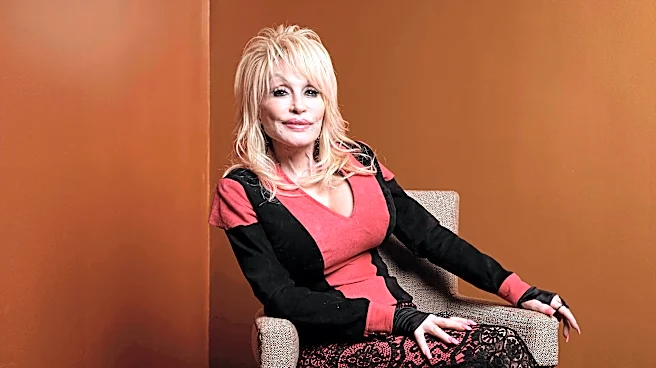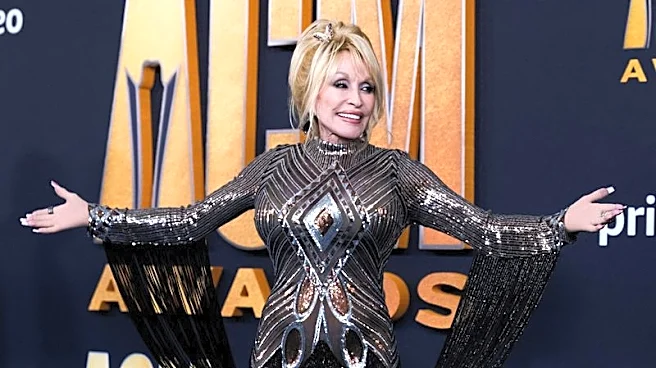


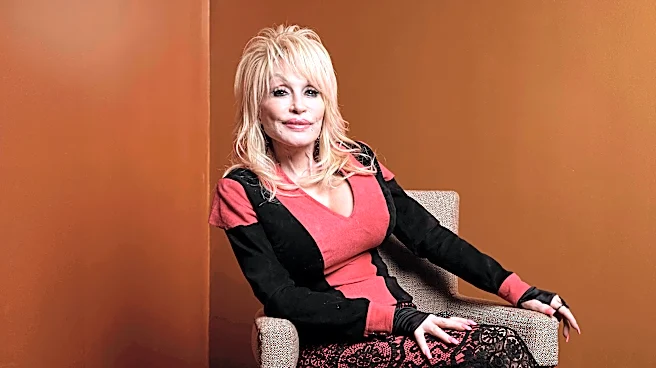
WHITESBURG, KY – The high-school gymnasium in my rural coal-mining community was packed to the rafters the night Dolly Parton brought her guitar to town.
Some things in life you never forget. Your first concert is one of them – especially when you're 6 and you're watching the spectacle that was a young Dolly Parton.
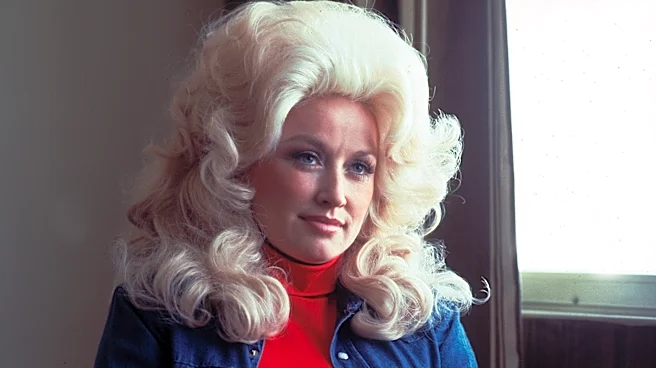
It was 1968. Dolly was already a household name among country music lovers, like my family, but far from the global icon she would later become.
The night she came to town, she wasn’t even the star of the show. She was the opening act for Porter Wagoner, a flashy performer with a towering blond pompadour and an endless collection of rhinestone-studded stage costumes. A year earlier, Wagoner had hired Parton to work as his “girl singer,”
as talented women employed by lesser-talented men were dismissively called in those days. She traveled the country as part of his touring road show and appeared weekly on his half-hour television program syndicated across the South.
So when Porter and Dolly rolled into Whitesburg, Kentucky, aboard their custom tour bus, it was a major cultural event.
I’d never been to a concert before, but I’d been surrounded by music my entire young life. My father was a coal miner and a talented musician who would later perform in several local bluegrass bands. We counted down the days until the big event, then eagerly took our places in fold-up chairs just a few feet from the makeshift stage on the squeaky gym floor.
Porter might have had top billing that night. But, for me, Dolly stole the show.
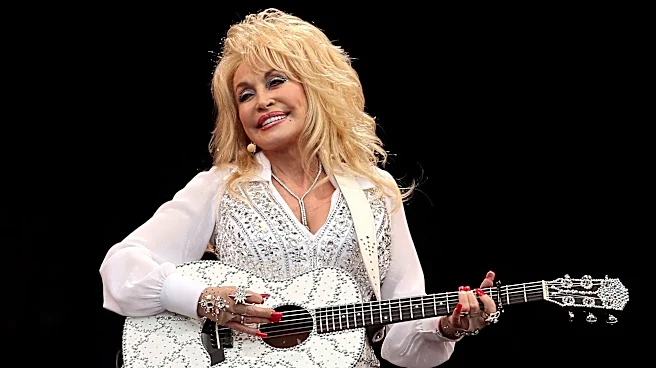
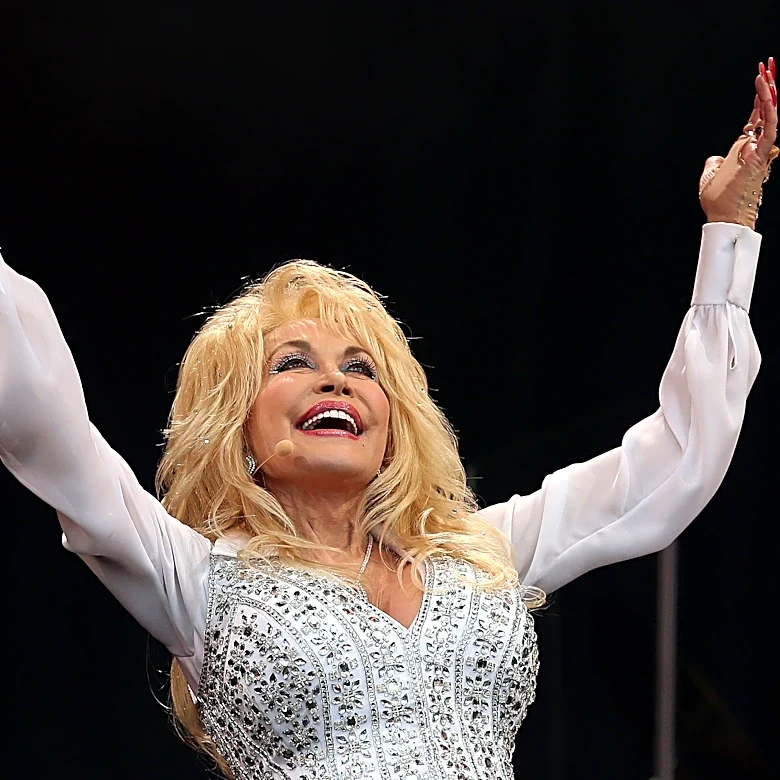
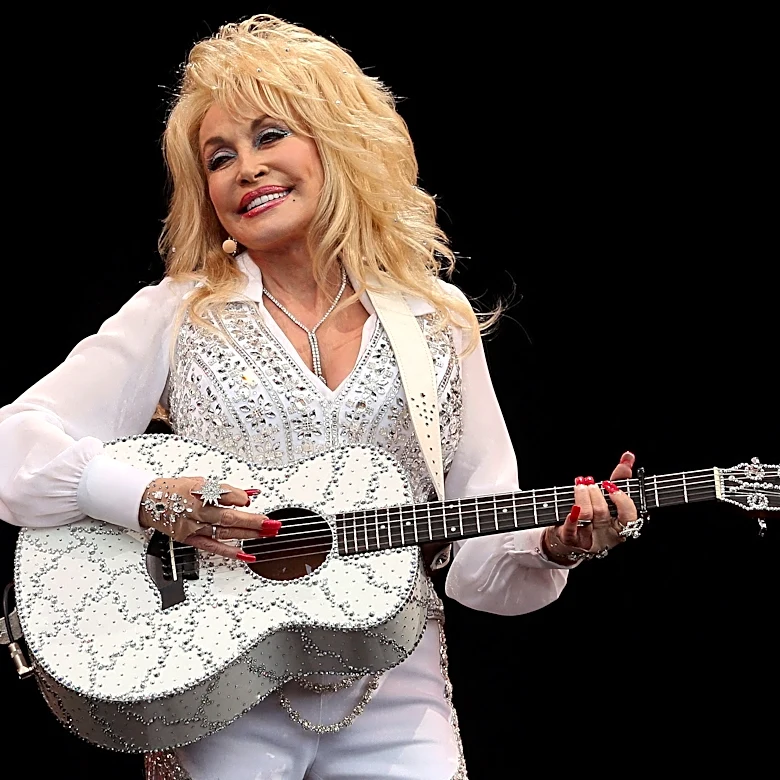
She appeared like a vision in a white dress, blond hair piled high, strolling across the stage with her guitar at her waist. She sang her first hit, “Dumb Blonde,” about a woman who warns the world not to underestimate her because of her peroxide hair. (“This dumb blonde ain’t nobody’s fool,” she sang.)

She belted out another catchy tune, “Something Fishy,” about a woman who suspects her no-good husband is cheating on her while he’s supposedly out fishing with the boys. (“I don’t think you’re a fisherman, honey, I think you’re a flirt.”)
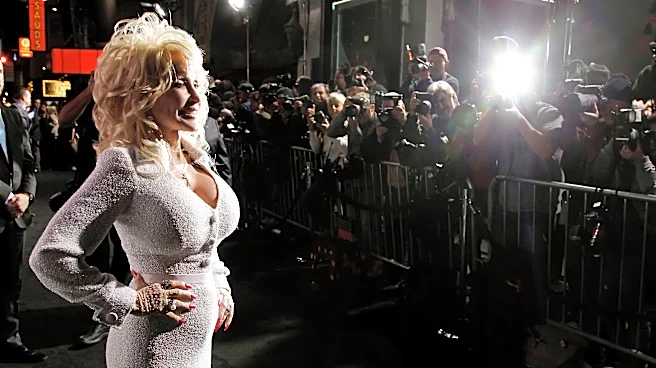
After the show, Porter retreated to the privacy of their tour bus. But Dolly stayed on stage, signing autographs, chatting with fans, forever smiling as popping flashcubes signaled someone had snapped another souvenir.
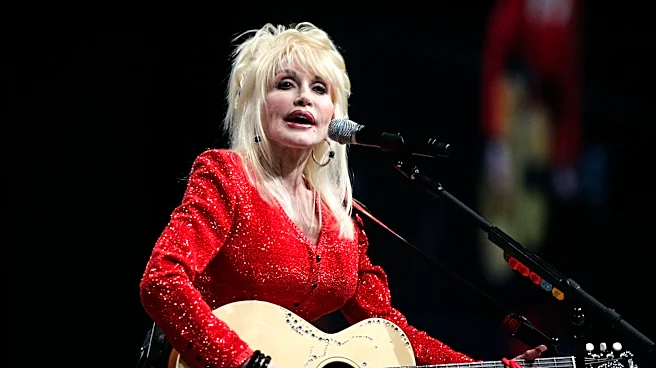
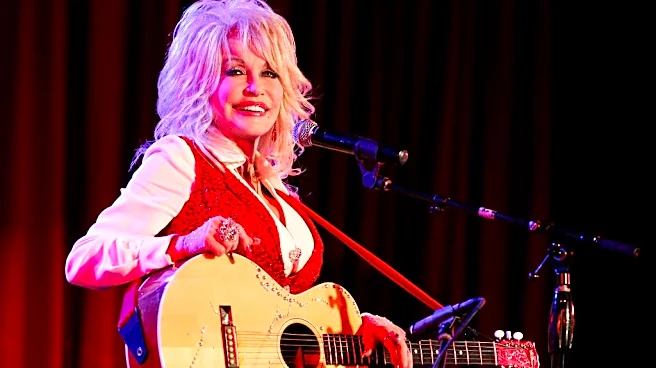
I would see Dolly in concert seven more times over the coming years. She became what show business calls a multi-hyphenate, a performer who excels at many things: Singer. Songwriter. Actress. Producer. Playwright. Author. Theme-park owner. Philanthropist.
Dolly Parton was all those things, and more. She was a beloved figure whose appeal crossed political and cultural boundaries.
Audiences at her concerts were always a curious collection: blue-haired ladies alongside punk rockers. Parents with children seated next to gay couples. Drag queens in big Dolly wigs and sparkly rhinestones, watching from the front row. (“I see we’ve got us a Dolly lookalike – and I think it’s a boy!” she exclaimed during a concert in Washington, DC, a few years back.) She swears she once entered a Dolly drag queen contest in L.A. and lost.
Other performers weren’t shy about sharing their political opinions with the world. Dolly kept them to herself. She twice turned down the Presidential Medal of Freedom during Donald Trump’s first term and made it known that she’d reject any similar overtures from Joe Biden. She once said her father was a Republican, her mother a Democrat and she a hypocrite.
Because she steered clear of easy labels, we all considered her one of us. The New York Times once published an article about the “magical mysteries of Dolly Parton.” The headline: “Is There Anything We Can All Agree On? Yes: Dolly Parton.”
I never met Dolly. The closest I ever got was a few years ago when I was working as a regional reporter in Tennessee. A blogger claimed Dolly had gone on a Tennessee radio station and trash-talked Bob Corker, one of the state’s Republican senators at the time. Because Dolly was notoriously apolitical, I knew this was news if it was true.
I phoned one of Dolly’s people for comment. He was immediately skeptical but promised to check it out. An hour later he called me back and said, “Dolly has no idea what you’re talking about.” (The report was a hoax.)
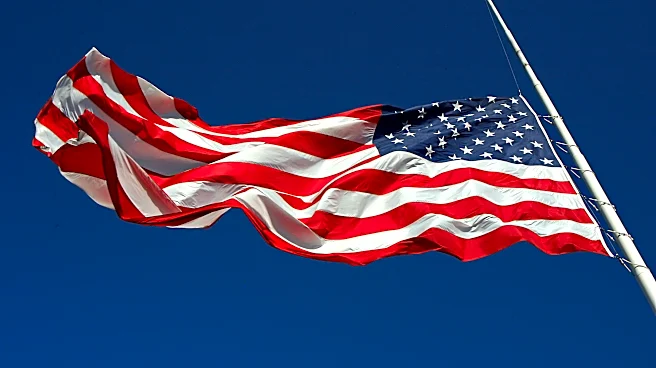
Dolly died on Tuesday, Aug. 25, and it seems the whole world is in mourning. My cellphone hasn’t stopped pinging with messages from friends who are stunned by the news. One wrote that celebrity deaths don’t usually bother him. But this one, he said, really hurts.
So to Dolly, from that 6-year-old Kentucky boy attending his first concert, and your legions of fans in every corner of the world, a heartfelt thank you for the music and a lifetime of memories.
We will always love you.
Michael Collins writes about the intersection of politics and culture. A veteran reporter, he has covered the White House and Congress. Follow him on X: @mcollinsNEWS
This article originally appeared on USA TODAY: The night Dolly Parton came to my coal-mining town: a fan says thanks