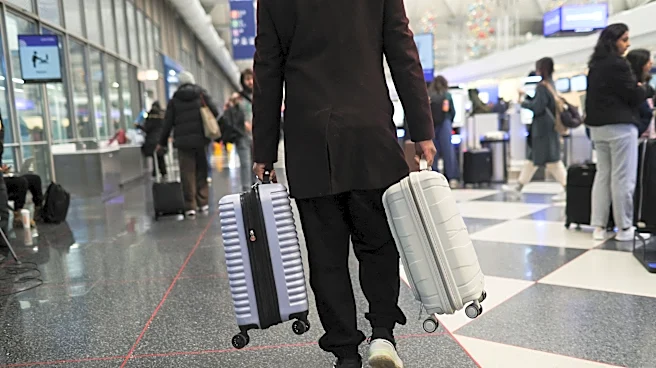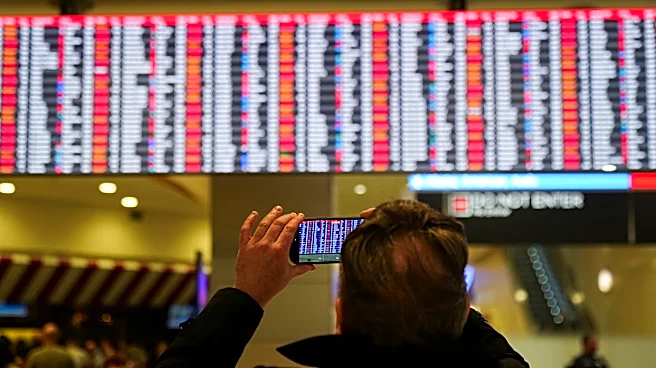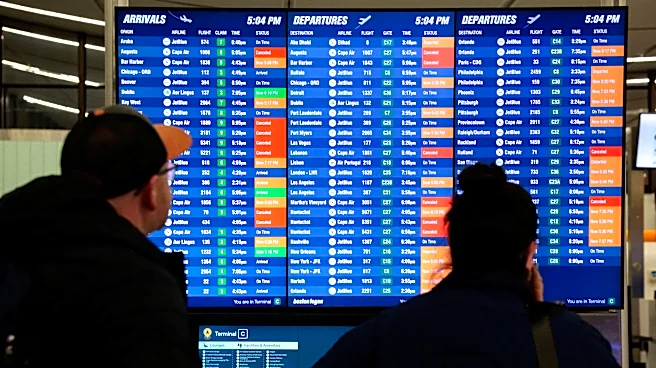

R&B musician Ginuwine was among the many travelers whose plans were upended over due to the nationwide FAA ground stop on Nov. 13.
The "Pony" singer said in an Instagram post that his flights were canceled
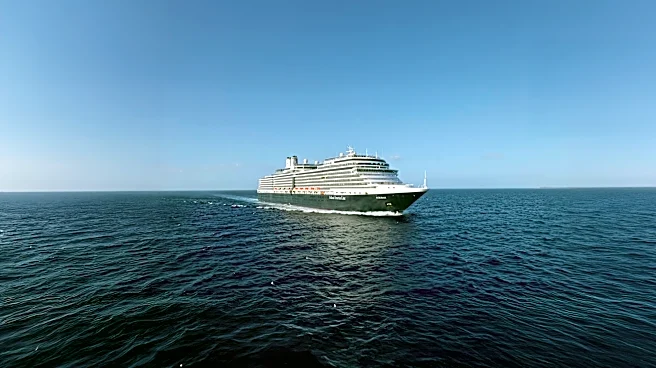
twice, causing him to miss his Nov. 14 cruise aboard Royal Caribbean’s Legend of the Seas. He lost $4,200 on the eight-night voyage as a result.
"I explained my entire situation to Royal Caribbean, but they refused to offer me a refund or even a future cruise credit," Ginuwine captioned the Nov. 16 post. "What makes this even more frustrating is that many passengers fly in the day before their cruise or even on the day of boarding. It is unreasonable to expect everyone to arrive 2 to 3 days in advance just to prepare for an unexpected national emergency. People have jobs, responsibilities, and obligations that do not allow them to travel several days early."
Royal Caribbean Group, the cruise line’s parent company, declined to comment. Cruise lines typically don’t owe guests any compensation for disruptions like that, however.
"In a case specifically like the ground stop, the cruise lines will take zero responsibility, zero, because they’re still going to look at it as a force majeure," Joanna Kuther, a travel agent and owner of Port Side Travel Consultants, told USA TODAY. "It's completely out of their hands, just as much as it's out of their guests' hands." Here’s what to know.
What are cruise passengers owed in the event of ground stop?
Typically not much, according to Kuther. Unless guests booked their flights through the cruise line – in which case she said the company likely would have "either had to refund them or get them to the next port" – or had a comprehensive travel insurance policy, they were likely out of luck.
Cruise lines may offer refunds or other compensation such as onboard credit for one-off schedule changes or disruptions impacting a handful of ships. "But when you have something this big, I mean, just financially the cruise lines couldn't take that kind of responsibility for that many people," Kuther said.
Ginuwine noted that the situation was out of his hands. "I did not voluntarily cancel my vacation," he wrote in the Instagram post. "I was prevented from traveling due to circumstances beyond my control, yet Royal Caribbean showed no flexibility or understanding." He called for the cruise company to reconsider and come to a "reasonable resolution" in the form of a refund of future cruise credit.
But Kuther said cruise line cancellation policies generally apply regardless.
Penalties generally get higher as the departure date approaches. Royal Caribbean passengers booked on cruises between five and nine nights long – like Ginuwine’s – who cancel 90 or more days in advance don’t owe anything unless they paid a non-refundable deposit, according to its ticket contract. By 30 days or less, they owe 100% of the total price. The cruise line’s full terms can be found on its website.
Kuther said travel insurance plans covering trip interruptions and delays can come in handy in those situations, and may reimburse travelers up to 100% of their fare. Given the potential for snags when flying, she also recommends travelers arrive two days ahead of embarkation to be safe.
"You're always taking a chance on something crazy happening," she said. "So you can only protect yourself the best way."
Nathan Diller is a consumer travel reporter for USA TODAY based in Nashville. You can reach him at ndiller@usatoday.com.
This article originally appeared on USA TODAY: Ginuwine missed his $4,200 cruise. Is he owed a refund?