
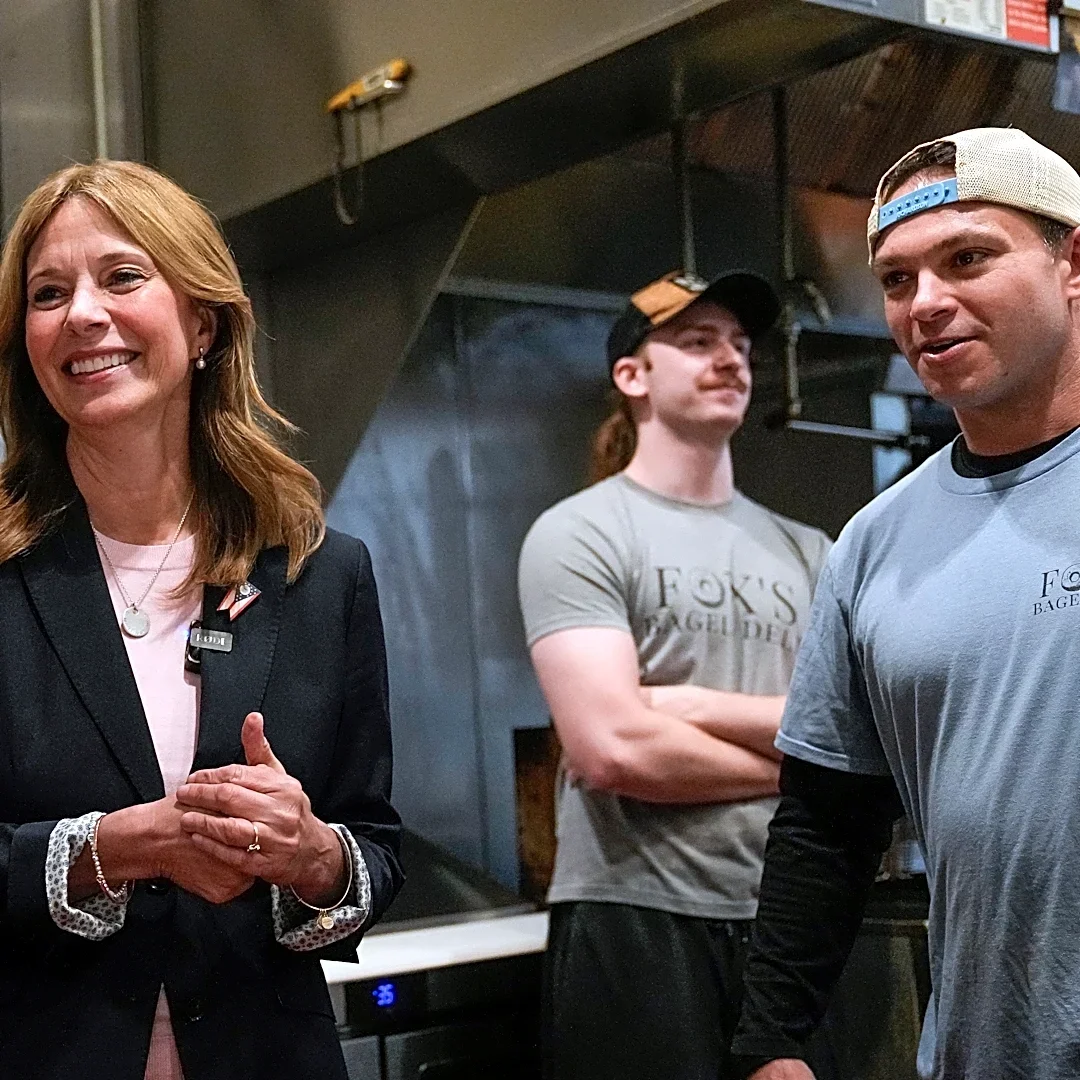



Rebecca Cooke, a Democrat in Wisconsin, is running for the U.S. Congress. When she’s not waiting tables.
Sam Forstag, a Democrat running for Congress in Montana, seemingly can’t open his mouth without talking about his career jumping out of airplanes to combat forest fires.
Jamie Ager, a farmer running in North Carolina, says that what’s needed in Washington is ... barn dances.
These three are among the dozens of nonincumbent Democratic candidates running for the House or Senate whose backgrounds are highly atypical for politics, but quite typical in the lives and communities of average American voters.
For a party that has been lambasted as a cadre of coastal elites, this is a very big deal. While much of the media attention on the Democratic Party
has been on the growing rift between the far left and the old guard, the more remarkable thing about the Democrats is this wave of candidates who’ve gone native.
The real people running as Democrats in midterm elections

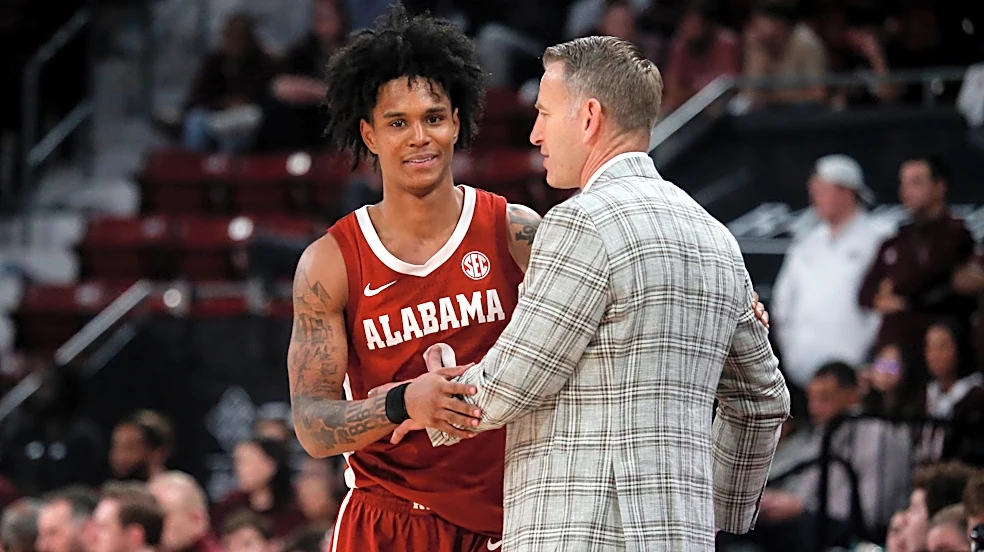
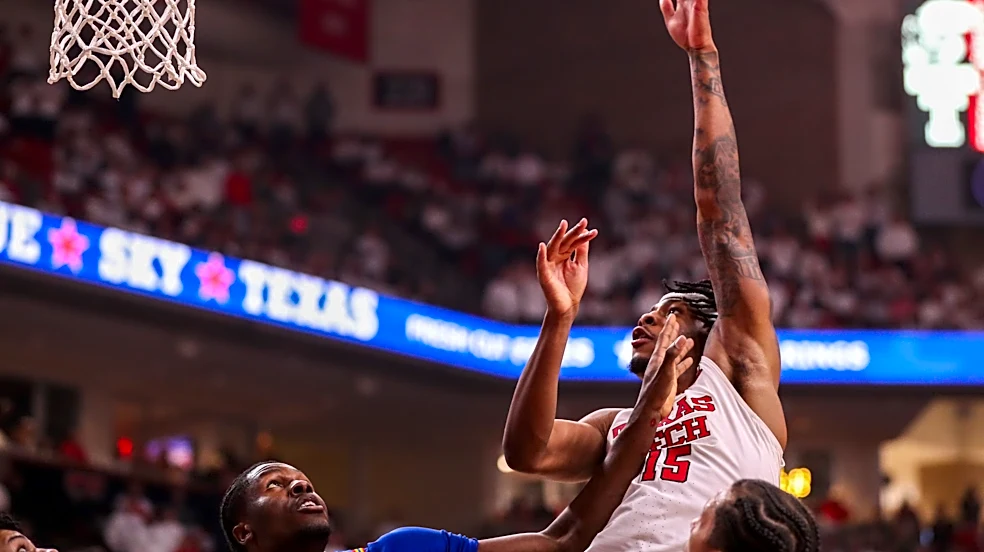
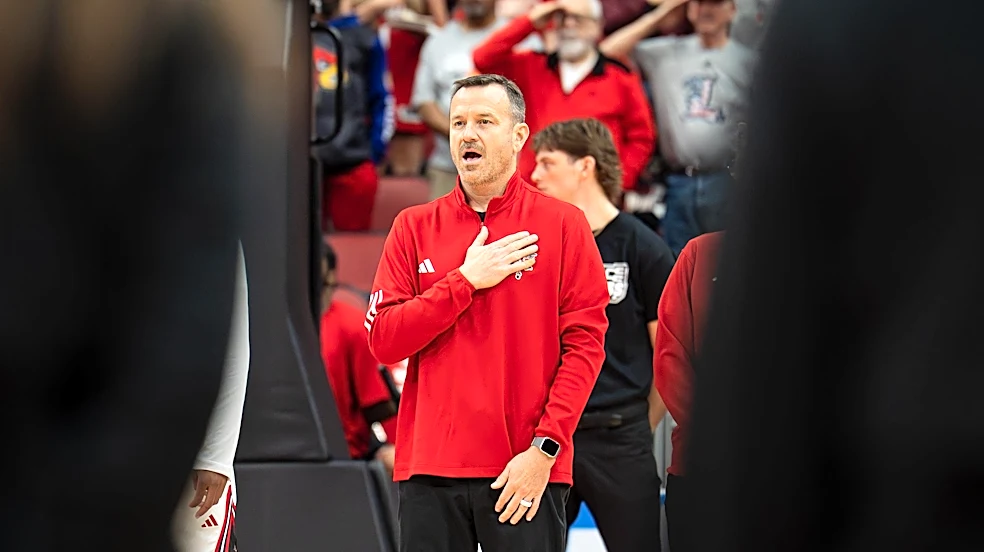
Among the 46 House candidates running in competitive districts identified as top priority for the Democratic Party are three teachers, two firefighters, two farmers, one car repair shop owner, one iron worker, two doctors, one nurse, three ordained ministers, one sheriff’s deputy, one Latin pop singer, one social worker, one waitress and caterer, two television reporters, one fisherman (running as an independent with the party’s blessing) and at least three people who could be called “career military” out of no fewer than 10 who have served. Only nine of the 46 have a law degree.
The Senate class is perhaps a bit more conventional with two longtime Democratic politicians, Roy Cooper of North Carolina and Sherrod Brown of Ohio, in the mix. But it, too, is remarkable.
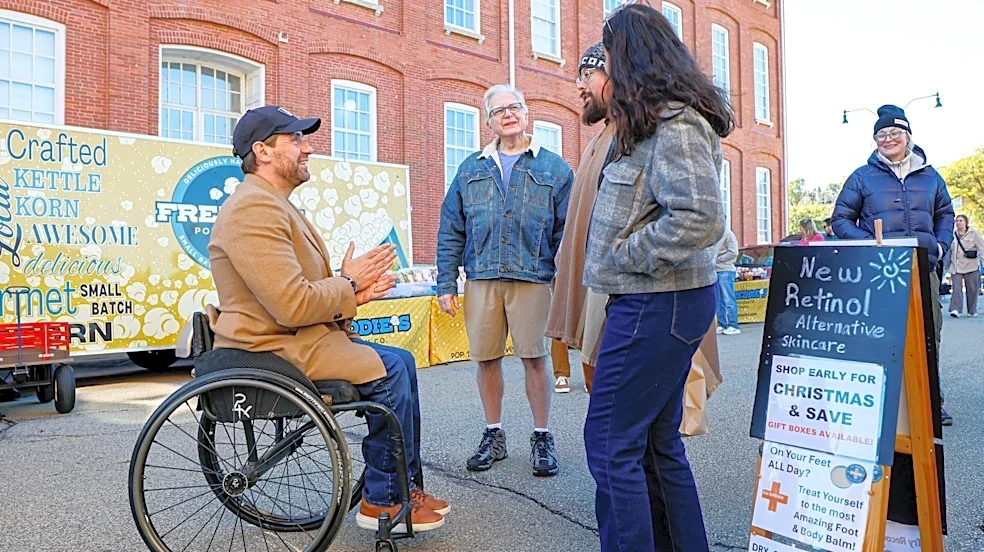
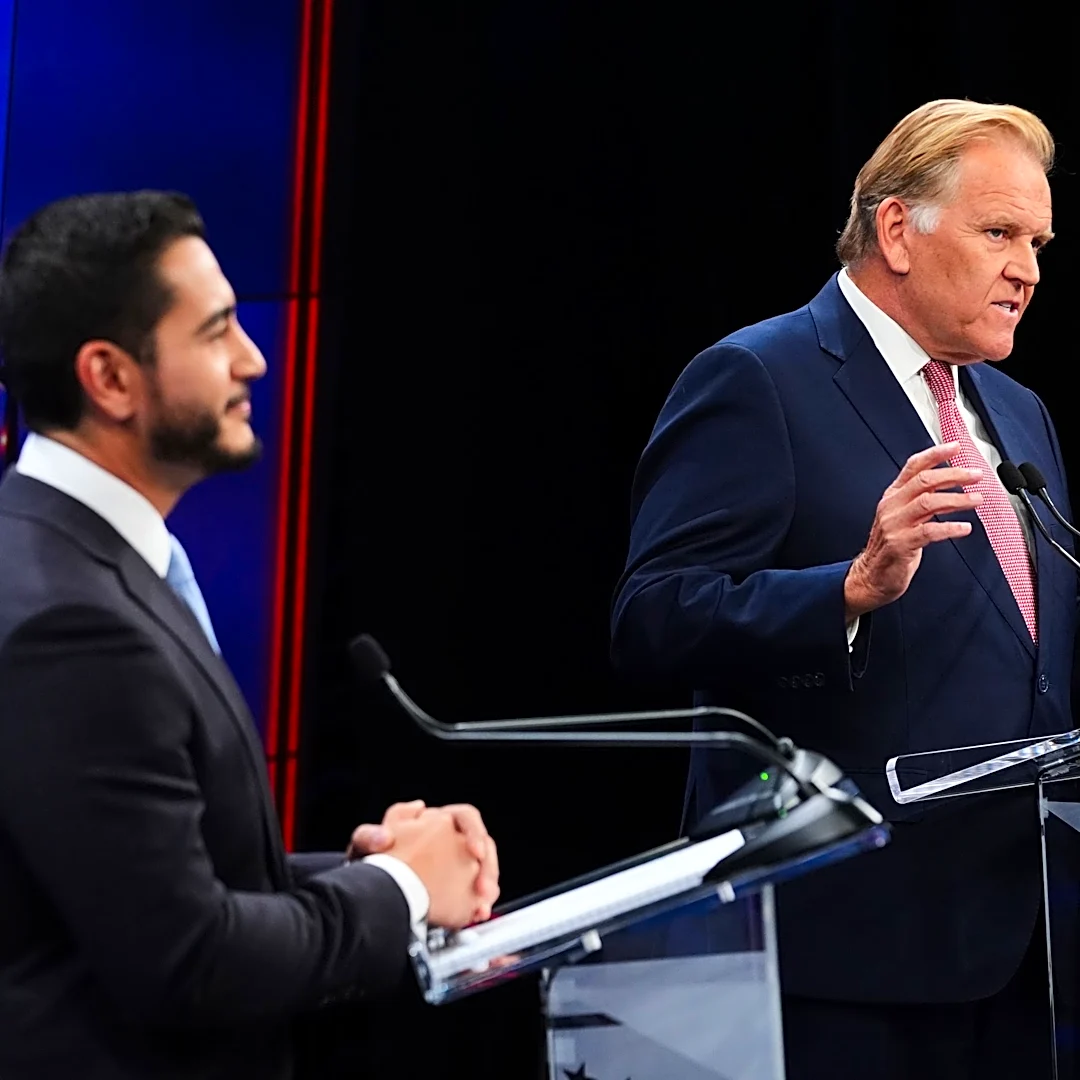
Of nonincumbents in Senate races deemed competitive by The Cook Political Report, Cooper is the only one with a law degree. Among the others are a logger (Troy Jackson of Maine), two health professionals (Annie Andrews of South Carolina and Abdul El-Sayed of Michigan), one professional wheelchair basketball player (Josh Turek of Iowa), one Methodist minister (Adam Hamilton of Kansas) and one educator who also completed a theology degree and laces his speeches with religious appeals (James Talarico of Texas.)
In addition, there is Dan Osborn, an independent running in Nebraska with the Democratic Party’s blessing. The Navy veteran is an industrial mechanic and labor union leader.
It is no secret that the Democratic Party is poised to make significant gains in the midterm elections. It is also no secret why that is. Voters are turning against President Donald Trump over his Iran war, tariffs, trade disputes and immigration policies. The backlash has led many political observers to conclude that what appears imminent is less a blue wave than a red implosion.
But the new class of Democratic candidates can turn the election blue, at least as it is perceived over time. With their unconventional backgrounds and fascinating personal stories, they can reintroduce their party to the American people as the one that is more connected to the concerns and values of ordinary Americans.
They are better positioned to address things like health care affordability or surging fuel prices than congressional Republicans who’ve given Trump carte blanche to make a hash of things. They are also better positioned than many longtime incumbent Democrats who have little firsthand experience with these problems and come off as detached.
What Democratic Party leaders need to do
For Democratic leaders, the way forward is clear:
The first thing they should do is to give prominent roles to the newly elected, setting aside a seniority system that often relegates freshmen lawmakers to obscurity.
The second thing they should do is make this class the template for future ones. The House and Senate leadership do deserve some credit for their recruiting efforts. But many of the people on their lists came forward on their own, or were recruited by labor unions or other independent groups. And a few won nominations by defeating party-endorsed candidates in primary elections.
The final thing that many party stalwarts should do is consider retiring. With the caliber of Democrats running now, they could help rejuvenate the party by infusing it with new blood.
Who knows? Maybe they could even get a waitress to take their seat.
Dan Carney is a former editorial writer for USA TODAY.
This article originally appeared on USA TODAY: These Democrats could win competitive races. None are politicians | Opinion