







The foldable phone market just got a major new player.
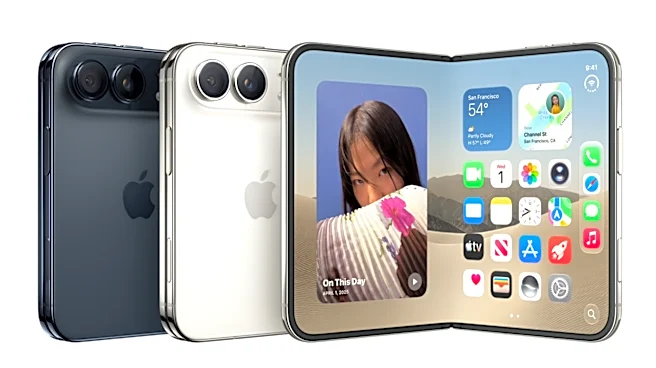
Apple has unveiled its first foldable smartphone, the iPhone Duo, joining a field that already includes devices from tech giants Samsung, Google and Motorola. Foldable phones offer a familiar smartphone experience when closed and open into larger displays designed for multitasking, streaming, gaming and other productivity tasks.
Despite years of development, foldables remain a relatively small segment of the smartphone industry. Foldable phones accounted for about 1.5% of the smartphone market in 2024, according to TrendForce.
Consumer interest also remains mixed. According to a 2025 CNET survey, 64% of respondents said they weren't willing or interested in buying a foldable smartphone in the next
year, while 13% said they were.
Apple's arrival could bring new attention to the category and introduce foldable technology to millions of iPhone users.
Here's how the company's new foldable stacks up against competing models sold in the U.S. market:
Can't see our graphics? Click here.
How do foldable screens work
Foldable smartphones present developers with design challenges that single-face phones don't have: flexible screens, precision hinges and software that can adapt to whether the phone is open or closed.
Unlike the rigid, glass found in a normal smartphone, foldables use an OLED display mounted on a flexible plastic substrate and covered with ultra-thin glass (UTG) that's thinner than a human hair and capable of bending.
Because a screen will bend thousands of times over the life of the smartphone, a visible crease often forms along the fold line.
The demands of thousands of openings and closings create mechanical stress on the layers of the screen.
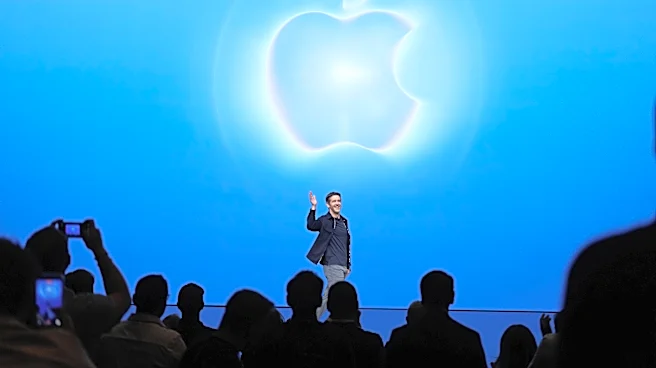
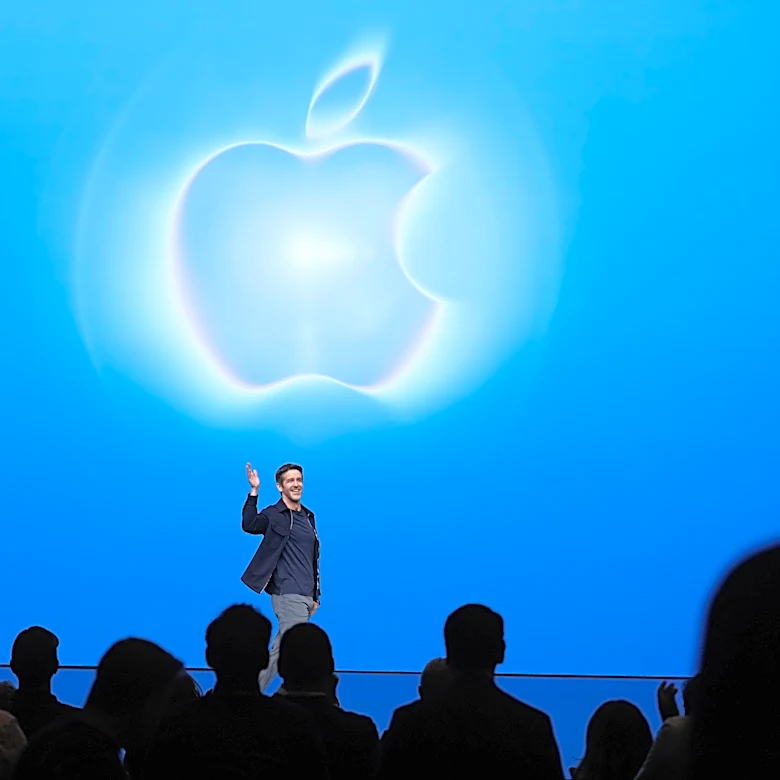
In the Wednesday company video, Apple engineer and chief hardware officer Johny Srougi addressed creasing in other foldables, and pointed to the iPhone Duo's matte inner display, a dual-layer ultra-thin glass and custom adhesives that allow the layers to glide relative to one another.
How many folds can each screen take?
Apple hasn't said yet how many folds the new phone can handle.
Samsung claims independent testing by Bureau Veritas found the Galaxy Z Fold7 remained fully functional after 500,000 folds during a 13-day test conducted at 77°F. According to the company, that equates to more than 10 years of use for someone who folds the device about 100 times per day, or more than six years for users who fold it more than 200 times daily.
Google claims the Pixel 11 Pro Fold is more durable than previous models. The company claims the Pixel 10 Pro Fold can handle more than 200,000 folds.
Motorola isn't publicly listing a fold count.
This article originally appeared on USA TODAY: Comparing the foldable iPhone Duo to Samsung, Google and more