


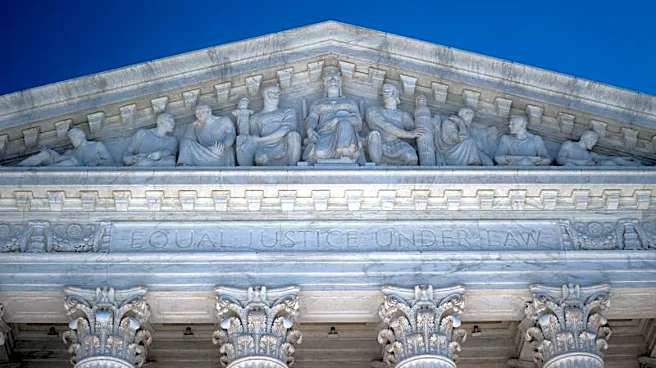
WASHINGTON − The Supreme Court gave no clear indication on Oct. 5 about whether it will allow local governments to go after oil companies for contributing to climate change, hearing nearly two hours of arguments in the first major case about planet-warming pollution the court has debated in at least 15 years.
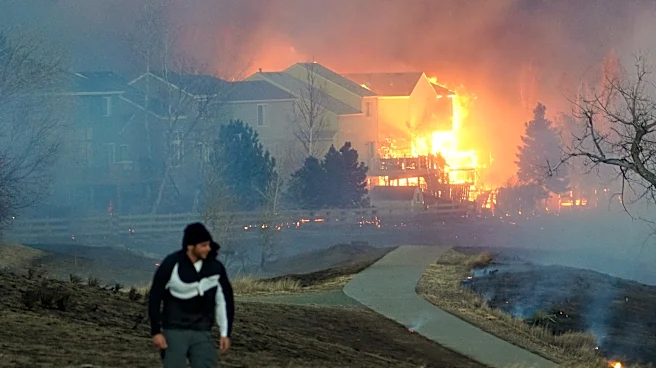
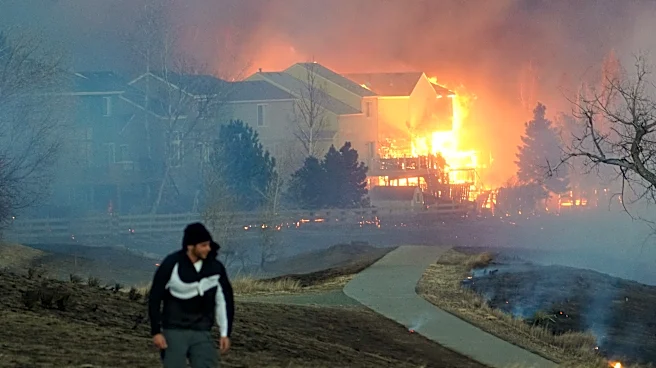
The court is deciding whether federal law prevents Boulder, Colorado, from seeking damages from ExxonMobil and Suncor Energy to help pay for the costs of local impacts of climate change such as increased wildfires, severe storms, extreme heat and flooding.
The case, the first the justices are hearing since returning from their summer break, is also one of the biggest the court will consider this term. Dozens of similar suits have been filed
across the country. Billions of dollars are potentially at stake. And climate change is one of the most significant issues facing not just the nation, but the world.
Boulder argues that the companies violated state laws by misleading the public about the environmental effects of fossil fuels while knowingly contributing to the problem.
Suncor operates Colorado’s only two oil refineries, and Exxon is the largest energy company in the United States.
The oil companies counter that local governments can’t use state laws to tackle a global environmental issue.
“This case and others like it reflect an all too regrettable trend of trying to resolve major political issues in court rather than leaving them to the political branches where they belong,” said Kannon Shanmugam, the attorney representing Exxon and Suncor.
The case comes at a time when the Trump administration – which is backing the appeal from Exxon and Suncor – has been dismantling federal climate regulations, withdrawing from international climate agreements and promoting fossil fuel production.
The attorney for Boulder said neither the Constitution nor the federal Clean Air Acts prevents governments from addressing local harms caused by out-of-state conduct.
“Since the founding, states have had the power" to address issues "occurring within their borders, even when the conduct causing that injury occurs elsewhere,” said Kevin Russell.

This isn’t the first time the Supreme Court has gotten involved in local efforts to address climate change.
In 2011, a unanimous court said cities and states could not force major electric utilities to reduce their greenhouse gas emissions because that’s a decision for the federal government – a ruling that largely ended the first major wave of lawsuits.
Switching tactics, state and local governments shifted their focus from the emitters of greenhouse gases to the fossil fuel industry.
Chief Justice John Roberts asked Boulder’s attorney whether the new approach is an attempt to evade the previous decision.
“It’s an effort to reduce emissions,” Roberts said.
Russell denied that, saying fossil fuel companies can produce as much oil as they want “when consumers are properly informed about the consequences of that decision.”

Boulder’s suit and others like it are modeled after the successful challenges to tobacco and opioid companies and rely on consumer protection statutes and public-nuisance claims.
Justice Elena Kagan, one of the court’s three liberals, asked why the court should treat climate change lawsuits any differently.
“I’m waiting to see the distinction,” Kagan told the attorney for Exxon and Suncor.
Justice Brett Kavanaugh, who showed the most sympathy for the oil industry’s arguments, said suing them over climate change is different from taking on tobacco companies because the court has previously said regulating air and water pollution is the job of the federal government.
“We don’t have to reinvent the wheel because we’ve said this multiple times,” Kavanaugh said, later referring to a “wall of precedents.”
Fordham Law School Professor Adam Orford, an expert on environmental law, said many of the other justices were harder to read.
For example, he said, Justice Amy Coney Barrett seemed to agree with the oil industry’s argument to some degree “but also expressed some openness to a more limited ruling.”
Predicting how the court will rule is difficult in part because Justice Samuel Alito, one of the most conservative of the court's six Republican-appointed justices, recused himself from the case. That raises the possibility that the court could split 4-4, which would allow the suit to continue.
If the Supreme Court finds the issue too difficult to resolve, the justices have an off-ramp. They’re also deciding whether they should be involved at this stage of the litigation.
The two justices who most pushed that approach were Justices Sonia Sotomayor and Ketanji Brown Jackson, two of the court’s three liberals.
“It feels like we don’t really know enough to be confident that the theories that you are proposing are actually applicable here,” Jackson told the Justice Department attorney who argued in favor of the oil companies.
Shanmugam, the attorney representing Exxon and Suncor, said the court needs to stop the lawsuits now given “the extraordinary magnitude of these cases” and how many there are – including a new one filed last week.
“We need an answer to this question sooner rather than later,” he said.
A ruling is expected by the end of June.
This article originally appeared on USA TODAY: Supreme Court debates whether to toss climate change lawsuits against big oil