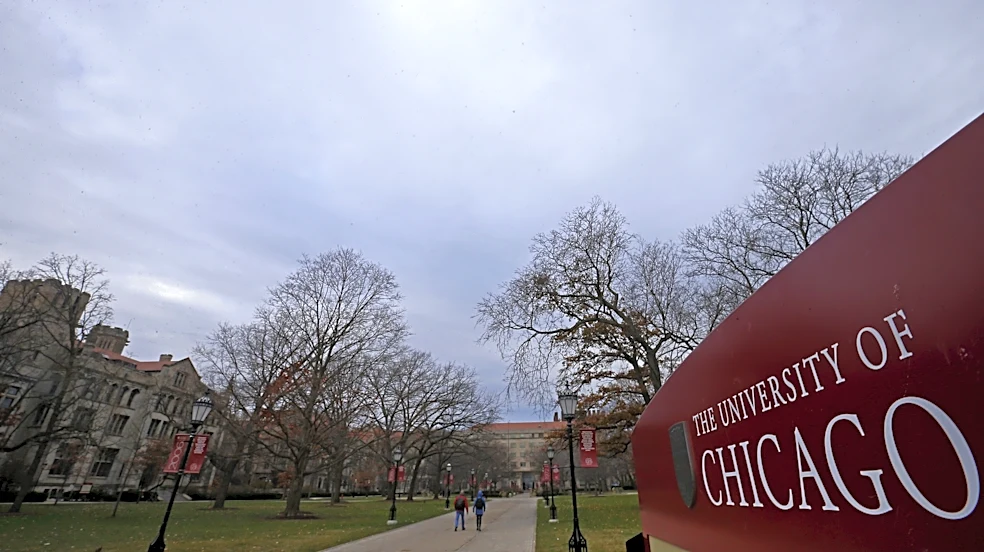








A woman has filed a lawsuit against the Alpha Delta Phi national fraternity and its University of Chicago chapter, alleging that she was sexually assaulted by one of its members during a fraternity party on campus in February.
The lawsuit, filed by the Gould Grieco & Hensley law firm, comes days after Chicago police announced that they were investigating a report that a different woman was sexually assaulted on Oct. 11 at another University of Chicago fraternity house.
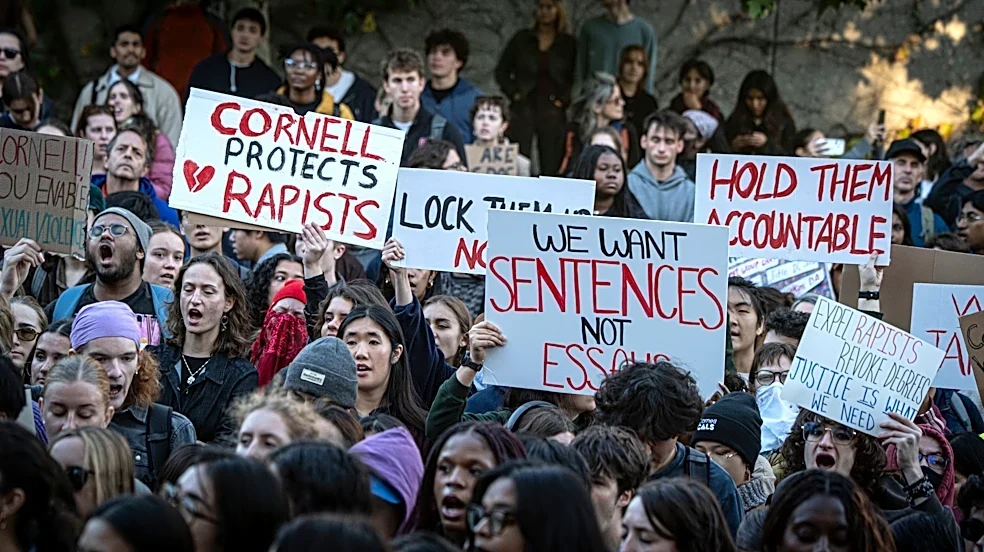
Scrutiny over sexual assault on college campuses, particularly at fraternities, intensified after a former Cornell University student alleged in a September lawsuit that she was drugged and gang raped during a 2024 Chi Phi fraternity party. The case sparked nationwide uproar about
how universities handle sexual assaults.
In the Oct. 19 lawsuit, the woman, identified as Jane Doe, alleges that Chicago’s Alpha Delta Phi chapter had a history of sexual assault allegations it did little to address prior to her case. Doe, who was not a student at the University of Chicago, says she was sexually assaulted during a Feb. 7 party.
What does the UChicago lawsuit allege?
Shortly after she arrived at the Feb. 7 party, a fraternity member encouraged Doe to take an unidentified shot of liquor, she says in the lawsuit.
After taking it, she “almost immediately” began to feel unsteady and lightheaded, the lawsuit says. The fraternity member then “coerced” the 19-year-old woman to a bedroom and made “unwanted and nonconsensual sexual advances,” after she “lost all physical and verbal ability to refuse,” the lawsuit continues.
Doe alleges fraternity members initially blocked her friend from going upstairs to find her. Eventually, the lawsuit says the friend found Doe “unconscious in the room.”
The next day, Doe says she found blood stains on her underwear and reported the assault to the Chicago Police Department. When reached for comment, Chicago police confirmed that a criminal investigation is ongoing. Jane Doe transported herself to a local hospital, police said.
Days later, the University of Chicago Police Department reached out to Doe and created an incident report in response to her allegations, the lawsuit says.

Alpha Delta Phi said it was aware of the allegations and took them “extremely seriously,” adding that it suspended the member involved after learning of the allegations.
“We are committed to the safety and well-being of our members and communities and will cooperate with law enforcement as appropriate,” the fraternity said in a statement emailed to USA TODAY.
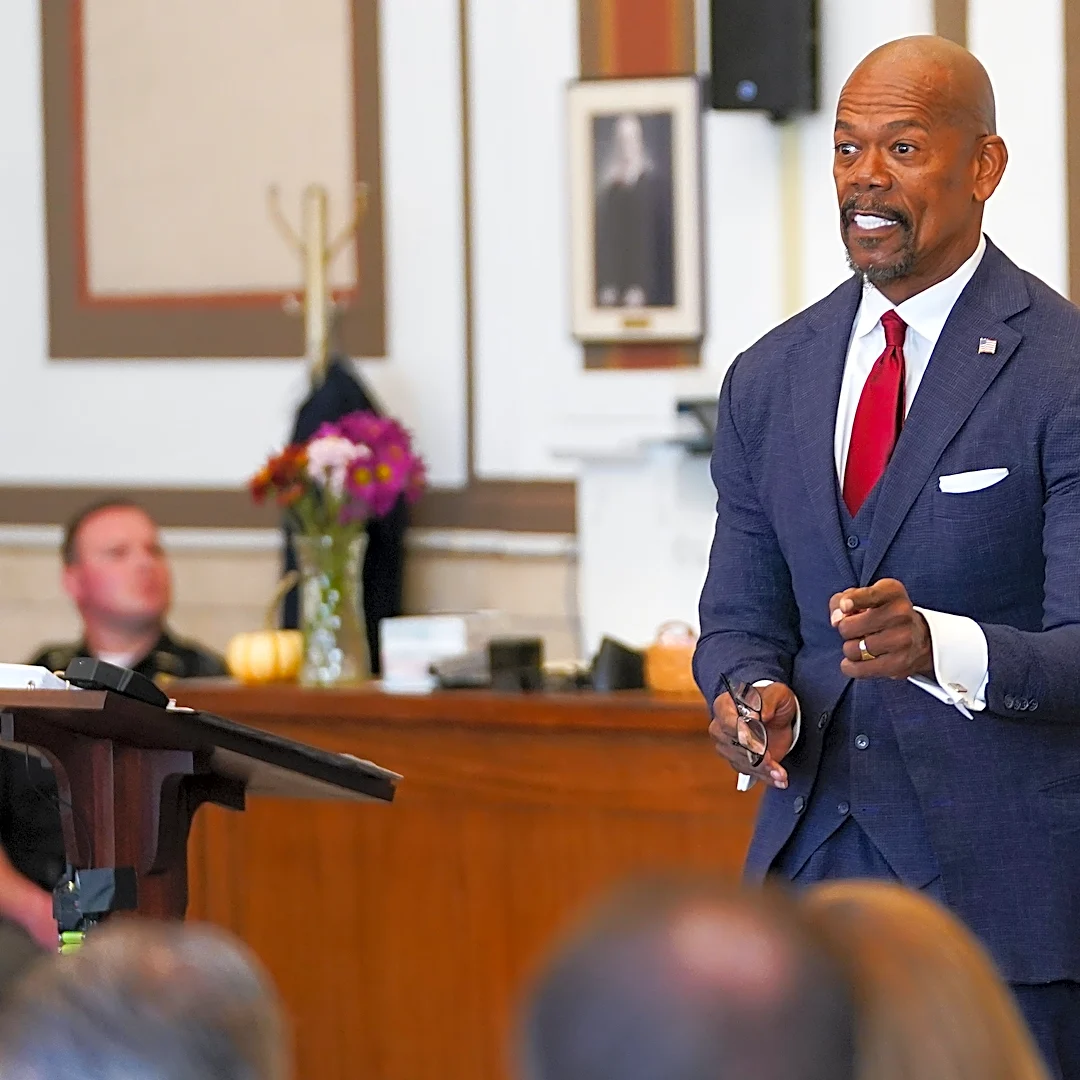
The University of Chicago is not yet a defendant in the lawsuit, Doe’s attorney Michael Grieco said. Instead, Doe’s lawyers are petitioning the university to provide documents related to their investigation of her case.
Gerald McSwiggan, a spokesperson for the University of Chicago, said the school planned to cooperate in the lawsuit by providing information and "is prepared to help the Chicago Police Department in its investigation."
Past allegations of assault at Alpha Delta Phi
The Oct. 19 complaint against Alpha Delta Phi argues that the national organization and local chapter did not implement their own sexual assault policies and failed to investigate past assaults.
“My client obviously wants criminal charges, and that's an ongoing process,” Grieco said. “She also wants civil recompense, not only from a monetary perspective, but also from a policy perspective against the institutions that allowed for this to occur.”
In 2009, the lawsuit says, two sexual assaults at Alpha Delta Phi were reported within five days of each other. After the second, which occurred during a weekly party called “Bar Night,” it says a student was transported to the hospital by ambulance.
The lawsuit also cites an anonymous 2022 Instagram post describing an assault at the fraternity house and urging that the fraternity be placed on probation. The national Alpha Delta Phi website listed the Chicago chapter as active as of Oct. 20.
Unlike Cornell and other colleges, the University of Chicago does not recognize undergraduate fraternities as student organizations.
However, Grieco said there are still looming questions about what role the university may have in controlling and punishing fraternities.
“This is a problem for all that are involved,” he said.
“This fraternity alone has had a history of sexual violence and rapes, and one of the things we're trying to determine is how much did the University of Chicago know of this for the last 20 years,” Grieco added. “What have they done about it in the last couple of decades? And what are they going to do about it?”
Lawyers have been investigating Doe’s allegations and working on this lawsuit for months, Grieco told USA TODAY. He said Doe decided to file the civil lawsuit now to draw attention to the systemic nature of sexual assault on college campuses.
“It's important to her that there's kind of a change of the way that people look at sexual assaults at fraternities related to institutions,” he said. “There's lots of individual actors, but what are the institutions doing – the fraternities doing – to create policy change to make this safer?"
Karissa Waddick is a national reporter at USA TODAY. She is covering the nationwide response to sexual assault allegations on college campuses. She can be reached at kwaddick@usatoday.com.
This article originally appeared on USA TODAY: Woman alleges sexual assault at University of Chicago frat in new lawsuit