







(Note: already edited)
Ever stared into your fridge after a long day not knowing what to cook? You may be suffering from decision fatigue, which can affect what you decide to eat.
Neuroscientist Shawn Watson knows the feeling − and has researched the phenomenon as well as cognitive performance and age-related cognitive decline. His background in neuroscience influences his diet "big time," he told USA TODAY.
"Next to sleep, nutrition is the biggest lever you have, and not just for brain health but brain performance," he said, explaining eating well can help in the long term in "staving off dementia decades from now." It also helps with more immediate impacts. "It changes how well you work, how patient you are with people you love, even how happy
you feel. It may sound silly, but your next promotion might depend on what your breakfast looked like."
So what does he eat in a day? He's paying more attention to his gut health and has changed his own behavior when it comes to artificially sweetened drinks.
"Large observational studies link regular consumption (of artificially sweetened drinks) to faster cognitive decline and higher dementia risk, with midlife looking like the window that matters most," he explained. "It's correlational, not proof, but the signal has shown up in more than one big cohort. That was enough for me."
What a neuroscientist eats for every meal
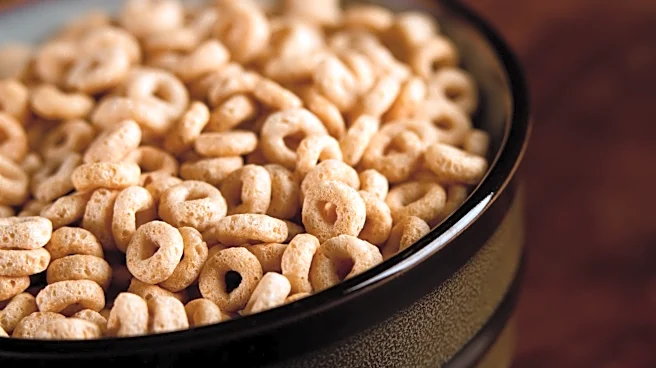
- Breakfast. Multigrain Cheerios with a generous scoop of flax and yogurt. "Gotta keep things moving as I get older," he noted, adding "gut health is brain health."
- Lunch and dinner. Mostly vegetables, some protein and a bit of rice. He also drinks a stimulant-free "brain drink mix" that he co-founded and is formulated to help combat decision fatigue. "I typically drink it 30 to 60 minutes after lunch, before the afternoon dip in cognitive performance, and find that it helps me maintain clarity throughout the rest of my work day," he said. His one rule is keeping lunch light. "A big plate of pasta at noon and I can feel my focus sliding by (2 p.m.)," he said, adding his meals are "boring on purpose." As the day goes on, your brain stops spending as much cognitive effort, he explained, so it's easy to "default to whatever is nearest and easiest."
- Snacks. He used to reach for mid-afternoon snacks but realized he wasn't hungry or low energy − just foggy and wanting a reset. "That's decision fatigue in disguise," he said. "Now when the urge hits, I ask what I actually need, and it's rarely food. Usually water. A lot of what we read as hunger is mild dehydration."
- Dessert. Though he's typically a savory guy, he still likes dessert, especially ice cream – you just won't catch him pairing coffee with it. "Caffeine that late costs me sleep, and sleep is the one thing I won't trade," he said.
Tips on decision fatigue when meal planning
When decision fatigue sets in, we "stop choosing what's best and start choosing what's easy, without noticing," Watson explained. With food, that's typically opting for fast food or takeout instead of cooking.
To avoid this, Watson advises deciding earlier in the day what you're going to eat. Never plan dinner after a long day at work.
"At 6 p.m. every choice feels heavy, and it won't be the choice you'd have made at 9 a.m.," he said. "Know what you're making before you walk in the door."
This article originally appeared on USA TODAY: What a neuroscientist eats in a day and how to combat decision fatigue