




ITHACA, NY – Raven Schwam-Curtis took a breath, steadying her voice: “I was a freshman. He was an upperclassman. I said no multiple times.”
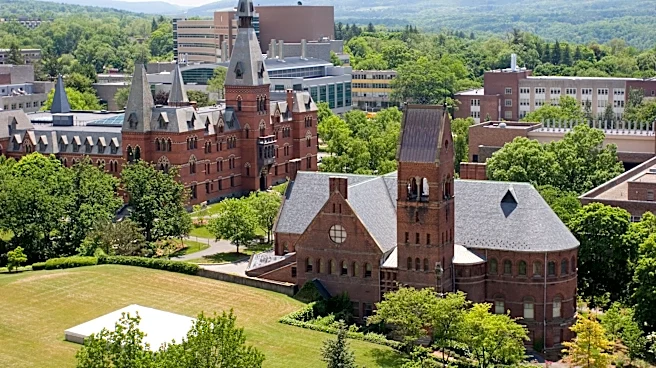
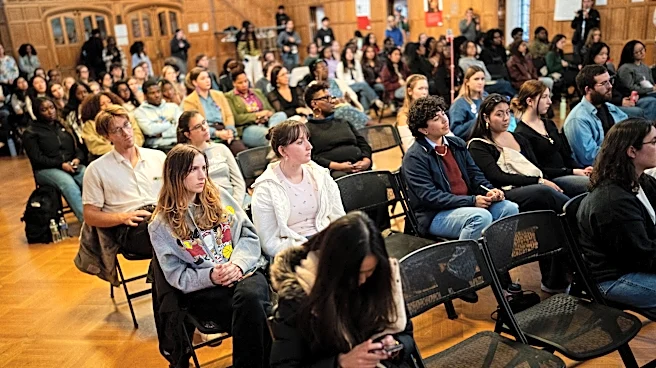
The room of about 100 Cornell University students fell pin-drop silent. They’d gathered in the wood-accented ballroom for an Oct. 5 student-led town hall on sexual violence. The meeting came amid a national uproar over Cornell's handling of an alleged 2024 gang rape at a fraternity house.
A 2020 alumna, Schwam-Curtis returned to the Ivy League campus with a message for student activists: Keep going.
"Cornell can become," she said, "a model for the nation."
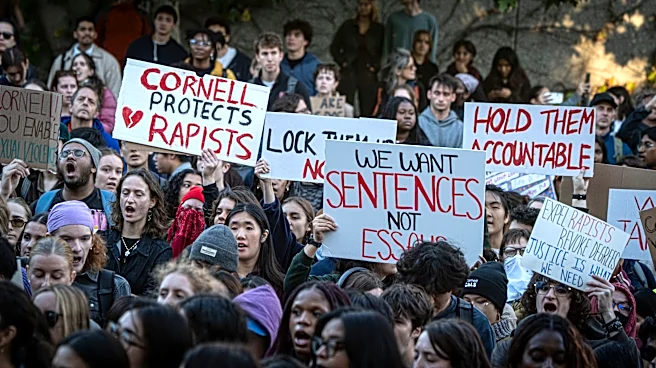
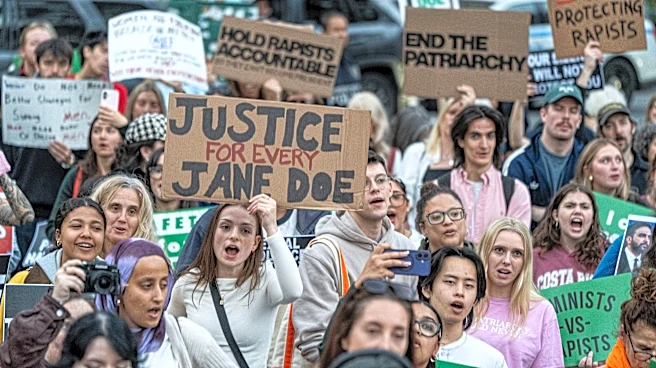
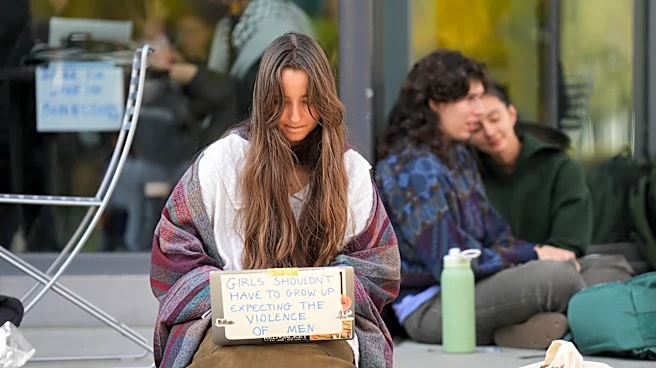
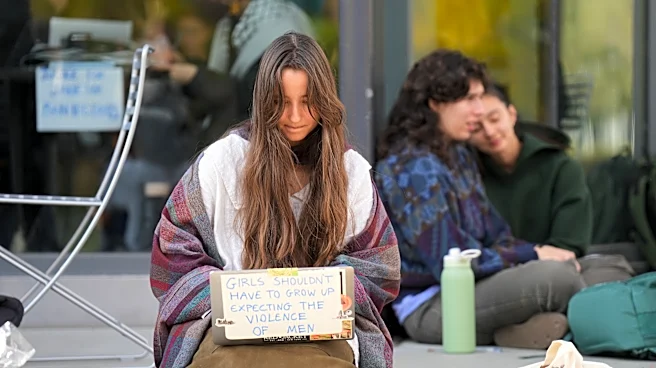
In the days leading to Schwam-Curtis' visit, thousands of students marched across campus, shouting through megaphones that life would not return to normal
until the university changes the way it handles sexual assault cases. Schwam-Curtis said she filed a Title IX sexual assault complaint in 2016 but never heard a resolution. Meanwhile, students planned protests and sit-ins and networked with groups across the country, hoping to change the status quo well beyond Cornell’s gates.
On the heels of their action, the University of Arizona announced Oct. 6 it was pausing activities for all fraternities while it investigates allegations of physical assault, drug and alcohol use and hazing. More than 50 campuses held walkouts Oct. 8 demanding action, pointing to the Cornell case and a Louisiana State University student who alleged on TikTok that she was raped by an LSU football player in October 2025.

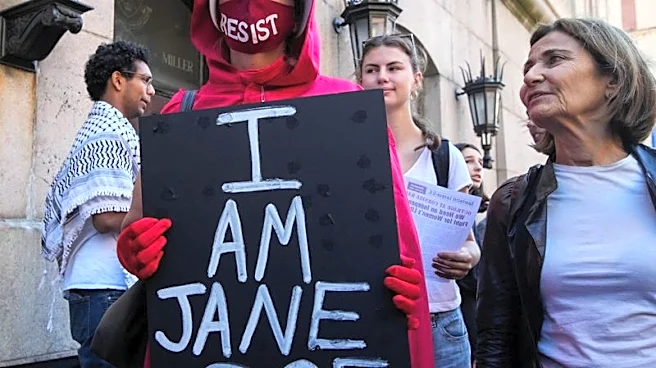
Unrest at Cornell began in September, when a lawsuit filed by a former student known as Jane Doe alleged seven members of the Chi Phi fraternity gang-raped her in October 2024 while she was too intoxicated to consent.The lawsuit accuses the university of failing to protect the student.
No criminal charges have been filed and all seven fraternity members denied the allegations during the university investigation. In the weeks since the lawsuit, some of them continued to deny the allegations in statements through their attorneys. The accused athlete at LSU also has maintained his innocence. Cornell declined to comment about Schwam-Curtis' accusations, pointing to federal laws protecting student privacy.
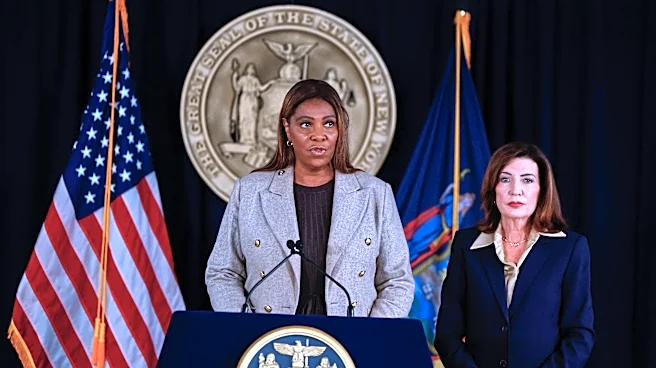
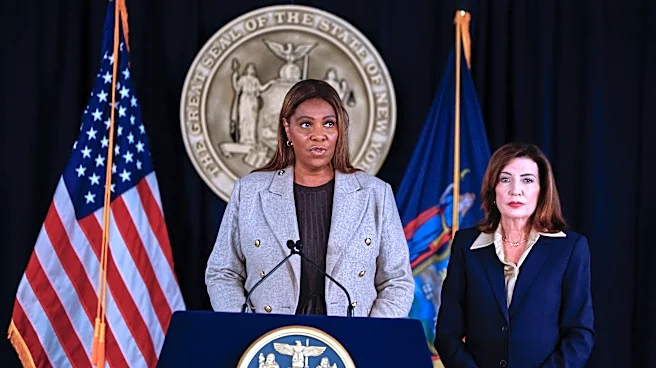
On Sept. 28, Tompkins County District Attorney Matthew Van Houten announced his office would reopen the case. Three days later, Gov. Kathy Hochul appointed New York State Attorney General Letitia James as a special prosecutor who will investigate the allegations. Amid mounting criticism, Cornell administrators also hired former acting attorney general Sally Yates to conduct an independent review of its procedures.

Students say the moves don’t go far enough. They've also questioned whether the current outcry will lead to real progress, or just a momentary reckoning.
"In this moment right now, it's students that are bringing us to a moment of action,” said Rachel O’Leary Carmona, executive director of Women’s March. She added she hopes this is a "break glass moment."
More than the #MeToo movement
Lily Dovciak and Aislyn Beerg skipped the Oct. 6 town hall at Cornell to decompress and make focaccia bread pizza with housemates. The weeks since the lawsuit had passed by in a blur.
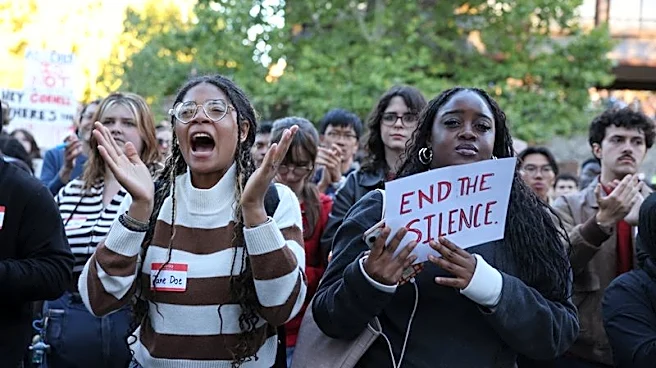
A day earlier, the seniors joined thousands of other students, faculty and community members at the center of Cornell’s campus for what one professor said was Cornell's largest protests in years.
Dovciak sat atop a hill during the protest, holding a four-foot sign reading: “Cornell admin betrays survivors resign now.” Jane Doe’s case, she said, framed her four years at Cornell. In 2024, she was a sophomore, the same year as the alleged victim.

When Dovciak received the email from administrators about the incident that November, she realized she had to act. The university’s ensuing investigation burst her belief that those in power would protect her, Dovciak said.
Cornell expelled two of the fraternity members, barred another who had graduated and suspended two others and issued lighter punishments for others, the New York Times reported. It banned the Chi Phi fraternity and created a sexual assault task force, which issued a report in March.
Many students, faculty and victim advocates have criticized the university for not providing all the information to criminal prosecutors. The district attorney's office decided not to press criminal charges based on a six-page statement Doe gave to campus police. That statement “did not allege that she was drugged against her will or gang raped,” Van Houten said in a September statement. The office never received the complete transcript of Doe’s interviews with law enforcement, he told CBS News.
As for the university’s Task Force on Campus Sexual Assault, Dovciak and Beerg said its recommendations were “insulting.” The report urged the university to increase student understanding of consent and the sexual health resources available at Cornell.
![Several thousand students, faculty, and community members attended a rally at Cornell University in Ithaca, N.Y. Oct. 5, 2026. The protestors gathered to demand change from Cornell’s administration after the handling of the Jane Doe sexual abuse allegations. [Via MerlinFTP Drop]](https://www.gannett-cdn.com/authoring/authoring-images/2026/10/05/USAT/92111867007-xxx-cornell-jane-doe-rally-008.JPG)
“Acknowledging how hard this is and providing resources,” isn’t enough, Dovciak said.
Sitting crisscross on hand-me-down, floral couches, Dovciak and Beerg reflected on past initiatives against sexual abuse and harassment, including the viral 2017 #MeToo movement.
That activism led to sweeping reforms, including state and national laws banning the use of nondisclosure agreements to cover up sexual harassment claims.
Dovciak and Beerg, who were in middle school at the time, said they didn’t remember much about the movement but questioned how much of a difference it made. Some of the same problems are still happening, Beerg said.
“It's not rare at all,” Beerg said, picking a slice of pizza. “I hope that we win much more.”
Advocating for change
Across campus, Matthew Knudsen and dozens of other student leaders recently sat in on a late-night planning call, ironing out details for the next day’s dining hall sit-in and economic boycott.
Knudsen was tired. After the student newspaper, The Cornell Daily Sun, broke news about Jane Doe’s lawsuit, his organization, Students for a Democratic Cornell, began pushing the campus community toward action.
A relatively new group on campus, the group formed to push back on Cornell’s protest restrictions and other policies implemented during the university’s crackdown on pro-Palestine demonstrations. The Jane Doe case, Knudsen said, felt like another “miscarriage of justice.”
They reached out to other politically minded student organizations on campus, including Black Students United, Cornell NAACP, and chapters of Planned Parenthood Generation Action and American Civil Liberties.
In meetings and on an ever-growing WhatsApp group chat, they hashed out a plan, starting with what they hoped would be a massive student-led protest.
On Oct. 5, thousands spilled out from the campus's central plaza, wearing “Jane Doe” name tags and purple ribbons. As the sun set, they marched, chanting loudly. Their anger was palpable.
Shouting outside the Cornell president’s office, they demanded the university expel and revoke the degrees of all alleged perpetrators, rewrite its sexual harassment policy, return to an independent judicial system, require trauma-informed training for the Cornell campus police and comply with New York State's Enough is Enough Law.
For Knudsen, the day was an astounding success. Protests rarely occurred on campus, let alone one of that size, he said. Plus, other universities and advocacy groups contacted them about holding solidarity protests.

"It put some pressure on the administration," he said.
During an Oct. 6 virtual town hall for faculty and staff, Cornell President Michael Kotlikoff signaled a "long-term commitment" to improving the university's approach.
"Sexual assault is not a problem with a single solution, but we're committed to leading the way on change and to making Cornell a model of assault and harassment education, prevention, and investigation," Kotlikoff said.
Some professors told USA TODAY they were dissatisfied with what they saw as an unwillingness of administrators to address students concerns. David Bateman, president of Cornell’s American Association of University Professors’ chapter, said the university's response felt "reactive in trying to centralize a PR response, rather than centering what's happened."
What happens now?
Briefly one afternoon, Knudsen put his worries aside and took a few freshmen to his group’s local gardening plot. They picked late-season tomatoes and jalapenos and watered drooping lettuce leaves.
While planning the events, Knudsen missed several classes. Some professors allowed other student leaders to postpone midterm exams, he said.
“It definitely takes a lot of strain on my academic life to be doing this,” Knudsen said of his work with the coalition.

As they plopped tomatoes into a large basket, the freshmen chatted about their plans for fall break. They questioned whether the protest movement would endure when students returned to campus, or whether the nation would forget about Cornell students amid the contentious midterm elections and the war in Iran.
“A lot of it is based on student momentum,” Knudsen said. “People today, students today, especially Cornell students, aren’t very political.”
At least one protest near Cornell is planned for Tuesday, Oct. 13, during fall break, according to the National Organization for Women. Cornell’s Board of Trustees, the university’s governing body, is set to meet Oct. 16. Student organizers haven’t yet made firm plans for future demonstrations, Knudsen said.
Bateman, a professor in Cornell's Jeb E. Brooks School of Public Policy, said the university's decision to suspend students during pro-Palestine protests a few years ago created a chilling effect on political activism around campus that still lingers.
“Students will continue to organize. But student organizing is only part of the story,” Bateman said. “It becomes a movement when people start to feel part of it.”
Contributing: Sarah D. Wire and Helen Rummel, USA TODAY Network
This article originally appeared on USA TODAY: A moment or movement? Inside Cornell student activists' fight