




Newly proposed tariffs from President Donald Trump's administration risk driving consumer prices up again in 2027, just as the rapid price increases from previous tariffs were starting to wane.
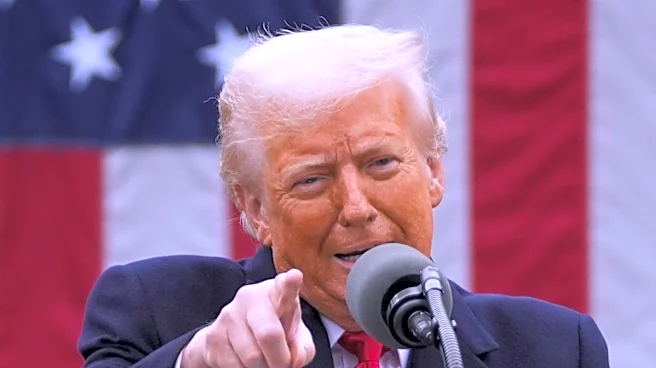
The administration proposed new tariffs Nov. 25 on imports from 14 economies, including China and the European Union, after U.S. Trade Representative Jamieson Greer said his office had determined they were engaging in unfair trade practices under a 1974 law.
"President Trump is proposing to take action to bring about the elimination of these unfair acts, policies, and practices," Greer said in a statement. "In doing so, we can level the playing field for American workers and chart a new, more sustainable course for the world economy.”
The new tariffs are
not in place yet. Greer's office said it will hold hearings about the proposed action in January.
The move comes after previous duties under a different authority were struck down by the Supreme Court earlier this year, a decision that resulted in refunds for importers, but not for consumers. It also follows midterm voters' apparent rejection of Trump's handling of the economy in his second term as cost-of-living concerns persist.
Following the election, more than 1,000 small businesses sent a letter to members of Congress urging them to roll back existing tariffs they say have hurt their margins and contributed to an affordability crisis.
"Customers can’t afford more price increases, but small businesses can’t afford to absorb tariffs on top (of) tariffs either," Dan Anthony, executive director of the small business coalition We Pay the Tariffs, said in a statement following the administration's announcement.

Tariffs' effects on inflation were waning
Federal Reserve Bank of Dallas researchers found that after Trump announced tariffs on imports from a long list of nations last year, at least some of those cost increases were passed to consumers. For example, they estimated year-over-year core Personal Consumption Expenditures (PCE) – the Fed’s preferred measure of inflation – would have been 2.3% in March this year if not for tariffs. Instead, it was 3.2%.
Broad inflation continues to put pressure on consumers' wallets. The Bureau of Economic Analysis estimated Nov. 25 that core PCE inflation was up 3.3% over the year in October, still well above the Fed's 2% target and enough to outpace workers' average pay increases.
While most members of the central bank's Federal Open Market Committee expected inflation to remain elevated in the short term, they also believed it would decline over time in part thanks to "the waning of tariff-related price effects," minutes from their October meeting revealed.
"The encouraging news is that the effects of tariffs on inflation have largely abated and should not add significantly to inflation in goods prices in the future," New York Federal Reserve President John Williams said in a speech two days before the administration's announcement. "Of course, this could change if new tariffs were introduced."
Proposed tariffs risk driving prices higher
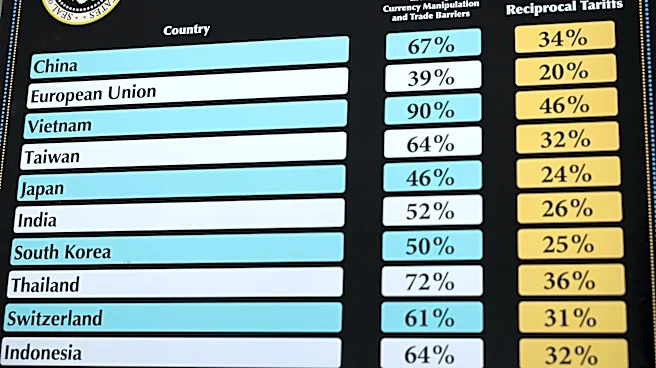
Under the new proposal, the Trump administration is floating top tariff rates of 20% to 40%. In practice, the levies could end up closer to 10% to 20% for countries that have already negotiated trade deals with the United States or will in the future.
If they take effect, they will impact imports from China, the European Union, Singapore, Switzerland, Indonesia, Malaysia, Cambodia, Thailand, Korea, Vietnam, Taiwan, Bangladesh, Japan and India.
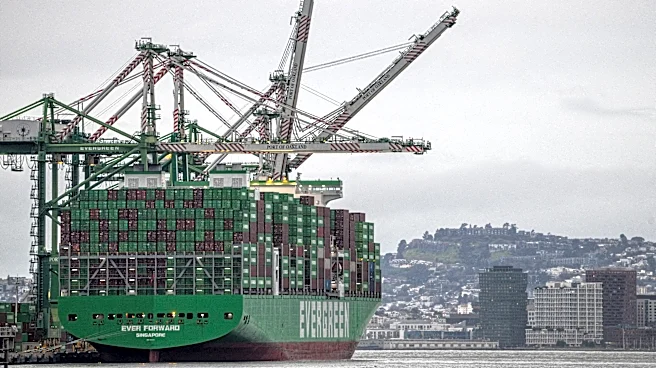
Tariffs are a tax paid by U.S.-based importers. Faced with higher costs, they can choose whether to absorb those or pass them to retailers who then decide whether to pass them to consumers.
In response to tariffs, some reshaped their supply chains while others laid off employees to make room in their budgets to shoulder them. But some saw price hikes as inevitable, and new proposed tariffs could make them more likely.
"We are still recovering from the last round and have not received many of our refunds," Kelly Weinberger, CEO of the Illinois-based jewelry and accessory company WorldFinds that signed We Pay the Tariffs' letter to Congress, said in a statement. "If these tariffs go through we will have to raise prices again, possibly eliminate or reduce the hours of our small team, and will likely increase the debt load we're already carrying."
Price hikes wouldn't come immediately
For now, the announcement reflects proposals, not final negotiated rates.
"The additional tariff is on the wholesale import value, not retail, and the amount is just 5% to 10% additional," Dean Lyulkin, CEO of small business lender Cardiff, said in a note to USA TODAY. "There is zero reason for anyone, including investors and small business owners, to panic."
If the proposed tariffs take effect, it could take several months before Americans start noticing price increases, according to Max Walter, a consumer goods and retail director at the consultancy Simon-Kucher.
"When you think about when goods are produced, shipped, and then finally being stored in a store and sold, there is some time in between that," Walter said. "We've seen between nine and 12 months oftentimes until tariffs even become visible in terms of higher prices on the shelf."
He added that a high tariff on an import does not mean the consumer price goes up by that same percentage. Walter gave the fictional example of a product that sells for $100 and costs $20 to make. A 50% tariff would apply to the $20 factory cost, so it adds $10. Even if an importer and retailer pass all $10 on to consumers, the price goes from $100 to $110. That's a 10% increase, not 50%.
And, "you rarely see something flowing through entirely from the manufacturer all the way to the consumer," Walter said.
Reach economy reporter Rachel Barber at rbarber@usatoday.com. Follow her on X @rachelbarber_ and on LinkedIn.
This article originally appeared on USA TODAY: Tariff inflation was fading. New proposed tariffs could reverse that