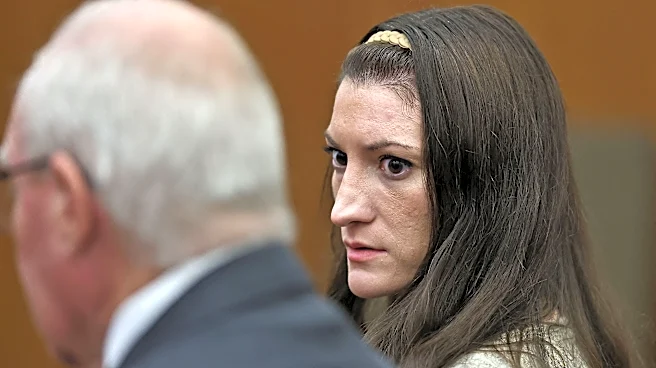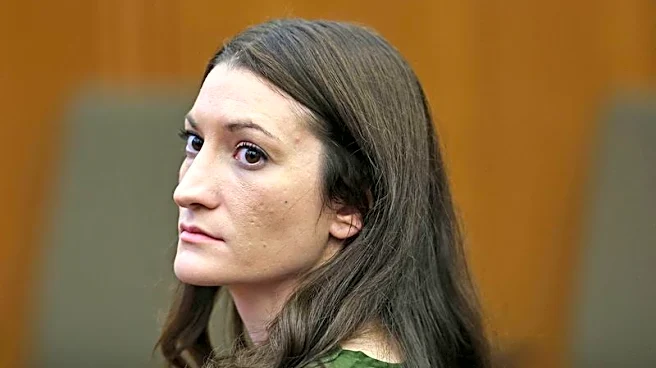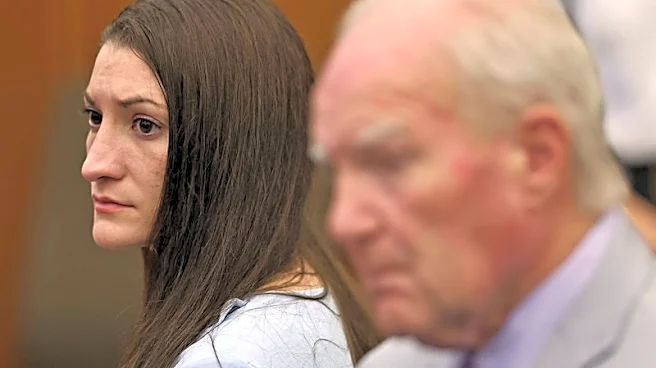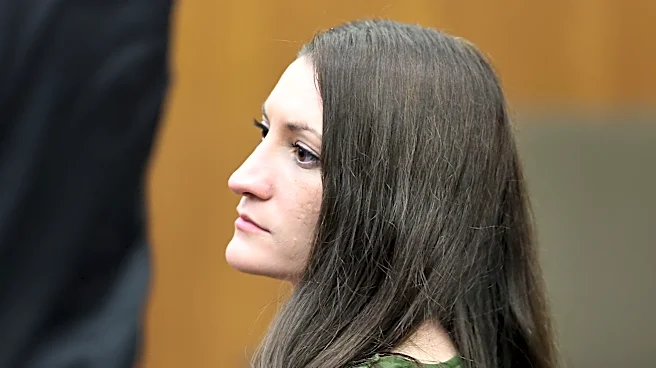





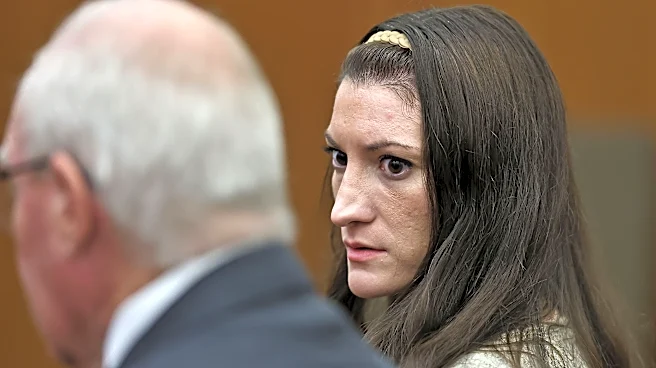
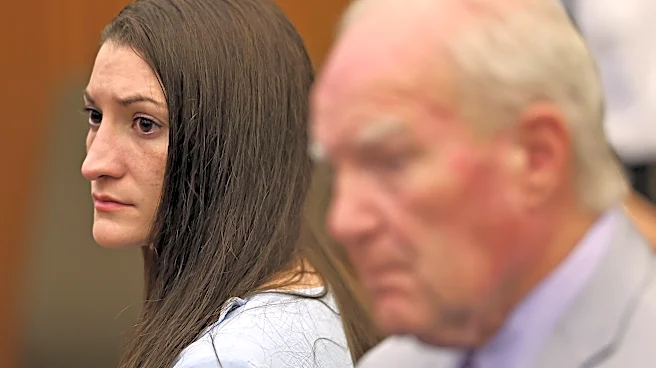

A jury is continuing to deliberate the fate of Lindsay Clancy, the Massachusetts mother who killed her three children, after the judge denied an attempt to remove a juror from the high-profile murder trial.
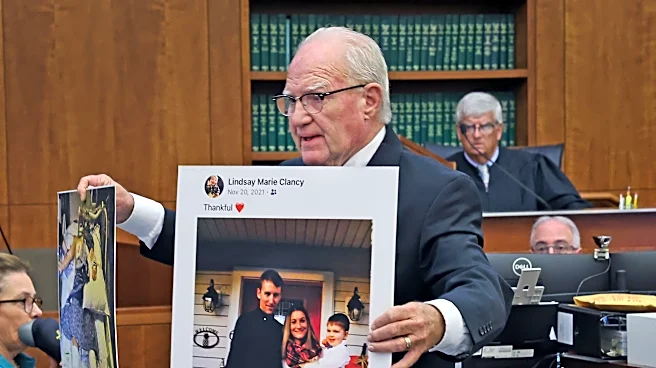
In a tense exchange on Sept. 3, Clancy's attorney, Kevin Reddington, requested that the judge remove a juror who the foreperson alleged "refused to listen" to the court's instructions on reasonable doubt.
"If we come back here in a half-hour with a mistrial because of a juror that has just spurned the instructions of this court, it’s a shame – it’s a real shame," he said.
Judge William Sullivan denied the motion and sent the jury back to deliberate, after reminding them of their obligations to follow his instructions on the legal standard of reasonable
doubt. "I don’t think it’s appropriate for me to say I agree with one juror or 11," Sullivan told Reddington.
The jury remains deadlocked after six days of deliberation. The jurors have twice said they could not reach a unanimous decision.
Clancy, 36, strangled her three children – Cora, 5; Dawson, 3, and Callan, 8 months – at the family's home in January 2023. She then slashed her wrists and neck and jumped out of a second-floor window, leaving her paralyzed.
Her defense did not dispute the facts of the children's deaths but argued she was not criminally responsible because she was suffering from postpartum psychosis at the time.
Prosecutors argued that Clancy methodically planned the killings by sending her husband to pick up medicine and takeout food, researching the route he would have to take beforehand.
Why did Lindsay Clancy kill her kids? What prosecution, defense argued
Prosecutors Shanan Buckingham and Jennifer Sprague painted Clancy as a "controlling, meticulous and manipulative" mother who killed her children because she could no longer control "every little detail" of her and her family's life.
"This was a woman who no longer liked the life she thought she wanted. It was getting harder and harder to control," Buckingham said in opening statements.
Regarding Clancy's mental health treatment in the months prior to the killings, Buckingham also argued that she "chose to manipulate her providers" and "seek out the quick and easy fix when she was feeling depressed and anxious."
"This is not a public debate about women's mental health and how the medical system treats women. This case is about this defendant, Lindsay Clancy," she said.
Reddington argued in opening statements that Clancy experienced postpartum depression and psychosis, and heard a male voice telling her to commit the killings. Reddington painted Clancy as a doting mother who "tried very hard to get the help she needed."
"These children were loved and nurtured and cared for by her," he said. "She didn't want to get rid of her kids because of her selfish life as the government indicates. She loved those children right up to the time of their death."
This article originally appeared on USA TODAY: No verdict yet in Lindsay Clancy trial as push to remove juror is denied