




Players have a word for MLB's salary cap campaign: propaganda.
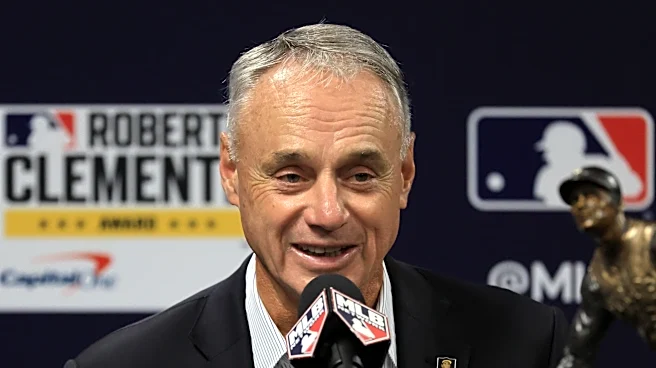
Rob Manfred has a different one. He calls it an obligation.
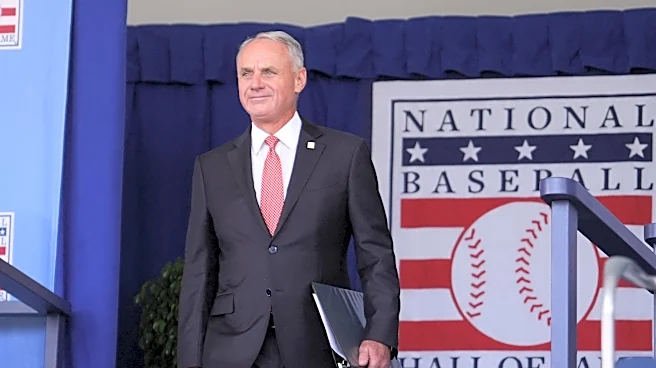
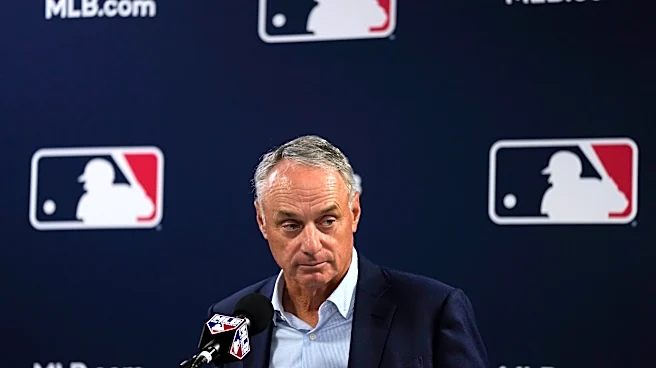
The commissioner defended the league's push to win fans over on Wednesday, Nov. 18, 13 days before baseball's labor agreement expires and owners are expected to lock out the players.
"I think it's pretty clear the most important issue facing the game right now is what's going to happen in this negotiation," Manfred said at a news conference during the owners meetings in New York. "And we feel an obligation to keep those same fans informed."
The league has been at it for months. About midseason, "Level the Playing Field" ads ran on MLB.TV and across MLB's other platforms. Last week, the league put out a video arguing a salary
cap would help end local TV blackouts.
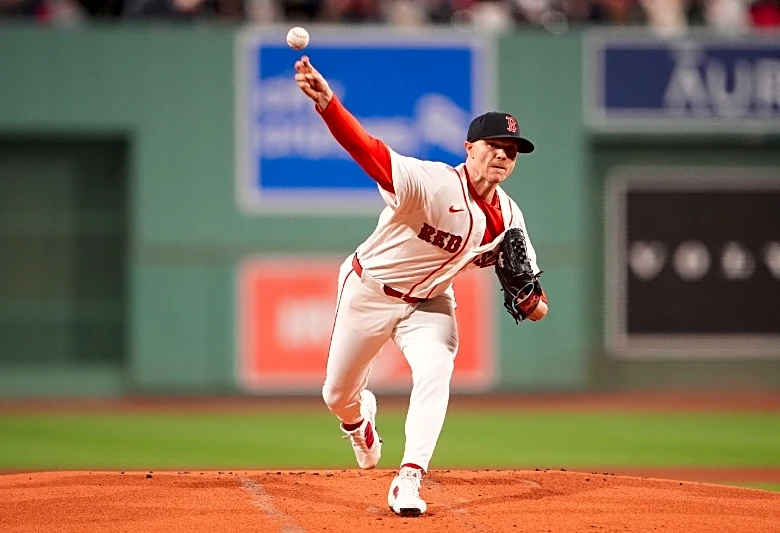
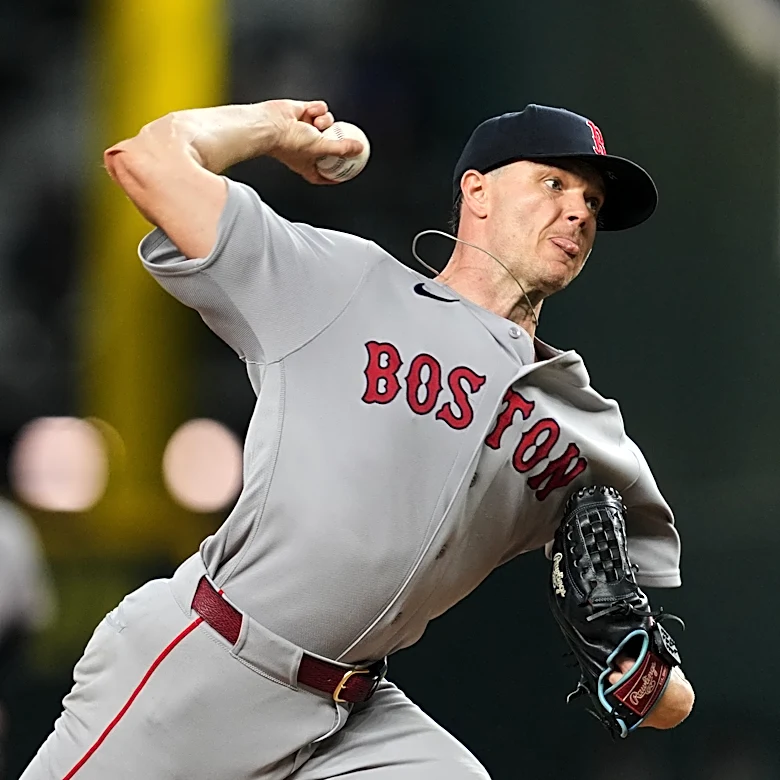
Pitcher Jameson Taillon watched the video and wasn't impressed. The 10-year veteran, a former member of the players union's executive subcommittee, said on Foul Territory that it "kind of just felt like propaganda to me." His advice to fans was "be careful what you are digesting."
Manfred gave no ground on the cap itself.
"I can't imagine the owners ratifying a deal that does not include a cap and floor," Manfred said.
The collective bargaining agreement expires at 11:59 p.m. ET Dec. 1. A lockout could start the next day, freezing every trade and signing. It would be the sport's 10th work stoppage since 1972.
What MLB's salary cap video says about blackouts
The video runs five minutes and carries the title "Baseball's Payroll Disparity Problem Explained: The Case for a Salary Cap and Floor." Morgan Sword, MLB's executive vice president of baseball operations, does the talking. The league posted it on X, Instagram and YouTube.
Sword said fans keep coming back to the same two complaints.
"Two things: one blackouts. And second, the game needs to be more fair," he said.
MLB's plan would split baseball revenue 50-50 between players and teams, set a salary cap and floor and divide media money equally among all 30 clubs. Sword said that last part "will finally allow us to address local blackouts."
Will a salary cap end MLB blackouts?
The cap alone doesn't touch them.
Blackouts are a product of TV deals the teams signed themselves. Clubs sell local rights to regional sports networks on exclusive terms, and MLB.TV blacks out games in a team's home market to protect those contracts. Where several teams claim the same territory, fans get squeezed. Someone in Iowa can lose as many as six teams.
Today, every club puts 48% of its local revenue, TV money included, into a pool that gets split evenly. Teams keep the rest, which helps the ones with big TV contracts, such as the Dodgers and Yankees. MLB's argument is that pooling all the media money would get those teams to join one leaguewide local TV product. That could end blackouts.
But the league tied that change to a salary cap. Nothing in the revenue-sharing math requires one.
MLB's 'Level the Playing Field' ads and the union's response
The campaign launched in the summer. One spot cited a Morning Consult survey that found 79% of avid fans support a cap. Manfred put it at 70% of fans on Nov. 18. In July, he said MLB tracks fan opinion with professional pollsters and focus groups.
The union pushed back during the All-Star Game in Philadelphia. Bruce Meyer took over the MLB Players Association when Tony Clark was forced out in February.
"I have watched over the last two years (how) the owners, the commissioner's office, try to convince fans, the consumers of their product, that the product is broken," Meyer said July 14. "I think it's perverse."
Manfred answered that day that it was "incumbent on us to keep our fans informed of our view of the world,"
He was still saying it in November.
The union points to the numbers. Attendance was up 1.2% at the All-Star break, on pace for the best since 2017. Tha Padres sold for a record $3.9 billion in May.
This article originally appeared on USA TODAY: Rob Manfred defends MLB 'propaganda' push as lockout is days away