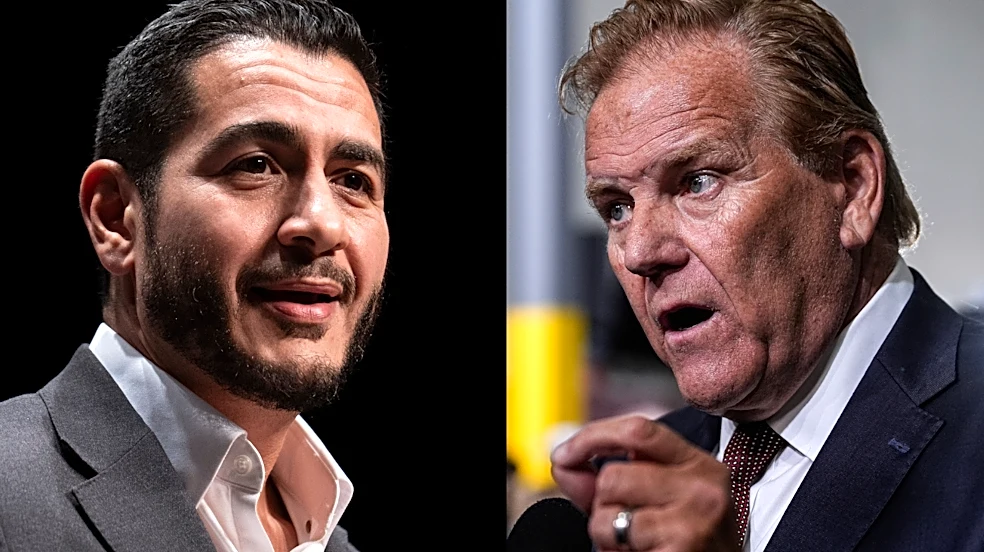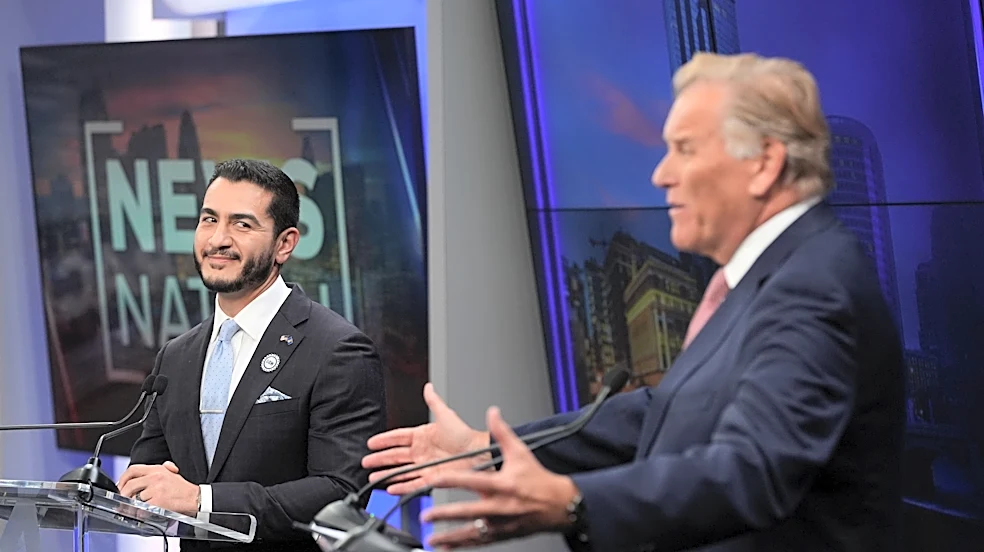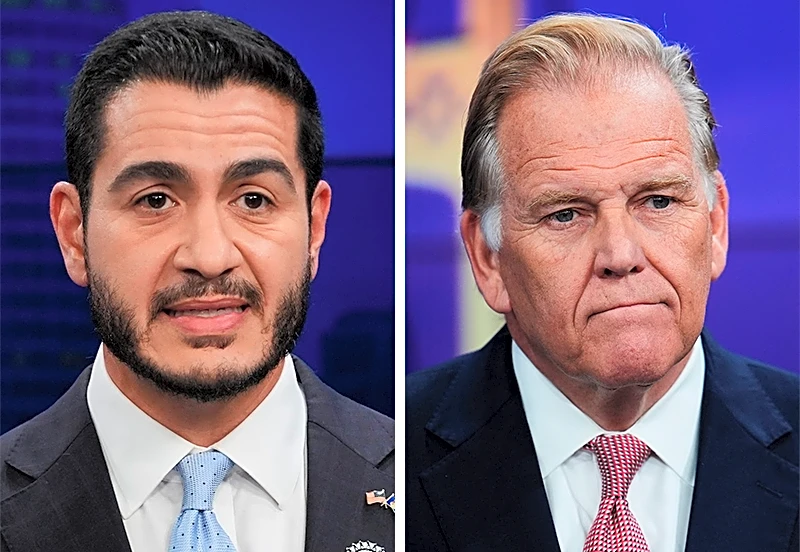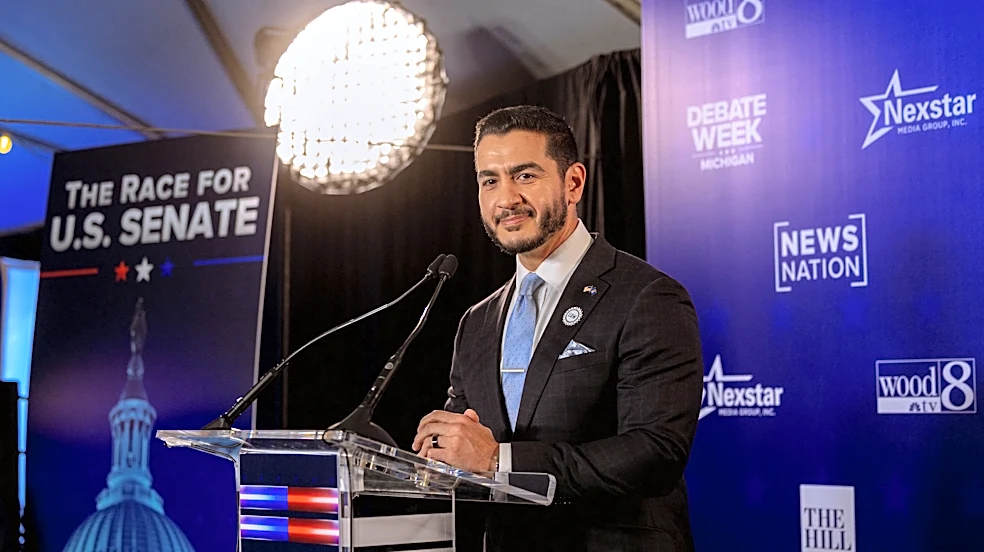



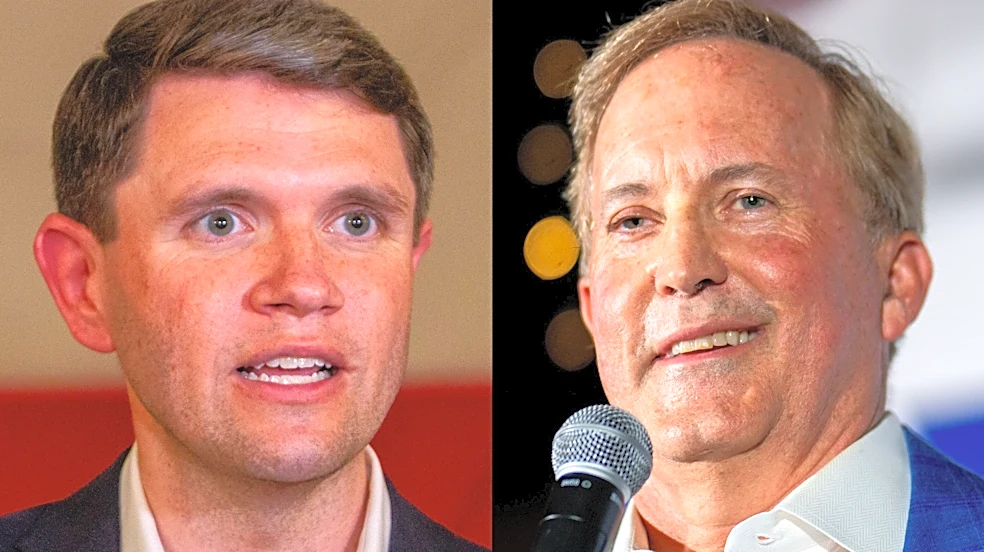

Democrat Abdul El-Sayed and former Republican Rep. Mike Rogers will face off for the last time Oct. 21 in one of the most heated campaigns of the midterms, which has become dominated by efforts to portray El-Sayed as soft on radical Islamism.
The subject - and El-Sayed's accusations of Islamophobia - drew nationwide attention during an Oct. 17 campaign event when a young man asked the Democrat if he would disavow the Muslim Brotherhood. El-Sayed said he “absolutely” rejected the group, then criticized the question's premise that he has any more obligation to disavow the group than every other candidate. The questioner was later revealed to be former Republican campaign staffer Thomas Teepell –
“I’m not running to be a Muslim senator, I’m running for
U.S. Senate and happen to be Muslim,” he said, borrowing from former President John F. Kennedy's response to concerns his Catholic faith would make him loyal to the Pope.
With less than two weeks until the midterm elections, time is running out for candidates to make their closing arguments. El-Sayed has focused much of his pitch against Rogers on costs, and tied the former lawmaker to President Donald Trump’s trade war with Canada, Michigan’s largest export partner, and the war in Iran. Rogers has argued that El-Sayed’s progressive agenda, including policies such as Medicare for All, would be unaffordable.
The Oct. 21 event will be hosted by WXYZ-TV out of Detroit and start at 7pm EDT. Here's what to watch for at the candidates' final scheduled debate.
Muslim Brotherhood attacks
Rogers repeatedly sought to link El-Sayed to the Muslim Brotherhood during the first debate, and is expected to continue in the second meeting as Republicans have ramped up that line of attack.
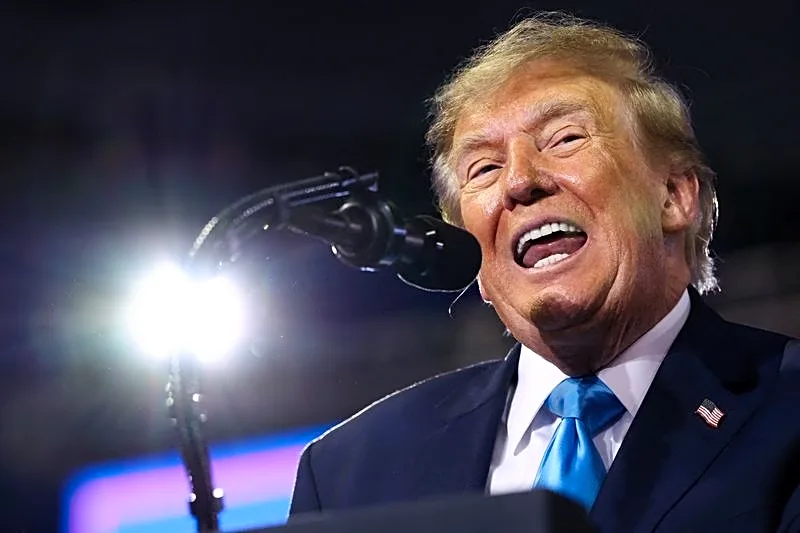
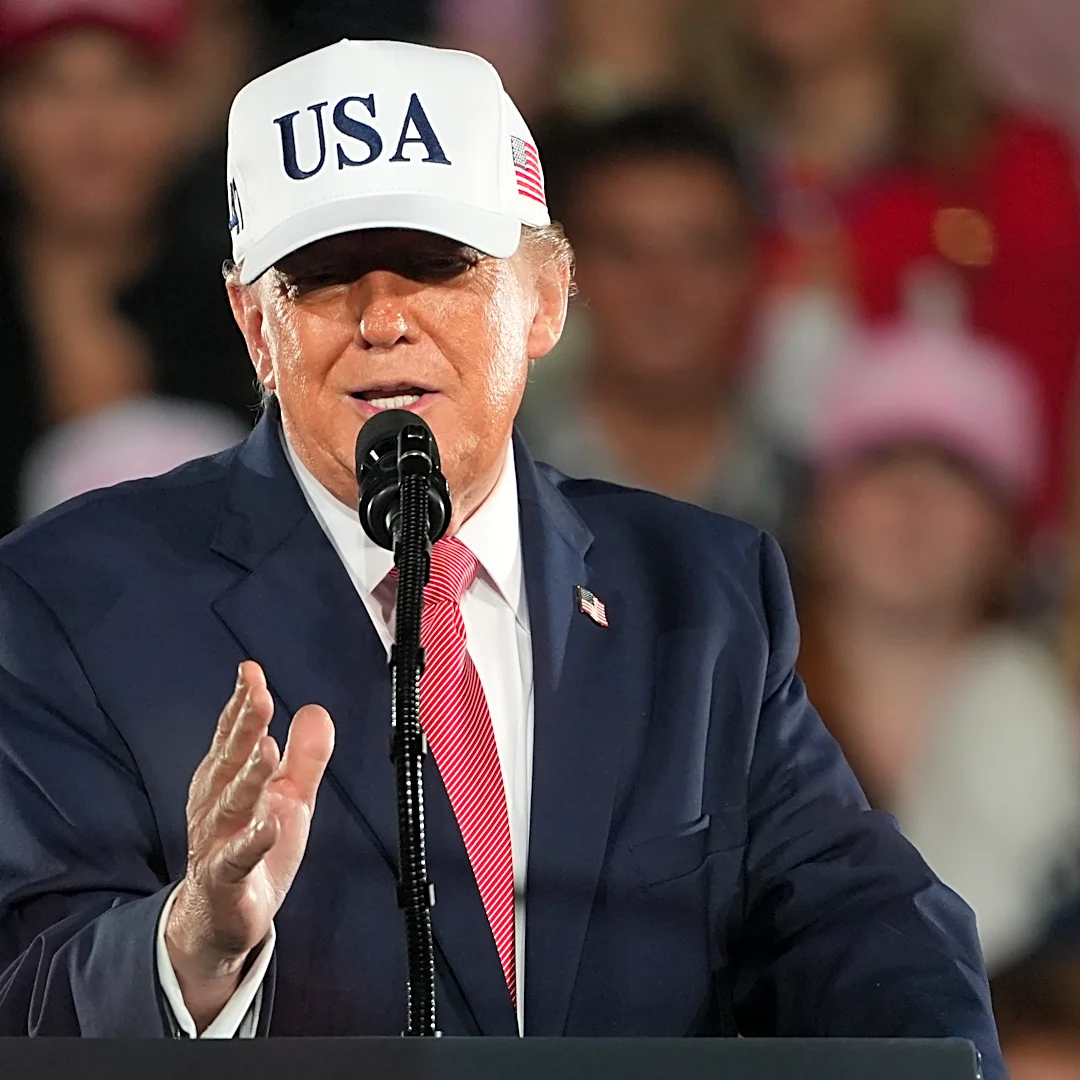
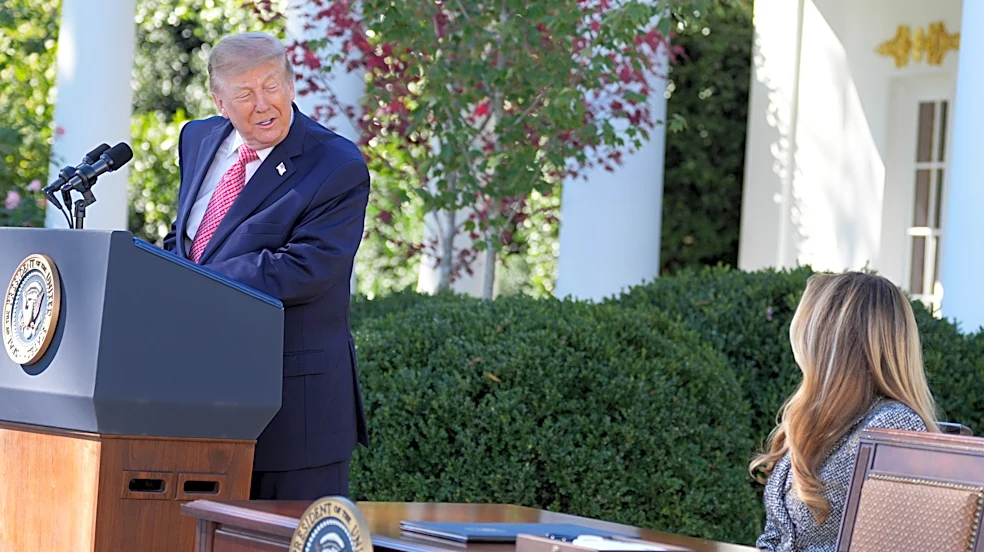
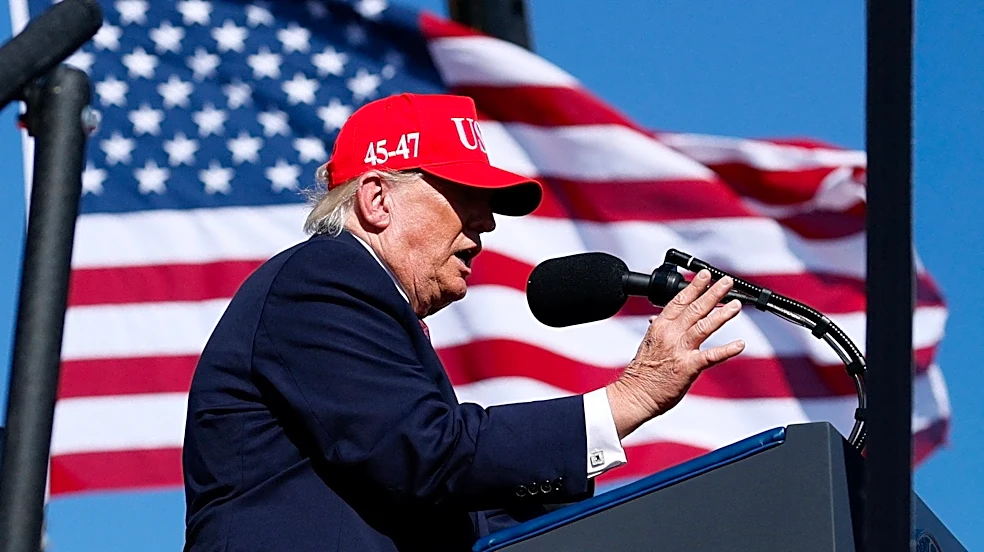
The president in particular has doubled down on his efforts to tie El-Sayed to extremism in ways that have stoked Islamophobia. Trump said El-Sayed was "absolutely Muslim Brotherhood" in an endorsement video for Rogers filmed in the Oval Office, and mocked El-Sayed's name and called him a "jihadist" at a recent rally.
El-Sayed, who would be the first Muslim elected to the U.S. Senate if he wins, has responded by embracing his faith. In a new ad El-Sayed speaks about his daily prayer practice, the role faith plays in his life and the importance of having faith in the country's future.
Rogers has insisted he isn't attacking El-Sayed's religion, but his values.
"This is about the way you think, not the way you pray,” Rogers said during an appearance on CNN’s “State of the Union” Oct. 18. “This is about your ideology and how dangerous it is. I mean, he has a long history of supporting the Muslim Brotherhood.”
El-Sayed has disavowed the Muslim Brotherhood and repeatedly denied having any ties to the organization. Republicans' claims that El-Sayed supports the group center on a 2011 op-ed calling for the U.S. government to support pro-democracy protesters against the authoritarian government in Egypt and a 2012 open letter he signed supporting then-Egyptian President Mohamed Morsi, who won with the Muslim Brotherhood’s backing. Republicans have also pointed to 2012 tweets from his half-sister that reference their mother's work with the group in the 1970s.
“I was born in 1984, down the street in Rochester Hills. I was raised here in Michigan, went to the University of Michigan, rebuilt the health department in the city,” El-Sayed said in a recent NBC News interview. “And you want to ask me about what was happening in Egypt in 1970? Are you serious?”
He repeated that he has no ties and hasn’t discussed the Muslim Brotherhood with his birth mother. El-Sayed was raised by his father and stepmother.

Economic differences
While Rogers' personal attacks on El-Sayed have drawn more attention, the candidates will still need to differentiate themselves on policy and how they plan to lower costs.
The candidates offered a preview of a more substantive, policy-driven discussion on Oct. 20 at separate appearances hosted by the Detroit Economic Club. The candidates appeared on stage separately and answered the same set of questions about economic issues facing the state.
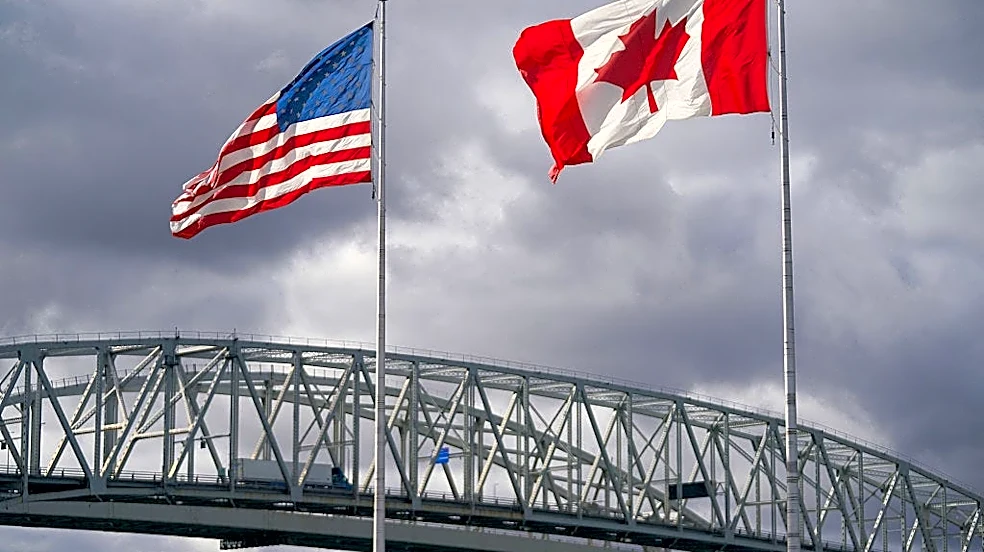
El-Sayed criticized the president's trade policies, including the ongoing trade war with Canada, Michigan's largest export market. The state's auto industry is heavily dependent on Canada, as car parts cross the border several times during the manufacturing process. The Democrat has argued for a more targeted approach to tariffs, aimed at protecting growing industries.
“Like all the things that Donald Trump does, they are chaotic, they are ham-fisted, and they are self-serving,” El-Sayed said of Trump's tariff policy during the forum.
Rogers has sought to distance himself from the trade war, which he had initially supported. Earlier this month, he released an ad calling for the president to end the trade dispute, that featured him drinking a popular Canadian beer. But he has also positioned himself as someone who would be able to work more closely with the president to get good trade deals. He's also argued that the trade policies have worked and helped bring back jobs to the state.
“The very fact that cars are coming back to the United States, including Michigan, from Mexico and China, are because of the tariffs that were applied to help us correct about 40 years of bad trade policy,” Rogers said at the forum.
El-Sayed also pushed back on efforts to label him as a socialist, by describing himself as a capitalist who wants to make the economy more competitive.
“As I’ve been very clear about, I am a capitalist, but I do not believe we live in actual capitalism,” he said, adding that the government needs to regulate monopolies and oligopolies.
This article originally appeared on USA TODAY: What to expect in final El-Sayed v Rogers Michigan Senate debate