








There’s a new rule for travelers flying to the U.S.
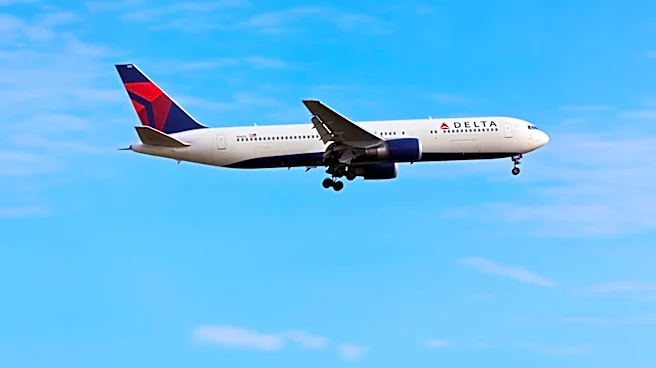
Starting Tuesday, Nov. 3, anyone boarding an international flight into the country will first need to attest that they have not been to the Democratic Republic of the Congo (DRC) in the 21 days prior.
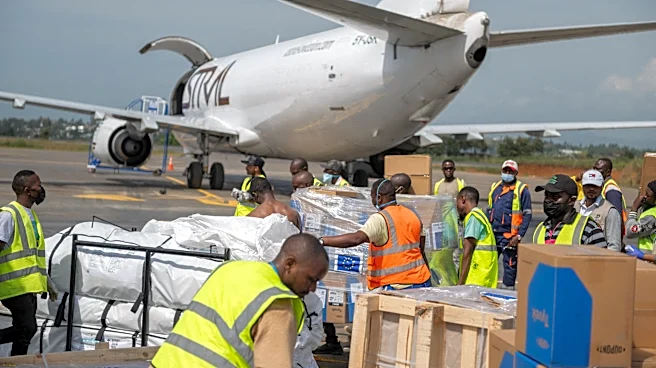
The DRC is currently facing the second-largest Ebola outbreak
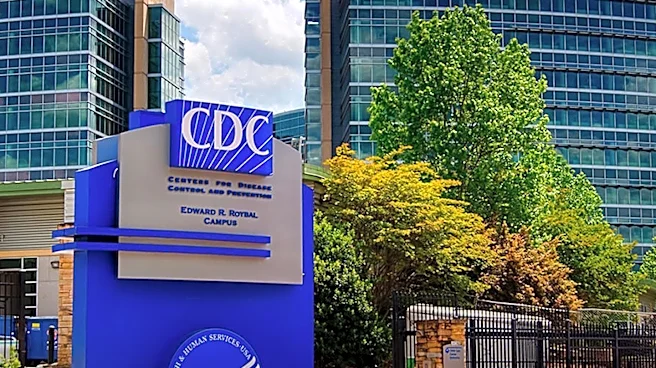
on record, according to the Centers for Disease Control and Prevention, which issued the attestation order.As of Oct. 27, the CDC said more than 10,200 Ebola cases and nearly 5,000 deaths had been confirmed in the DRC.
So far, no related cases have been reported in the U.S., and the CDC says the likelihood of it spreading to the U.S. is low, but it’s not taking any chances.
The State Department has also issued a Level 4 “Do not travel”
advisory for the DRC, due to “health, crime, unrest, terrorism, and kidnapping.”
What do travelers need to do?
Travelers will need to either physically or digitally sign a statement vouching that they have not been in the Democratic Republic of the Congo within 21 days of flying to the U.S.
“Connecting through an airport in DRC also counts as being present in the country, even if you did not leave the airport or the plane,” according to the CDC.
Why 21 days?
The CDC says 21 days is the maximum incubation period for Ebola.

What if you don’t want to sign?
“Passengers who do not sign an attestation will not be allowed to board a flight to the United States,” according to the CDC.
The order only applies to air travel, not land or sea travel.
Who needs to sign?
With rare exception, anyone flying into the U.S. from abroad will need to make the attestation.
That includes:
- Adults and children.
- Passengers and crew.
- Travelers bound for the U.S. or just connecting through.
- U.S. citizens and permanent residents as well as foreign nationals.
- Commercial flights, general aviation and private aircraft, including cargo.
The CDC may make exceptions for specific individuals for “humanitarian or other important government considerations” as well as for aircraft transporting passengers with Ebola, with U.S. government approval.
What if the traveler is a minor or can’t sign for themselves?
A parent, guardian or other authorized individual must make the attestation on the child’s behalf.
Adults who may not be able to sign due to a disability may have a family member, travel companion or other authorized individual do so on their behalf.
What happens if you lie?
Travelers who give false or misleading information may face prosecution, criminal fines and imprisonment, according to the CDC.
When does the order take effect?
The order goes into effect at 11:59 p.m. EST on Nov. 3.
Reuters reported Airlines for America and the International Air Transport Association had urged the CDC to reconsider the deadline and parameters.
Additional details on the attestation order and Ebola outbreak can be found on the CDC’s website.
This article originally appeared on USA TODAY: You won’t be allowed to fly into the US without signing this