


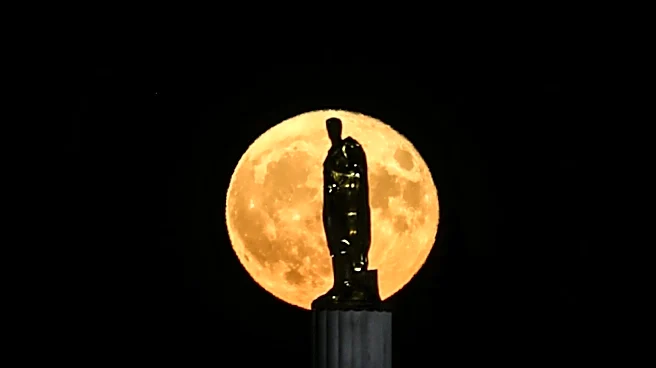
Backyard astronomers will have to stay up past their bedtime tonight to catch a glimpse of the partial lunar eclipse, but is it worth staying up for?
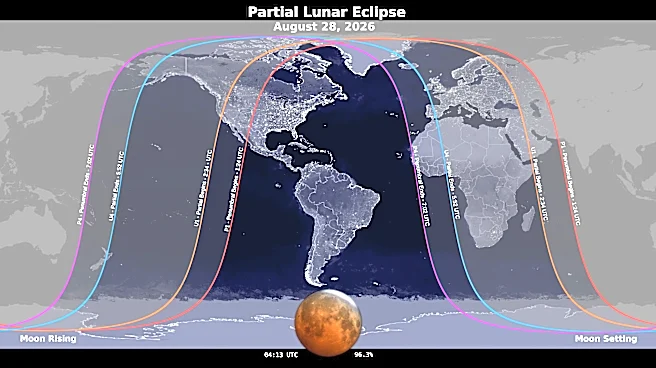
"Yes, it is," Nico Cappelluti, an associate professor in astrophysics and cosmology at the University of Miami, told USA TODAY. The eclipse is set to begin on Thursday, Aug. 27, at 9:23 p.m. ET, according to Time and Date. It will end at around 3 a.m., but will reach its peak at midnight.
But Cappelluti says you don't have to stay up until 3 a.m. ET to watch the eclipse from start to finish. "Even watching the first part of the eclipse is nice."
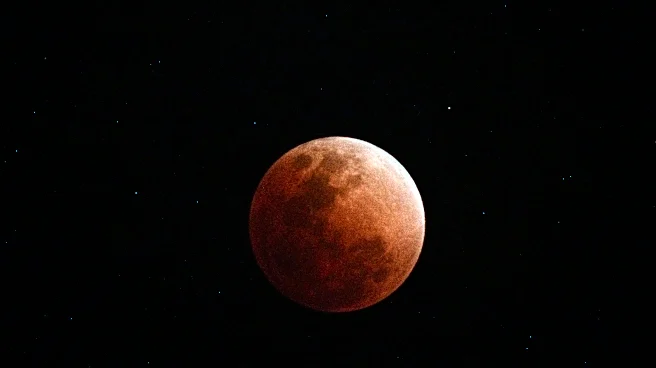
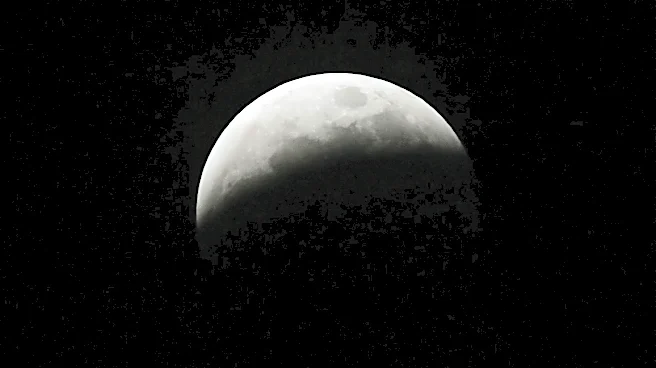
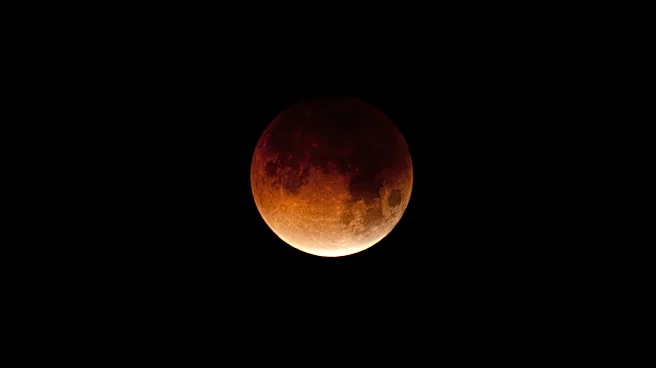
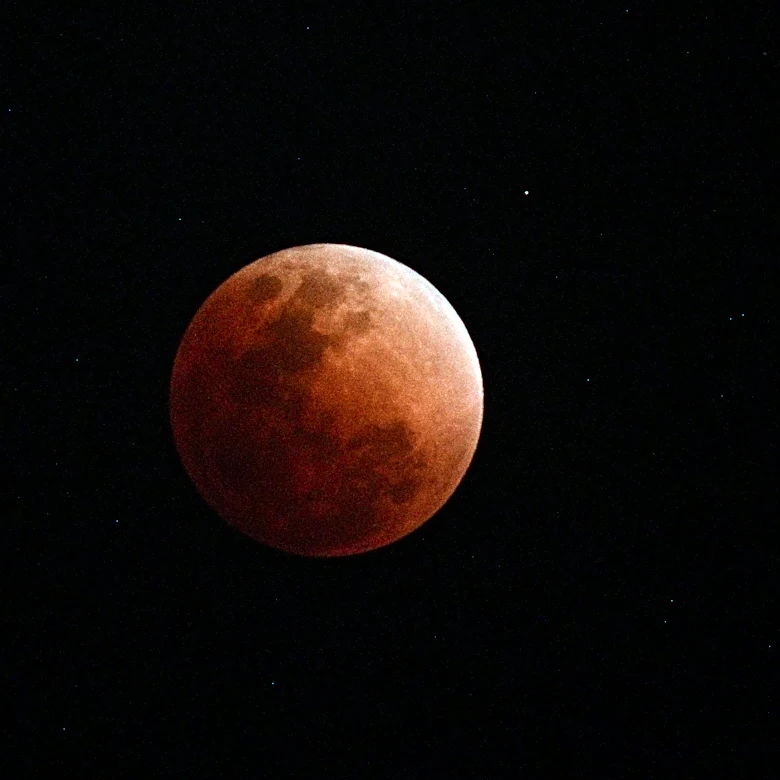
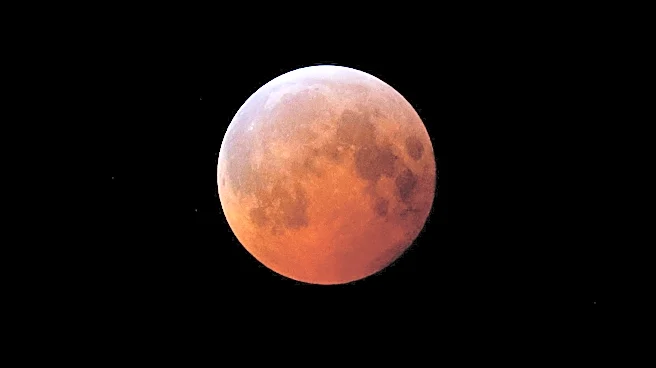
Tonight's eclipse is a partial eclipse, so the entire moon won't be covered by the Earth's shadow, but it will be pretty close. With 96% of the moon being
covered during what is being called an "almost blood moon," according to USA TODAY's previous reporting.
But the eclipse won't reach its peak until after the clock strikes midnight on the East Coast, according to Time and Date. So some might have to stay up a bit later than usual, or set an alarm to get out of bed to catch a glimpse of this space phenomenon.
"When you look at the lunar eclipses, it's not like when there is a solar eclipse, where you need to take precautions," Cappelluti told USA TODAY. "Just look at the moon, get comfortable. And it's a nice show, and it's free."
What you should expect to see
While the eclipse begins after 9 p.m. ET, the eclipse won't happen all at once and changes to the moon will occur gradually over the span of about five hours.
When the eclipse starts, the penumbral phase begins. At this stage, the moon will dim slightly, but it can be difficult to notice any changes, according to NASA. This stage begins when the moon enters the faint edges of Earth's shadow, called the penumbra.
Spectators will begin to notice Earth's shadow on the face of the moon when the Partial eclipse phase starts at around 10:33. The eclipse won't peak, with 96% of the moon covered, until around 12:12 a.m. ET.

Next eclipses set to happen in the US
While there will be another partial lunar eclipse visible in the U.S. on Jan. 11, 2028, only about 2.4% of the moon will be covered, according to Time and Date.
The August partial eclipse will be the closest thing the U.S. will see to a total lunar eclipse until June 25, 2029, when all or part of a total lunar eclipse will be visible in most of the U.S., per Time and Date. Another total lunar eclipse will occur before that, on New Year's Eve in 2028, but most of the U.S. won't be able to see it, and the West Coast will only see a part of it.
Staying up to catch a glimpse of the lunar eclipse? Here are some tips
The lunar eclipse is visible to the naked eye, and observers will not require any visual aids, such as telescopes or binoculars, to view it, according to Cappelluti. Your phone can also be used to capture pictures of the eclipse."Even the zoom of your iPhone can give you very nice pictures," Cappelluti said.
Those who plan to stay up at night to watch the eclipse and want the optimal experience should do the following:
- Avoid looking at phones or bright lights.
- Check the weather and cloud cover in your area to ensure conditions are optimal for viewing the celestial events.
- Find a dark location away from light pollution.
- Give your eyes 20 to 30 minutes to adjust to the dark.
To be as comfortable as possible, dress appropriately for the weather, use bug spray and bring a blanket, a sleeping bag, or a reclining chair to lie on.
While following the steps listed above might give you a better view of the night sky, it isn't required to move away from light pollution to get a better view of the eclipse like you would for other celestial events, like meteor showers. As long as you have a clear view of the sky, where buildings and clouds won't block your sight of the moon, you should be able to watch the eclipse from anywhere in the country.
Julia Gomez is a Trending reporter for USA TODAY and covers space phenomena, scientific studies and natural disasters. Connect with her on LinkedIn, X, Instagram, and TikTok: @juliamariegz, or email her at jgomez@gannett.com.
This article originally appeared on USA TODAY: Is the lunar eclipse worth staying up late to watch? What to expect