




Walk through a grocery store or scroll through social media and you’ll encounter plenty of foods described as “super.” You’ll be told that blueberries protect the brain, turmeric fights inflammation, kale prevents heart disease and a single scoop of an expensive powder can deliver everything from more energy to stronger immunity.
Many foods that carry this label are genuinely nutritious. The problem is the suggestion that any one of them can transform your health or compensate for everything else you eat.
For such reasons, “the label 'superfood’ is really just a marketing term for foods that are perceived as healthy, with no regulation or real definition,” says Jen Messer, a researcher, registered dietitian and former president of the New Hampshire
Academy of Nutrition and Dietetics.
But if no food actually possesses nutritional superpowers, what should we be eating? Here's what to know.
What is a superfood?
Because “superfood” is not a scientific or botanical classification, there are no official nutritional requirements a food has to meet to earn the title. But the term remains popular anyway because it gives shoppers a simple, memorable way to identify nutrient-rich foods “and can encourage people to try healthier options,” says Amy Goodson, a nutritionist and registered dietitian at "The Sports Nutrition Playbook." At the same time, she adds, “it can also oversimplify nutrition by implying that one food has extraordinary health benefits on its own.”
She explains that many so-called superfoods are packed with strong nutritional advantages. But what makes them valuable is not a marketing label or a single antioxidant; it’s how they contribute to an overall healthy diet.
What foods are best to eat?
No food even has to ever be considered “super” to be nutritious. Generally, the healthiest foods simply supply beneficial nutrients “without also supplying excessive added sugars, sodium or saturated fat,” Messer explains. “Foods that support long-term health also tend to be minimally processed,” Goodson says.
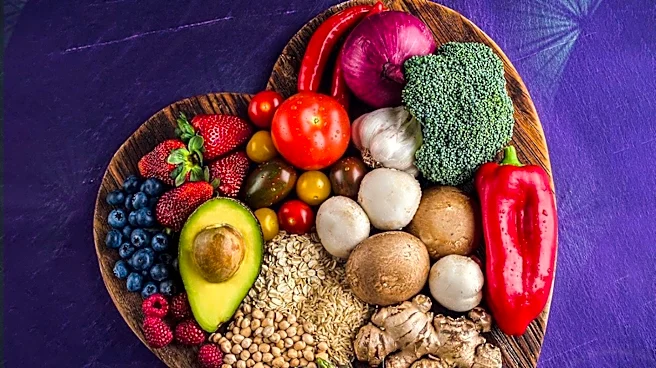
Messer says some of the most important nutrients to look for include vitamins, minerals and naturally occurring plant compounds known as antioxidants that can help protect cells from damage. "Think berries such as blueberries, strawberries, raspberries and blackberries; leafy greens such as spinach, kale and collard greens; lean protein sources such as eggs, chicken, legumes and fatty fish; and nuts such as almonds, walnuts and pistachios," advises Goodson.
Messer says nutritious foods like these are also rich sources of fiber, a nutrient the American Medical Association says 95% of Americans don’t get enough of. “Fiber is critical because it supports digestive health, nourishes beneficial gut bacteria, helps regulate blood sugar, lowers cholesterol and is associated with a lower risk of cardiovascular disease, type 2 diabetes and colorectal cancer,” she says.
Healthy fats from nuts, seeds, fish, avocados and olive oil also matter, Goodson adds, because they can support cardiovascular health when they replace foods high in saturated fat. She also points to protein-rich foods such as fish, eggs, poultry, dairy and legumes as additionally beneficial, because they supply the building blocks needed for muscle repair and growth, immune function and other essential bodily processes.
Why variety and consistency matter most
Because no single food can check all the boxes needed, optimal nutrition is “built by the overall pattern of what you eat day after day,” Goodson says.
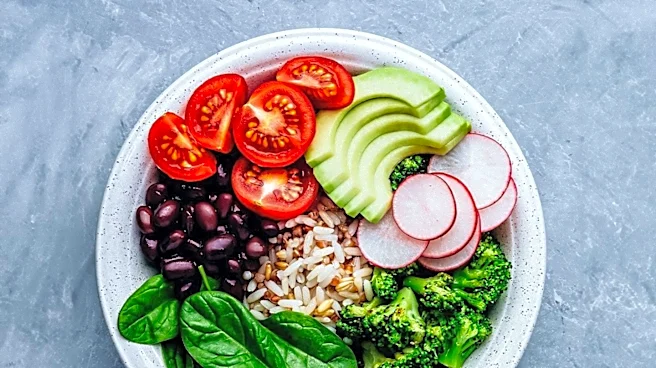
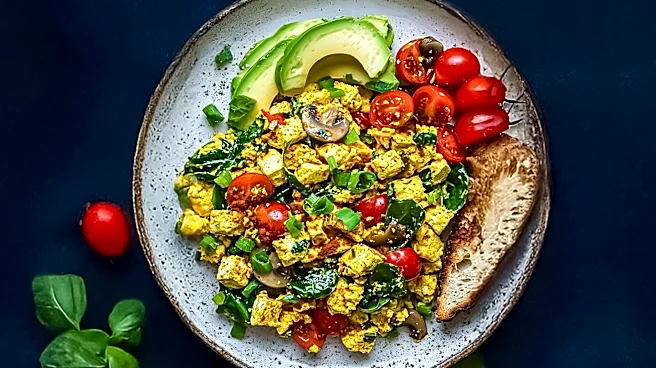
She explains that one practical approach to getting more healthy foods in your diet is to fill roughly half your plate with fruits and vegetables, then add a high-quality protein source, a fiber-rich carbohydrate and a modest amount of healthy fats. Messer adds that all this is often accomplished by making sure your plate has "a variety of color."
Simple substitutions also matter. “Choose whole grains instead of refined ones; replace processed meats with fish, legumes or other protein sources; and use a plant fat instead of fats high in saturated fat,” Messer recommends. Think peanut butter on toast instead of butter.
“Most importantly, pick just one change at a time,” she adds, “because small, consistent improvements are more likely to stick than trying to overhaul your diet overnight.”
Because, in the end, “there is no single 'superfood' that creates health,” she stresses. “A nutritious diet is built through consistent habits, variety and an overall pattern that is realistic, tasty and easy enough to be sustainable.”
This article originally appeared on USA TODAY: Inside the myth of the ‘superfood’ – and what you should really be eating