
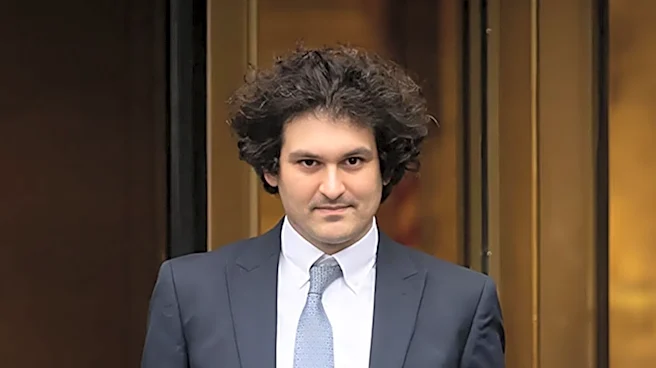
In 2023, Sam Bankman-Fried, one-time tech CEO and cryptocurrency poster boy, was convicted of fraud, conspiracy and money laundering in relation to his running of crypto exchange FTX and its associated hedge fund Alameda Research.
His conviction was due in part to the testimony of Caroline Ellison, his business partner and former romantic partner, who spoke against him for the prosecution. He was later sentenced to 25 years in prison.
The financial crimes are a bit convoluted but the story is as old as time: Boy meets girl, boy and girl create the next shiny new fintech product thing that leads to riches and fame, boy and girl cheat investors out of $10 billion dollars, boy and girl go to jail. And now Netflix is putting that story on screen with
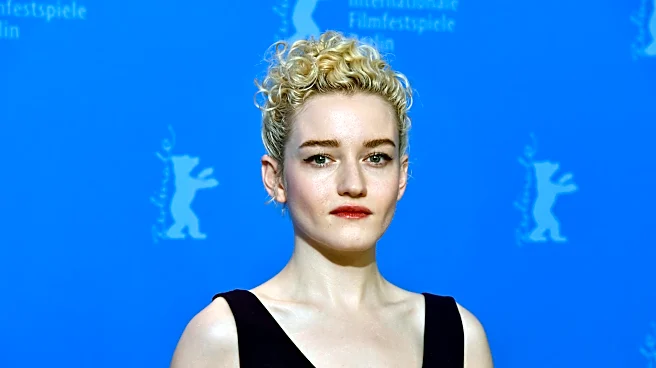
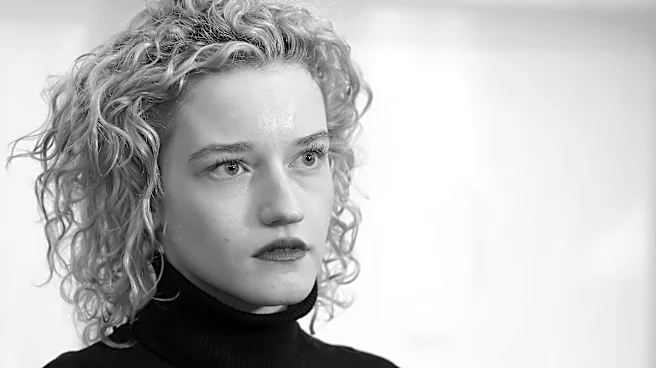
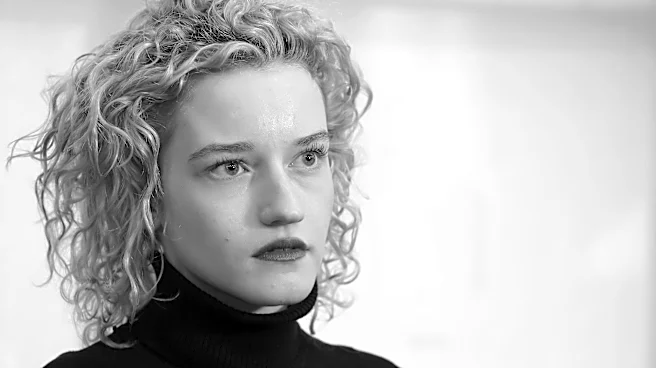
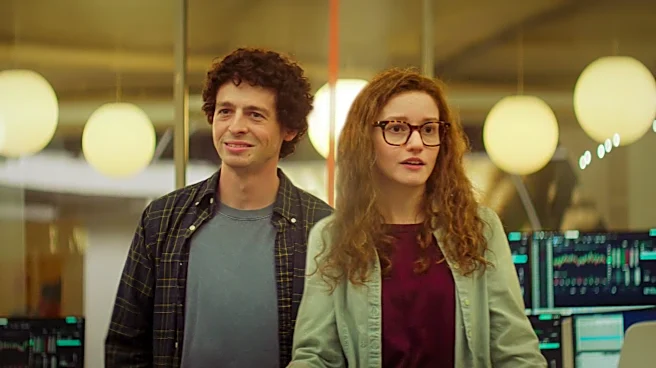
"The Altruists"(now streaming, ★★★ out of four), a ripped-from-the-headlines Emmy-bait drama starring Anthony Boyle and Julia Garner as Sam and Caroline, respectively.

It is a classic bit of streaming scammer story, a slick and shiny limited series based on salacious headlines about convicted criminals who get so big they fall so hard. Created by Graham Moore ("The Imitation Game"), it is eerily reminiscent of a certain other scam show based on a true story: Hulu's "The Dropout" (2022), which has become the subject of scrutiny thanks to its role in bombshell Elizabeth Holmes documentary "You Can See Everything" (now in theaters).
"Altruists" feels like a show aptly timed to face the questions "You Can See" raises about the stories we tell about the infamous people we think we know.
There's no denying that "Altruists" is great TV. Boyle and Garner are superb: Dynamic performers brimming with chemistry, energy and nuance in their depictions of these complicated figures. It follows the awkward, frizzy-haired pair of math-whiz-kids on their meteoric rise and devastating fall with Alameda and FTX.
It also follows a fictionalized version of their messy romantic relationship, including breakups, recriminations, sexual experimentation, betrayals and maybe some love mixed in. It directly draws a parallel between their dysfunctional companies with their dysfunctional romance. It has a lot to say about the intersection between the personal and professional. What happens, "Altruists" asks, when your friends and lovers can become your professional enemies?

At the start of the series, Sam and Caroline are two socially awkward (and, as the series portrays them, likely neurodivergent) Wall Street novices who are good at math, but not at people.
Caroline and Sam are desperately attracted to one another, but prevented from cementing their relationship by Caroline's dedication to polyamory (which Sam only half-heartedly embraces) and their quickly successful cryptocurrency startup demands more attention than either could devote to each other. They hire their friends, rake in the cash and try to deal with the consequences later (their immaturity and inexperience is also, per the series, partly explains their criminal dealings).
The series jumps back and forth in the chronology, starting with Sam and Caroline's math-cute (like a meet-cute, but with equations) in 2016 and FTX's swift downfall in 2022.
The series has a goal of showing Sam and Caroline to be fools and hypocrites, and it meets that goal almost immediately. Both are both dedicated to the "Effective Altruism" movement, which essentially suggests its members get as rich as possible so they can give that money away to causes that need it, and it's from this supposed philanthropic desire that the series takes its name. But, of course the actions of the characters do not support what anyone could ever call "altruism."

While watching "Altruists," it's hard not to think of another former billionaire who said she was going to change the world forever with a shiny new product and a bunch of investor money. Elizabeth Holmes, like Bankman-Fried, is currently serving a prison sentence for financial crimes related to her own meteoric rise and fall (Ellison has completed her prison sentence).
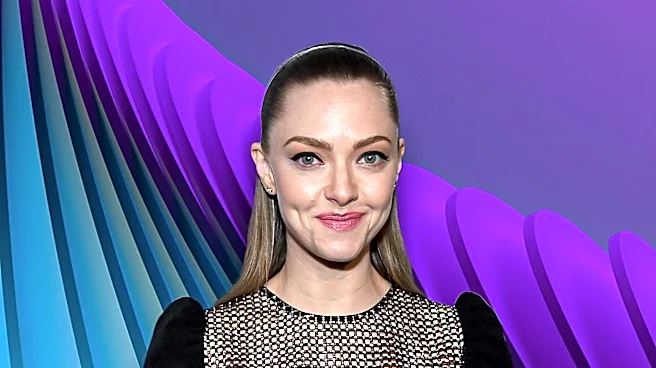
In the unsettling and trippy documentary "You Can See Everything," filmmaker Nathan Fielder got access to the real Holmes to ask her what she thinks of a fancy streaming series based on her life, "The Dropout." He even enlisted the show's star, Amanda Seyfried, in a complicated dance to separate truth from fiction and lies.
"The Dropout" had something to say about Holmes, and it was not flattering. It called her a liar and a cheat and a phony. "You Can See" gives Holmes the opportunity to rebut (however effectively she actually does).
"Altruists" is likewise completely disgusted with Bankman-Fried and Ellison. It is fictionalized, but it presents a narrative that will certainly seem like the truth. More people watch Netflix than read financial news. More people can accept emotional storytelling than complicated financial crimes court cases. "Altruists" is easy to digest. The real story doesn't go down nearly as smoothly.
"Altruists" is a fast-paced, kicky and even fun drama, with propulsive writing and great actors (Boyle should be an A-list movie star, and hopefully this series can catapult his career further). But the real people at the center of the story have caused real harm. They are receiving real punishment. This is mostly the real story.
So does it matter if we can only see everything if it's what the producers show us?
This article originally appeared on USA TODAY: 'The Altruists' makes FTX scam prestige TV. It may be 'The Dropout' again