








Cruise Confidential is USA TODAY's weekly insider briefing on the cruise industry, breaking down the trends, changes and surprises that could impact your next voyage.
After a morning walking around Saint John on a windy October day on Canada’s Bay of Fundy, I warmed up in the best place I could think of: the spa on my cruise ship.
I padded through the thermal area aboard Explora Journeys’ Explora III in my complimentary slippers and robe, alternating between the sauna, a salt cave and heated marble loungers. With my back and legs cradled by the warm stone, I nearly fell asleep to the whoosh of the nearby hydrotherapy pool.
By the time I left, the chilly gusts that greeted me when I disembarked to explore earlier that day seemed like a distant memory.
Cruises often bring to mind steamy holidays in the Caribbean, but they can serve as cozy home bases for adventures in colder weather.
“Cruising to cooler-climate destinations offers wonderful experiences that you simply don’t find in traditional warm-weather, beach-focused destinations,” Susan Guthrie, a travel agent and owner of Cruisin' with Susan and More, affiliated with Travel with Sparkle, told USA TODAY.
I gave it a try during an eight-night voyage to New England and Canada. Here’s what it was like.
What are the perks of visiting cooler destinations by cruise?
“One of the things I love most about cooler-climate cruising is the combination of adventure and comfort,” Guthrie said in an email. “You can spend the day exploring spectacular landscapes, discovering local culture, and observing fascinating wildlife, then return to your ship to enjoy a delicious dinner, onboard entertainment, and a comfortable place to relax.”
The spa was one of many options on Explora III. In my suite, I spent an evening reading at sunset on my plush gray couch in a nook beside the bookshelf. After an outing on a sunny but frigid day in Havre-Saint-Pierre, I went straight to the ship’s Crema Café for a latte.
Guests didn’t need to leave the ship to sightsee, either.
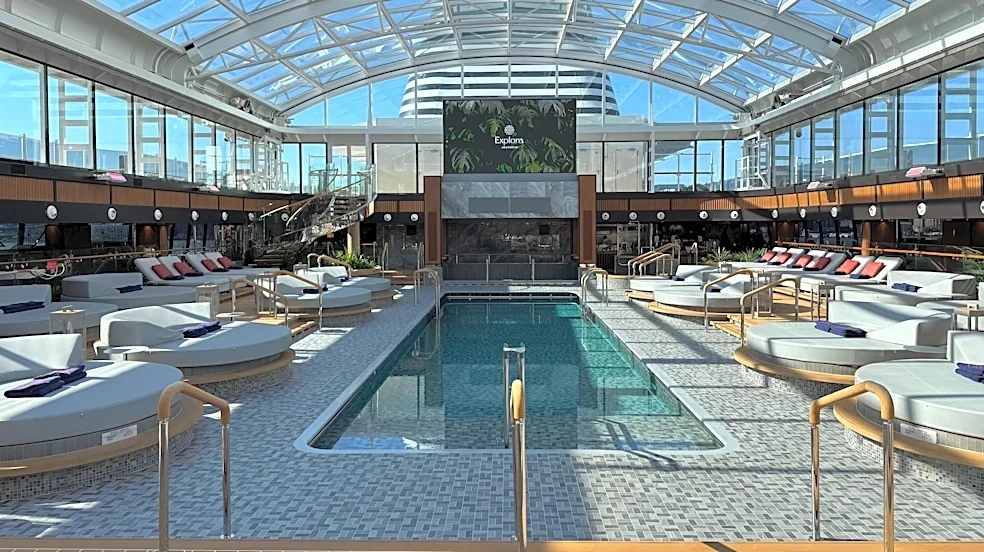
The Conservatory Pool area with a retractable glass roof was warm but not stuffy, and offered ample chairs and loungers, along with whirlpools with built-in benches facing the sea. I had lunch multiple times at tables by the window at Shore Club on 11 at The Conservatory, watching the waves as I enjoyed meals like a perfectly cooked Angus beef burger and chicken paillard.

Most mornings, I woke up and opened my curtains as Explora III was gliding into a new port, with cliffs, quaint houses and fall foliage on full display (though the leaves were not equally colorful in every port). “Cruise ships can navigate spectacular fjords and scenic waterways that are difficult or impossible to experience in the same way from land,” Guthrie noted.
More travelers are booking shoulder season vacations in 2026: Virtuoso said in August that bookings for fall trips to Europe increased by 49%. That uptick came even amid a rate increase of over 7%, “lifting overall sales 64 percent and showing that travelers are choosing the season for what it offers rather than what it saves,” according to a news release.
“Rate growth was sharpest along the French Riviera, up 179 percent, followed by Puglia, up 78 percent, and the Greek Isles up more than 130 percent,” Virtuoso said. “The ‘coolcation’ has become the ‘fallcation,’ and festive season is following the same arc, with bookings up 65 percent and sales up 56 percent.”

There are other perks of traveling by ship, too – regardless of the weather.
Cruise fares typically cover more than hotel pricing structures – from dining to entertainment – and the vessels serve as floating accommodations, so guests only need to unpack once. Meals are also available throughout the day, Guthrie noted, making it easier to accommodate excursions and other plans ashore.
“Best of all, much of the travel logistics are handled for you, eliminating a great deal of the stress that can accompany a multi-destination vacation,” she added.

Which destinations offer cool-weather cruises?
The Canadian Maritimes are ideal for travelers who “love coastal scenery, historic towns, fresh seafood, and charming fishing villages,” according to Guthrie. Temperatures are typically still warm in July and August, but travelers will find cooler weather by September and October.
“The fall season brings crisp air, beautiful coastal scenery, and the opportunity to explore after some of the summer crowds have departed,” she said. I noticed other cruise ships and fellow tourists throughout our journey – such as in Portland, Maine, where I waited in line for about 10 minutes for a dark chocolate sea salt donut at The Holy Donut – but none of the ports felt overcrowded.
Alaska, meanwhile, where the main cruise season runs from May through September, provides opportunities for “glacier viewing, whale watching, wildlife encounters, and exploring Alaska's charming coastal communities.” May and September, in particular, can be more affordable and less packed, but passengers may also encounter colder conditions and limited availability at seasonal attractions.

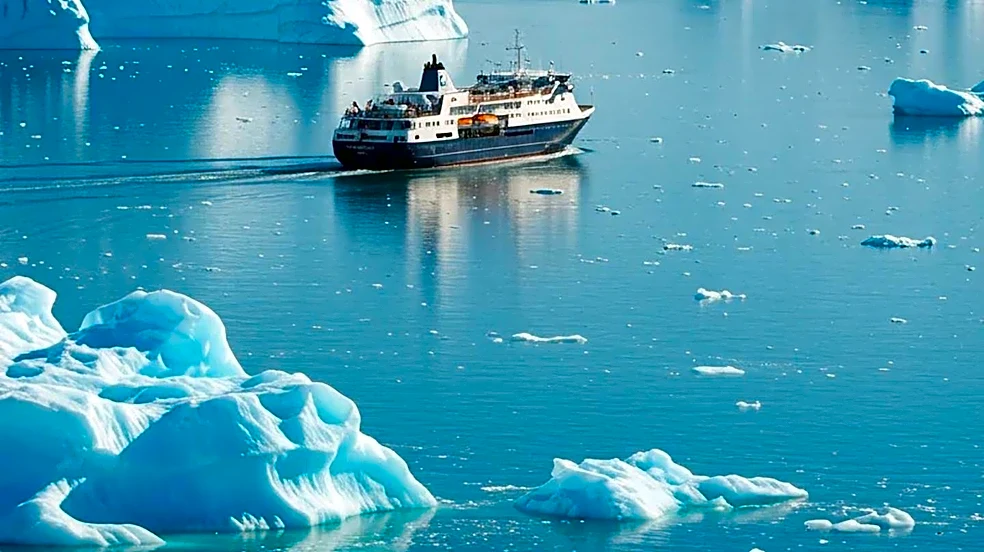
Other popular options include Norway, with its fjords and coastal villages, and Iceland, home to black sand beaches and geothermal pools. Travelers can also reach remote locales like Antarctica and the Arctic by cruise, with particularly immersive itineraries available on expedition ships.
Tips for cool-weather cruising
- Book early: “Cooler-destination cruise seasons are relatively short, and popular sailings and desirable staterooms can sell out well in advance,” Guthrie said. Many guests make reservations between 18 and 24 months ahead of time.
- Prepare for longer – or shorter – days: During the summer, the sun stays out longer in destinations like Iceland and Norway, so Guthrie recommended that passengers who are sensitive to light bring an eye mask. “For Canadian Maritimes sailings in early autumn, remember that daylight hours are shorter, so plan your sightseeing accordingly,” she added.
- Pack layers: Temperatures can vary, so it’s helpful to have a range of options depending on where the cruise is going. On my New England and Canada cruise, the climate got colder as we went, dropping from highs in the mid-60s to the low 40s. The day after the voyage began in New York, it was still warm enough to have breakfast on my suite balcony in a T-shirt and shorts, but by the time we arrived in Havre-Saint-Pierre five days later, I couldn’t step outside without a sweatshirt and jacket.
- Get outside: “Although it can be tempting to watch everything from indoors, don't miss the opportunity to spend time on the open decks,” Guthrie said. “Some of the best wildlife sightings and most memorable scenic views happen outdoors.” If guests book a balcony room, that can be as simple as opening their cabin door (Explora also provided binoculars in each suite).

Cool-weather cruises and land-based trips aren’t mutually exclusive, either. Many lines offer packages that combine sailings with shoreside exploration – such as Alaska cruise tours that visit Denali National Park and Preserve – or guests can arrange independent pre- and post-voyage travel.
My journey didn’t end when Explora III arrived in Quebec City. I stayed for two more nights to enjoy fall on the Saint Lawrence River.
The reporter on this story received access to this event from Explora Journeys. USA TODAY maintains editorial control of content.
Nathan Diller is a consumer travel reporter for USA TODAY based in Nashville. You can reach him at ndiller@usatoday.com.
This article originally appeared on USA TODAY: Skip the Caribbean. Why you should take a cool-weather cruise instead