
Being a digital nomad sounds idyllic, but like everything, it comes with its ups and downs.
The lifestyle of traveling while working remotely is on the rise. Around 18.5 million Americans called themselves
digital nomads, according to MBO Partners' 2025 State of Independence study. That's a 153% increase from 2019.
As appealing as it is, digital nomadism also has its own set of challenges. Taxes, visas and unstable Wi-Fi in a foreign country are just a few issues that people have to deal with – and some countries are more difficult to navigate than others.
Nearly two-thirds of 600 surveyed travelers said administrative tasks like paperwork and visas take up more time than they expected, according to Global eSIM provider Holafly's recently released its Digital Nomad Friction Index 2026.
"Arriving to a country is usually the easy part. The real burnout happens when remote professionals hit a wall of post-landing bureaucracy, lost work hours, and unstable internet," said Metin Kastro, COO at Holafly, in a statement. "We ran this study to shed light on these hidden friction points because long-term mobility only works when everyday logistics stop eating into people's livelihoods and peace of mind."
The index also ranked 17 popular destinations to determine which ones have the most friction for digital nomads, based on factors such as visa complexity, local bureaucracy, banking access, connectivity, healthcare and disruption risks. That doesn't mean these places aren't worth visiting; it's just going to take a little bit of extra work to do it.
Here are the countries ranked from easiest to hardest for digital nomads.
17. Georgia

Georgia doesn't just offer pristine nature and a rich culture from sitting at the crossroads between Europe and Asia; it's also one of the easiest places for digital nomads to work from. The country lets citizens from over 95 countries, including the U.S., live and work visa-free for a year. Plus, there are no requirements for a tax ID or address registration.
16. Peru
Peru's Rentista Visa stands out from the rest because it offers indefinite legal residence as long as you can prove a monthly income of $1,000 – one of the lowest minimums in the ranking.
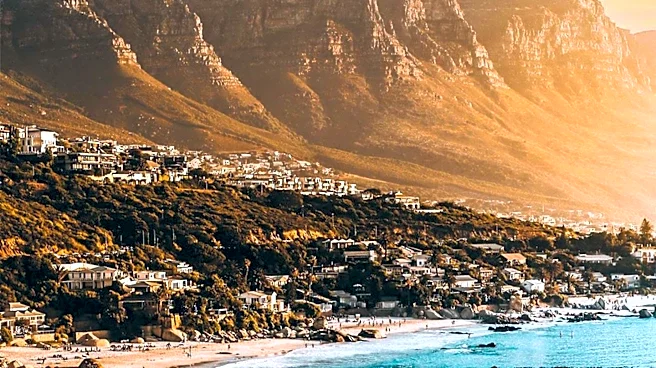
15. South Africa

For remote workers who want to immerse themselves in South Africa's stunning nature, the country's bureaucratic process is generally not too tedious. There's no mandatory address registration or tax ID that foreigners need to acquire.
14. Malaysia
Under Malaysia's digital nomad visa, people can work and live for up to a year and renew for another. They may run into challenges trying to open a bank account, since it requires proof of local address and other documents.
13. Thailand

Thailand's digital nomad visa is the perfect choice for those who want to enjoy delicious street food and gorgeous beaches at a low cost of living. It's valid for five years, allowing multiple stays up to 180 days. Depending on how long you're in Thailand, you may need to pay taxes.
12. Vietnam
Technically, Vietnam doesn't have a digital nomad visa or long-stay option for remote work, unless you can make a six-figure capital investment.
11. Portugal
Portugal is a hotspot for expats because of its relaxed lifestyle and affordable living. Its D8 visa for digital nomads lets people work remotely in the country for a year with the option to renew for longer. But since it's so popular, the process is notoriously bottlenecked and applicants often face delays.
10. Hungary

Hungary's White Card lets people work and live in the country for up to one year. However, since it's part of the EU, digital nomads need to follow a bureaucracy tax obligation that can be confusing to navigate.
9. Croatia

Croatia's stunning blue waters attract many people to apply for its temporary residence permit, which is similar to a digital nomad visa. Similar to Hungary, as an EU country, the tax rules can be a headache to navigate.
8. United Arab Emirates

The UAE offers the lowest disaster risk while also having the highest political stability score, but those benefits come at a price because it also has the highest cost of living in the rankings. Some people may struggle with bank access because you need an Emirates ID to open an account, according to Holafly.
7. Spain
Spain has one of the most well-known digital nomad visas, allowing you to live there for one to three years depending on your permanent resident status. However, the application has some tricky steps, including needing to register a local address as proof of residence at the local town hall and gathering the right documents to get a Número de Identidad de Extranjero, which is an identification number used for tax purposes.
6. Bulgaria

In Jan. 2026, Bulgaria launched its first digital nomad visa, allowing remote workers to explore more of its Black Sea coastline, rich culture and mountains. But first, digital nomads need to deal with mandatory address registration and tax ID requirements.
5. Argentina
Known for its vibrant culture and European architecture, Argentina offers a permit that lets foreign nationals live and work there for 180 days with the option for renewal. According to the ranking, this South American nation has the weakest WiFi connectivity.
4. Indonesia

Digital nomads with dreams to surf or live by the beach first have to deal with Indonesia's income threshold of $60,000, which is on the higher end for most digital nomad visas. This island nation also has a low healthcare score, so travelers should keep that in mind too.
3. Germany
If you want to work from Germany under its remote freelancer visa, prepare to deal with lots of paperwork. The European country scored highest for tough bureaucratic processes, including the Anmeldung address registration – meaning you have legal residence in the country.
2. Mexico

Mexico is beloved by expats for its low cost of living and laidback lifestyle, but travelers looking to live and work remotely under its temporary resident visa may find it tricky to open a bank account without formal residency. The country also ranked high for risks of natural disasters.
1. Colombia
Colombia's gorgeous landscapes and vibrant cities make it attractive to travelers, but it was ranked as the most challenging destination for digital nomads. Although it offers the cheapest cost of living, it scored high across the more unfavorable categories. Digital nomads may come across poor WiFi, difficult paperwork and banking processes, plus a risk of natural disasters.
Kathleen Wong is a consumer travel reporter for USA TODAY. She's the author of "The Conscious Traveller Hawai'i" and is based in Hawaii.
This article originally appeared on USA TODAY: Want to be a digital nomad? The countries where it's easiest, hardest