



You probably paid a lot for your oven, so why not make sure you’re getting the most out of it?
If you’ve ever cooked the same meal or cooke recipe multiple times and it turn out slightly differently each time, it could be due to your oven temperature or which rack you place it on. Whether you’re baking a feast fit for a king or dessert for one, those factors can affect how your dish turns out.
Watch this video for a quick guide on the different features and temperatures of your oven.
Oven temperatures
On average, it takes 15-20 minutes to preheat an oven, according to Bon Appétit. Appliance manufacturer Whirlpool breaks it down further, explaining that it takes an oven about 5 minutes to heat up 100 degrees. This can, of course, vary based on your oven.
No matter
how tempting it is, do not open the oven door while the food is cooking. Constant or repeated opening of the door will let out heat and affect the cooking. If you need to check on the status, turn on the oven light.
The temperature at which your food cooks or bakes at will have an impact on the final result:
- 325ºF and lower is good for low, even cooking. This works well for many baked dishes.
- 350ºF is the sweet spot. This temperature will cook your food evenly and get it nice and brown in all the right places.
- 375ºF - 450ºF is where you should aim for browning, crisping and roasting of the exterior while slowly cooking the interior.
If you notice your go-to dishes are inconsistent and cook differently each time, consider getting an oven thermometer to compare the temperature inside the oven with the one showing on your display.
Regardless of your oven temperature and cook time, always check the doneness of meat and poultry with an internal meat thermometer to confirm it has reached the correct internal temperatures.
Shop related products:

Rubbermaid Commercial Products Stainless Steel Oven Monitoring Thermometer
Ensure a thorough, consistent cook every time with the help of this oven thermometer, which you can use to compare the temperature inside the oven with the one showing on your display.
Shop at Amazon
Oven rack positions
Rack position, airflow and the location of the heating elements can make a noticeable difference to the final result. When you’re using your oven to bake, the heating element is typically at the bottom. When you’re broiling, the heat is coming from the top. If you have a convection oven or feature, it uses a fan at the back of the oven to help circulate the air.
How you position food on the racks in relation to the heat source will impact how it cooks, browns or burns.
- The lower parts of the oven are ideal for dishes you want to be brown and crispy. Think of foods such as bread or pizza.
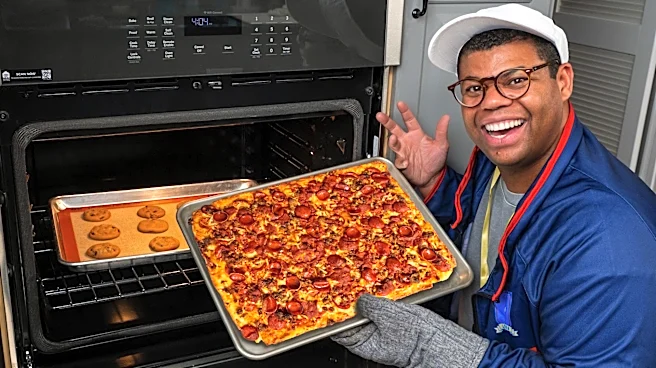
- The middle of the oven has the most even heat distribution and is best for all of your general cooking and baking needs. This is best for foods such as cookies, muffins, cakes and chicken, and for reheating food.
- The upper levels are best for browning and roasting foods. It’s also the ideal position for using the broiler.
- Broiling will quickly brown cheeses, vegetables, meats and casseroles, but the intense heat means it happens fast. Watch foods closely when they’re broiling because they can quickly go from browned to burned.
- If you’re cooking larger items, place them on a rack that will allow them to be in the middle of the oven. For example, if you have a large turkey, place it on a lower rack so the bird itself is in the middle of the oven.
When you have dishes on multiple racks, leave space between the pans so the hot air can circulate. So instead of placing both dishes in the middle of each rack, consider putting one on the left and the other on the right.
Convection ovens are slightly different, so be sure to follow any guidance from your recipe or your oven’s instruction guide to adjust the temperature.
This article originally appeared on USA TODAY: This is what different oven temperatures, rack placement does to food
Our editors independently choose our recommendations. Some content is produced with paid support from a third party, however our editorial decisions remain independent. If you buy through our links, the USA TODAY Network may earn a commission. Prices and availability may change.