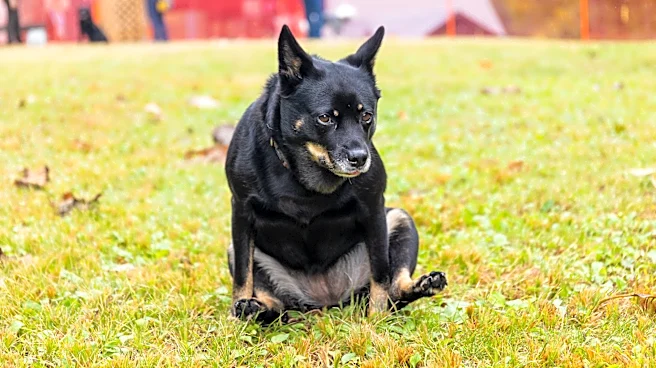




A dog dragging its rear end across the floor may look funny, but repeated scooting can be more than an awkward habit. Anal gland problems are one possible cause, but they are not the only reason a dog may suddenly start treating the carpet like toilet paper.
“A dog’s backside can actually provide a surprising amount of information about their overall health,” said Heather Antos, a licensed veterinary technician and member of Dogtopia’s Canine Behavior Expert Council. Changes in poop, excessive licking, unusual odors, and even the way a dog holds its tail can all offer clues about what is happening behind the scenes.
Here’s what pet owners should know when their dog’s rear starts raising questions, and what to keep an eye on before turning the other
cheek.
Why do dogs scoot?
Scooting usually means a dog is trying to relieve itching, irritation or discomfort around the anus.
“Anal glands are only one possibility, but they aren’t always the cause of scooting,” Antos said. “Other reasons a dog may scoot include parasites, allergies or skin irritation, skin infection or simply residue from the last bowel movement.”

Dogs have two small anal sacs located near the anus that hold a strong-smelling fluid. These glands typically empty naturally when a dog passes firm stool. When they do not empty completely, they can become uncomfortable, impacted or infected.
An occasional scoot after going to the bathroom may not be cause for panic. Repeated scooting, however, is worth investigating, especially if it is accompanied by licking, swelling, odor or changes in stool.
What should healthy dog poop look like?
Stool consistency can affect more than digestive health. Firm, well-formed stool helps place pressure on the anal sacs during a bowel movement, allowing them to empty naturally. Frequent loose stool may not create enough pressure for that process.
“A healthy dog’s poop should be a consistent brown color and firm, but not too hard where the dog has to strain,” Antos said.
Bowel movements should also be relatively consistent and free of blood, mucus or foreign material.

“If your dog is having loose stools often, then their anal glands are not getting properly self-expressed,” Antos said.
One unusual bowel movement may reflect stress, a dietary change or something questionable your dog sampled off the sidewalk. Persistent changes, however, can point to a larger problem.
“Repeated loose stools for over 48 hours could indicate a virus or digestive issue,” Antos said. “Very hard stool that is difficult to pass can indicate dehydration. Any lasting changes over 48 hours should be brought to the attention of your veterinarian."
What are other signs of an anal gland problem?
Scooting may be the most obvious sign, but it is not the only one.
“Licking is a big one,” Antos said. “If you notice your dog is constantly licking or biting at their back end, they may need their anal glands expressed.”
Owners may also notice a strong, fishy odor.

“This usually means that they have self-expressed their anal glands, but they may also have only expressed a little bit and may need help expressing the rest,” Antos said.
Any redness, swelling, discharge, or new bumps around the anus should be taken seriously, as they could indicate an infection, an abscessed anal gland, parasites or a bacterial skin infection.
What can your dog’s tail tell you about their health?
A dog’s tail is not just a mood ring.
Excessive licking or chewing around the anus or base of the tail can signal anal gland impaction, parasites or fleas, particularly when the irritation is concentrated near the tail base.
“When the tail is suddenly held low or tucked under the body, this can indicate fear, anxiety or pain,” Antos said.
A tightly clamped tail may point to discomfort in the tail, lower back, pelvis or anal area, while difficulty lifting it to defecate or wag can signal pain or injury. Owners should also watch for licking that is sudden, persistent or severe enough to cause hair loss or skin damage.

Tail position should be considered alongside the rest of the dog’s behavior. When a sudden change appears with scooting, licking, straining or abnormal stool, it may be time to stop chasing your tail and call the vet.
How can owners treat trouble at the tail end?
Scooting may be the first sign owners notice, but it is often only one piece of the puzzle. Depending on the cause, a veterinarian may recommend expressing the anal glands, treating an infection or addressing contributing issues such as chronic soft stool, allergies, parasites or excess weight. Dietary changes, anal gland probiotics or added fiber may also help improve stool consistency in some dogs.

“Any at-home remedies should always be discussed with your veterinarian first,” Antos said. “A thorough examination is always recommended when anal gland issues arise to rule out any underlying issues.”
Paying attention to what is happening at your pet’s rear end can help catch a small problem before it becomes a bigger pain in the backside.
This article originally appeared on USA TODAY: Why is your dog scooting? What your pup's backside is trying to tell you