




Riddle me this: Who said these words, and to what political party do they belong?
“The American people are a welcoming and generous people. But those who enter our country illegally, and those who employ them, disrespect the rule of law. ... Americans are right to demand better border security and better enforcement of the immigration laws.”
Or this one: "We have to send a clear message. Just because your child gets across the border, that doesn't mean the child gets to stay."
I don't know about you, but that sounds like President Donald Trump echoing his far-right, MAGA – excuse me, Republican – followers.
You'd be wrong.
President Barack Obama told Americans in 2006 they were right to demand better borders. His would-be successor, Hillary Clinton,
told a 2014 CNN town hall that even immigrant kids separated from their parents don't get a free pass to stay just because they made it across.
I have to say, looking at the Democratic Party's stance on immigration now, those statements from two of its former leaders have aged like milk.
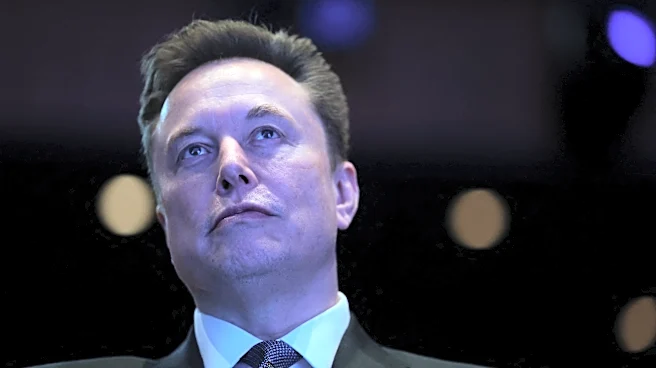
Don't blame me for the bait and switch – I was testing how far Democrats have shifted on immigration in the past 20 years. Buried about an hour into Elon Musk's recent 90-minute interview with Zanny Minton Beddoes, editor-in-chief of The Economist, is a powerful diagnosis of the growing gulf between America and Europe, Republicans and Democrats, "normal people" and the mainstream media.
'I support the normal people'
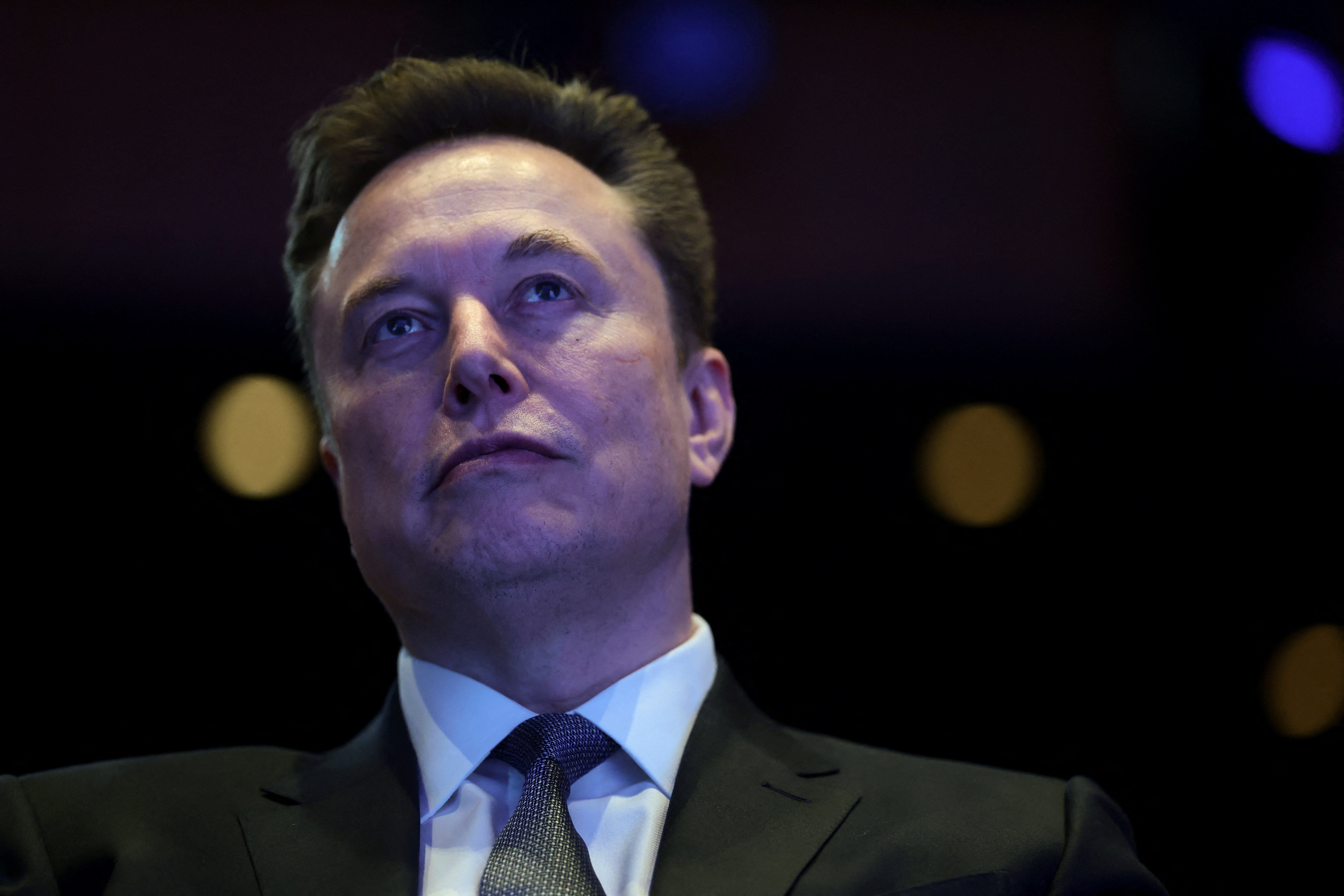
In the July 23 interview, Beddoes pivoted from artificial intelligence to the Russia-Ukraine conflict, then to U.K. and European politics – she lives in London and has a clear stake in the argument. She took offense that Musk, who owns X and who has more than 240 million followers on the social media platform, has suggested that the United Kingdom has rising rates of crime and rape.
She repeated the claim in a July 24 CNBC "Squawk Box" interview, which prompted Musk to call her "a traitor to the West" on X.
In The Economist interview, Beddoes told Musk: "You support not just the populist right but the far right – in fact, very fringe parties."
"No, I support the normal people. What you call the far right, falsely," Musk responded.
The CEO of Tesla and SpaceX challenged Beddoes to consider that 10 to 15 years ago, Obama and Clinton held the same views on immigration and other issues that Trump holds today, views the "lunatic left" now brands far right.
"Here are the principles. Tell me which of these sound terrible: that we should have secure borders, that we should have safe cities, that we should have sensible spending. Which of those three are far-right fringe?" Musk asked.
He accused Beddoes and the media of "the absurd characterization of the far right," calling it "false and misleading and nonsense," then challenged her to keep the exchange in the edited version on The Economist.
Musk is right, and Obama- and Clinton-era policies and quotes prove it. It wasn't long ago that Obama sounded a lot like Trump – he even earned the nickname "deporter-in-chief." Yet today, Trump is vilified for enforcing the same laws.
Spencer Pratt's campaign for Los Angeles mayor ran on a simple message: Make Los Angeles safe and clean again. Mayor Karen Bass branded him a "MAGA" candidate anyway.
At every level of government, commonsense ideas Democrats once agreed on are now dismissed as fringe. The result is a chasm between right and left, dug deeper by the media.
Musk takes on the media
Musk went on to tackle one of his favorite targets: the mainstream media. When he said he believes civil war is "inevitable" in the United Kingdom, Beddoes bristled.
"Why should you be able to shape European politics? You don't even live there," she asked, adding that his meddling across the pond is why "people loathe you."
Musk didn't back down: "Maybe some people do loathe me, and that's probably true. I don't care. But the fact that ... a quarter billion people follow me is that I think a lot more people actually like me than don't. And I think a lot more people hate you and the media more than you realize. Do you realize the media is despised? ... A favorable view of journalists is like 15%. So the shoe is on the other foot. They hate you far more than they hate me."
The interview itself proves Musk's point, down to the meta level. Here he is, interviewed by one of the world's most prestigious publications, in part for his prescient work on AI. On that, he's brilliant – Beddoes listens with something close to reverence. Then the conversation turns to politics, and her posture shifts: Now he's wrong, dangerous, fringe.
For 30 minutes, she argues with the richest man in the world because he holds views Democrats and Republicans shared 20 years ago and the left now brands racist and bigoted. When he points out how much the media is hated for digging that chasm themselves, she's appalled.
Fittingly, one of Musk's last remarks was a defense of his own common sense.
"My political views are centrist," he said. "They're not far right and in fact, calling it far right, I think, is an insult to history and an insult to many peoples and it is an outrageous falsehood. It's completely absurd."
I agree. History – even just Obama and Clinton's words from 20 years ago – shows it, too.
Nicole Russell is an opinion columnist with USA TODAY. She lives in Texas with her four kids. Sign up for her newsletter, The Right Track, and get it delivered to your inbox.
This article originally appeared on USA TODAY: Remember when Democrats used to sound like Trump? | Opinion