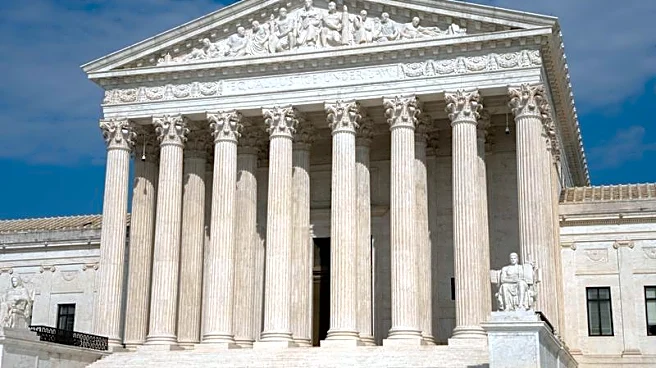

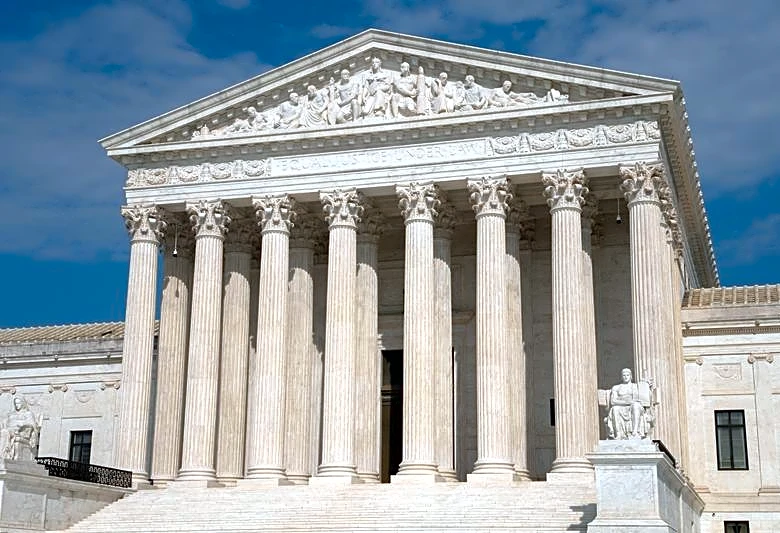

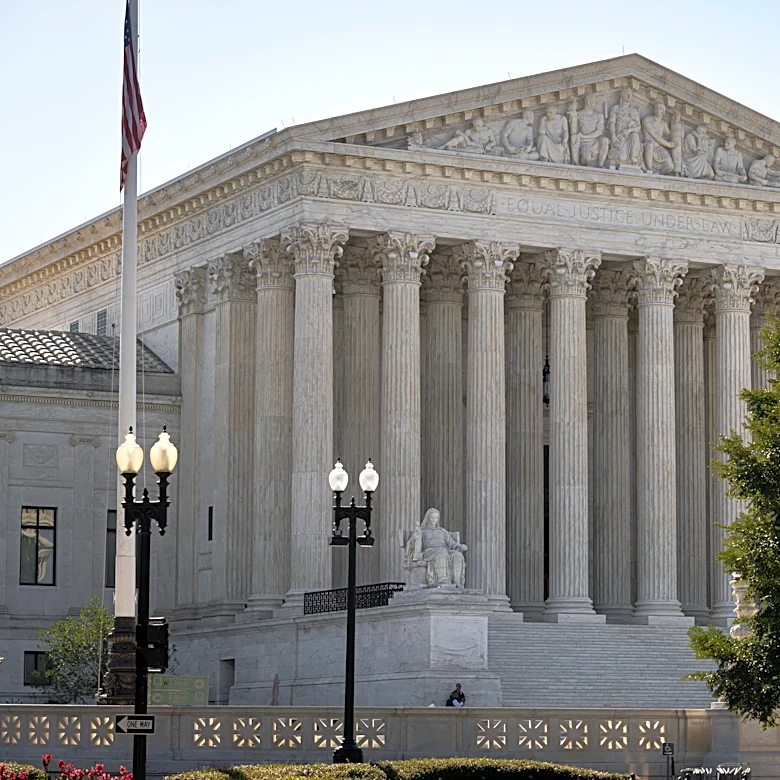

WASHINGTON – The Supreme Court on Sept. 4 sided with the Republican Party in a dispute over radio and television advertising rates that could help the GOP maintain control of Congress in the November elections.
The justices cleared the way for political parties to get the same discounted rates that candidates enjoy based on the Trump administration’s interpretation of a federal law.
There was only one noted dissent, from Justice Ketanji Brown Jackson.
An appeals court had blocked the new policy from going into effect.
Republicans, who are trying to fend off a blue wave to protect their majorities in the House and Senate, are expected to benefit from the high court’s intervention
because their political committees have raised considerably more money than have Democrats' party committees. That could help the GOP close resource gaps in key races where Democratic candidates have outraised Republicans.
The Supreme Court previously gave the GOP a boost in June when a majority struck down a 50-year-old rule capping how much parties can spend in coordination with candidates.
The latest decision allows parties to stretch those dollars farther when buying broadcast ads to help candidates.
Law says candidates get lowest ad rates in runup to elections
In the run-up to an election, states are required by federal law to give their lowest rates to “any person who is a legally qualified candidate for any public office in connection with his campaign.”
In March, the Federal Communications Commission said that applies to ads run by political parties in coordination with candidates.
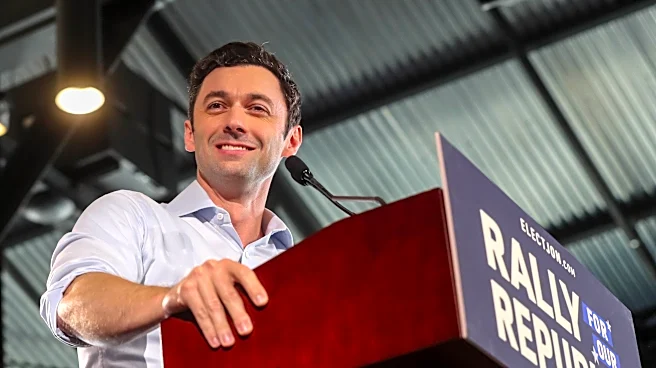
Four Democrats running for the House or Senate in battleground races – including Georgia Sen. Jon Ossoff − challenged that interpretation.
Ossoff had 20 times more campaign cash at the end of June than his Republican challenger, Rep. Mike Collins, according to disclosure reports.

Lower court ruled for Democrats
In a 2-1 decision, the Richmond-based 4th U.S. Circuit Court of Appeals agreed with the Democrats, ruling that the law is “unambiguous” and doesn’t support the FCC’s “significant and unilateral expansion” of the lowest-rate requirement.
The campaign arms of House and Senate Republicans asked the Supreme Court to intervene. The Justice Department backed that request.
The GOP and the government argued that not only did the appeals court get the law wrong, but the court should not have gotten involved at all because the FCC’s announcement was not a final decision by the agency.
The Justice Department also argued that Democrats can’t challenge the policy because it gives both political parties the opportunity to benefit from lower ad rates and "does not grant favored treatment to one side or the other."
Lawyers for the Democratic candidates said they’re harmed by the policy – so are entitled to sue – because it requires them to raise and spend more money in response to party ads.
The National Republican Senatorial Committee and the National Republican Congressional Committee told the Supreme Court they’d already “budgeted tens of millions of dollars in ad buys under these rules.” But because of the appeals court’s rulings, broadcast stations “are already rescinding these rates.”
Lawyers for the Democrats have said the GOP is trying to “throw a lifeline to its weak and failing federal campaigns by paying for television advertising at low rates that Congress reserved for federal candidates alone.”
This article originally appeared on USA TODAY: New Supreme Court ruling helps GOP buy cheaper TV ads for critical midterms