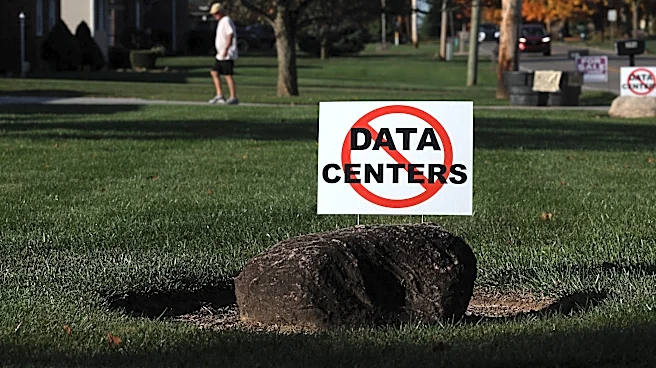









Data center developers are pivoting in response to voters’ decisive rebuke of the industry in the midterm elections, preparing for federal AI regulations that the new Congress has promised to set.
“The midterm elections provide a very uncertain ground on the extent to which data center developers will be able to move forward with their plans to accelerate construction,” said Nicol Turner Lee, Brookings Institution director for the Center for Technology Innovation.
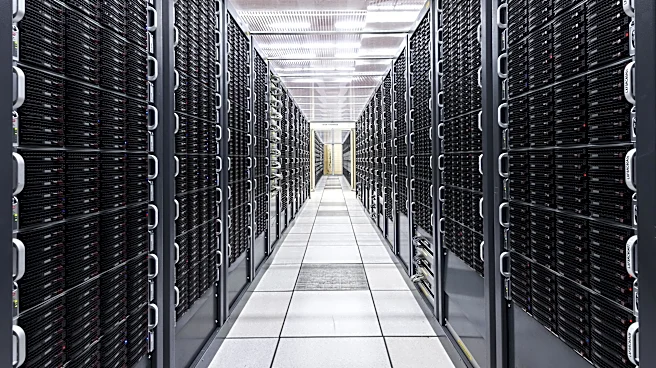
The U.S. saw an increase of 911 data center projects between 2016 and 2026, with 571 more under construction, according to data center development tracker Cleanview. Part of the exponential increase was to handle the needs of growing AI companies.
Without federal regulation, cities and
states have been passing local limitations like moratoriums or community benefit agreements. The midterms, however, brought to power politicians who campaigned on promises of federal legislation, which would force AI companies to slow down or change the way they implement new projects.
Newly elected governors could pause up to 41% of the planned data centers in the U.S., a Cleanview analysis found. But legislation doesn’t mean data center developments will halt overnight.
“I think the AI companies are obviously going to recalibrate their strategy, given the likelihood of more regulatory constraint when it comes to data center development,” Lee told USA TODAY.
She expects projects to proceed “because that is the only way that we will be able to accommodate the growing demand for AI and other forms of compute," or processing power needed for AI. "I don't think they're going to go away.”
So how are developers responding?
OpenAI has started rebranding data centers as “compute campuses." Following the election, the company published a “National Community Compact” agreeing to publish construction plans, provide information about community impacts and not use non-disclosure agreements with public officials.
“Voters delivered an overwhelming message on data centers this week, and it is incumbent upon industry actors to hear that message and respond to it by building AI infrastructure in ways that benefit both individual communities and the country as a whole,” OpenAI’s head of strategic futures Dean Ball wrote in an X post on Nov. 5.
OpenAI’s only active data center is in Texas, where Governor-elect Gina Hinojosa said she plans to impose a moratorium until the state legislature defines new guidelines. Currently permitted data centers will be allowed to finish construction in Texas based on Hinojosa's proposal.
“Communities have been quite reasonable and transparent about what their concerns are across the country,” Lee said. “It's no secret what they worry about, and so this is an opportunity for the developers to pay attention to that.”
Meta president Dina Powell McCormick told the Wall Street Journal that the industry hasn’t done a good enough job explaining the benefits of data centers. She said that Meta will have an easier time expanding existing data centers rather than building new ones because of the midterms.
Meta has active developments across 23 different states, including Texas and Ohio. Ohio saw 18 communities approve limitations on data center developments in the midterms. One of those communities was Piqua, Ohio, where a Meta data center is in the planning stages. The city passed a ban on all data centers in city limits.
“We are proud of our investments in Ohio, and will work with local officials to determine the future of our investment in Piqua,” a company spokesperson told USA TODAY.
Meta has been meeting with elected officials to discuss data centers — including one governor who wasn’t named — McCormick told the Journal.
Assistant professor of information and public policy at the University of Michigan Ben Green said he is skeptical about some statements AI companies have made regarding community agreements and data centers.
“They have been putting out efforts to sort of reposition themselves as good responsible stewards to think about the future of data centers,” he told USA TODAY. “They are trying to find new ways to suddenly reinsert themselves into the conversation with this sort of aura of responsibility.”
What happens when a moratorium ends?
In the period of limbo before federal legislation is passed, moratoriums have become one of the more popular actions for local communities to take against AI.
Moratoriums act as temporary bans on developments. Over 440 data center moratoriums are active in the U.S., and 34 states have considered moratorium bills, according to a moratorium tracker maintained by Interconnected Capital.
“What the moratoriums do is buy you time, and then you want to use that time to put stronger enforcement in place or come to a more thoughtful collective decision about, do we want data centers and under what conditions?” Green said.
Most communities are banking on the fact that federal legislation will have passed by the time the moratorium ends. Many candidates promised to put limitations on data centers if elected or painted their opponents as being in the pocket of big tech.

Minnesota Representative-elect Matt Little, for example, has been pushing to ban data center construction and nondisclosure agreements at the national level. In Michigan, Senator-elect Abdul El-Sayed set “terms of engagement” for data centers in his state, including water protection, jobs guarantees and community benefits.
In Ohio, democratic Senator-elect Sherrod Brown said he will require data centers to pay the full cost of their utilities, calling his Republican opponent John Husted the “face of data centers”.
But “actually getting a moratorium or ban passed is a different beast than campaigning on it,” Green said.
The patchwork of local and state measures that emerged in the absence of federal policy has contributed to inconsistent restraints on the AI industry, Lee said.
But while the new Congress will likely require reform and taxpayer rate protections, Lee said, “we don't want to see a lot of preemptions of existing laws that have been developed by states who are aggressively safeguarding their communities from any of the potential harms that may come from a data center.”
The broader AI landscape
Data centers have been around for decades, acting as warehouses to access and analyze information that lives on the cloud, but opposition to them is more recent and tied to AI.
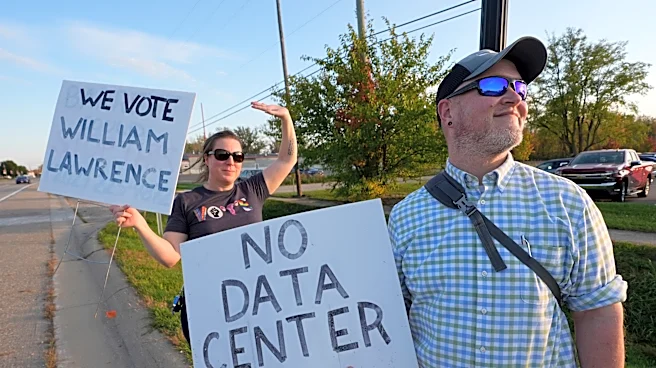
Exit polls from NBC News found that 56% of voters said AI and data centers were a “crucial or major factor” in their vote. Seventy-six percent said they would oppose the construction of new data centers in their communities.
“Data centers became – naturally and by design – a proxy for concerns about affordability, corporate power, and communities losing control to special interests. Opposing them offers a tangible way to stand up to a technology that otherwise seems impossible to slow down,” OpenAI Chief Global Affairs Officer Chris Lehane acknowledged in a post-election blog post.
Green expects new data center projects will face a more difficult landscape getting started, and current projects will be under increased scrutiny and transparency requirements.
“There is something quite notable about seeing so many ballot measures where huge majorities of voters are expressing opposition to data centers and voting in candidates who have expressed a lot of opposition to AI,” he said.
However, Lee added, “I think the midterms suggested that people just do not know enough about what data centers do and why they are tied to the AI economy.”
Slowing down development could affect more than developers. Two days after the election, the Nasdaq dipped partially due to investor concern over AI. There has been a lot of capital investment in the data center boom, over the last two years, so a quick change in investment will see a “ripple effect” on the economy, according to Lee.
“We definitely will have to tread carefully on how to proceed with this market ... in a way that doesn't disrupt the economy,” she said.
Going forward, Lee emphasized the need to “watch the ways in which the AI companies are playing in that sandbox in a way that gets to the ultimate concerns of people, which is, they just want more agency in this conversation.”
Greta Reich covers the artificial intelligence industry for USA TODAY through a fellowship from the Tarbell Center for AI Journalism. Funders do not provide editorial input.
This article originally appeared on USA TODAY: How data center developers are pivoting after midterm rebuke